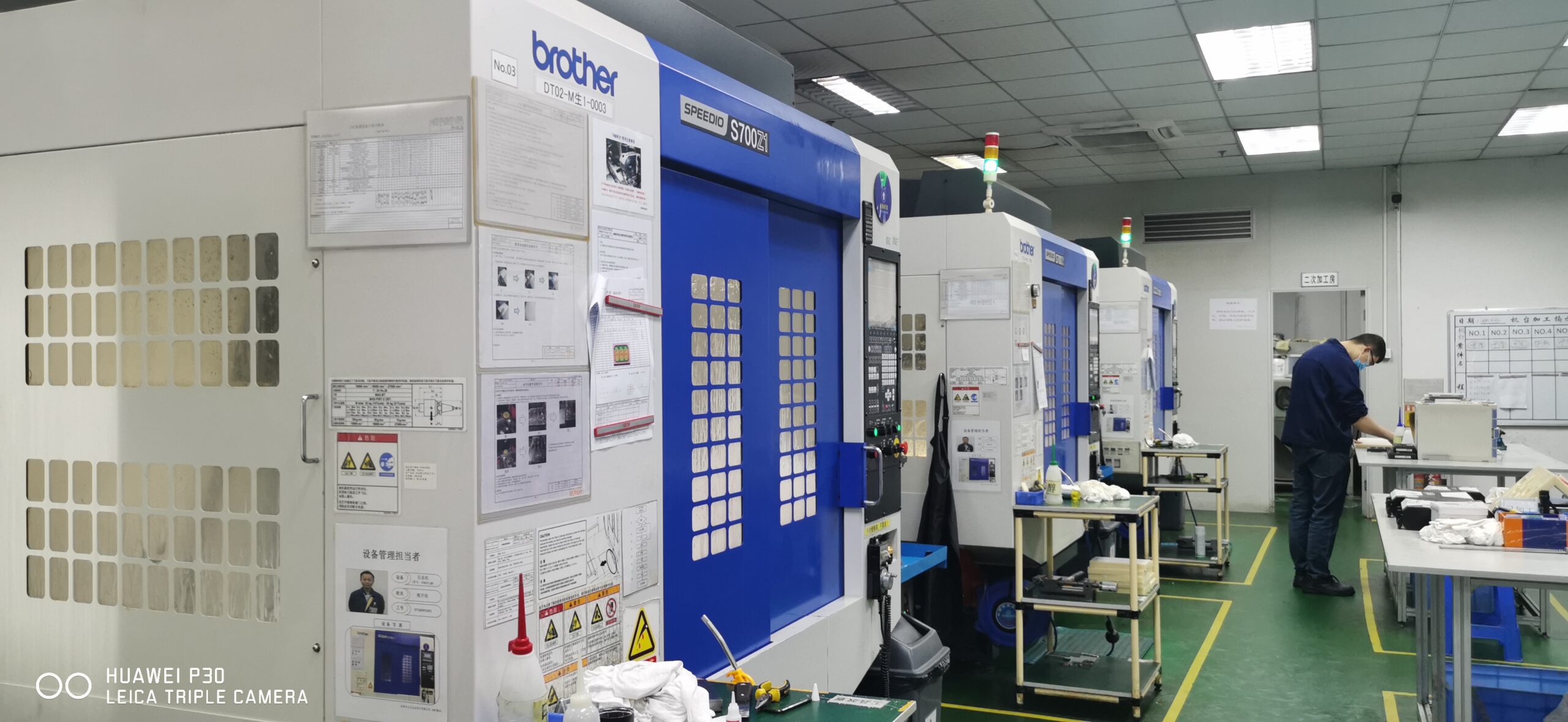
Ensuring top-quality CNC components is a complex task. Curious about the rigorous process that guarantees excellence?
Our 10-step checklist for CNC component quality control involves detailed inspections, material verification, precision machining, surface finish checks, testing, and thorough documentation to ensure high standards.
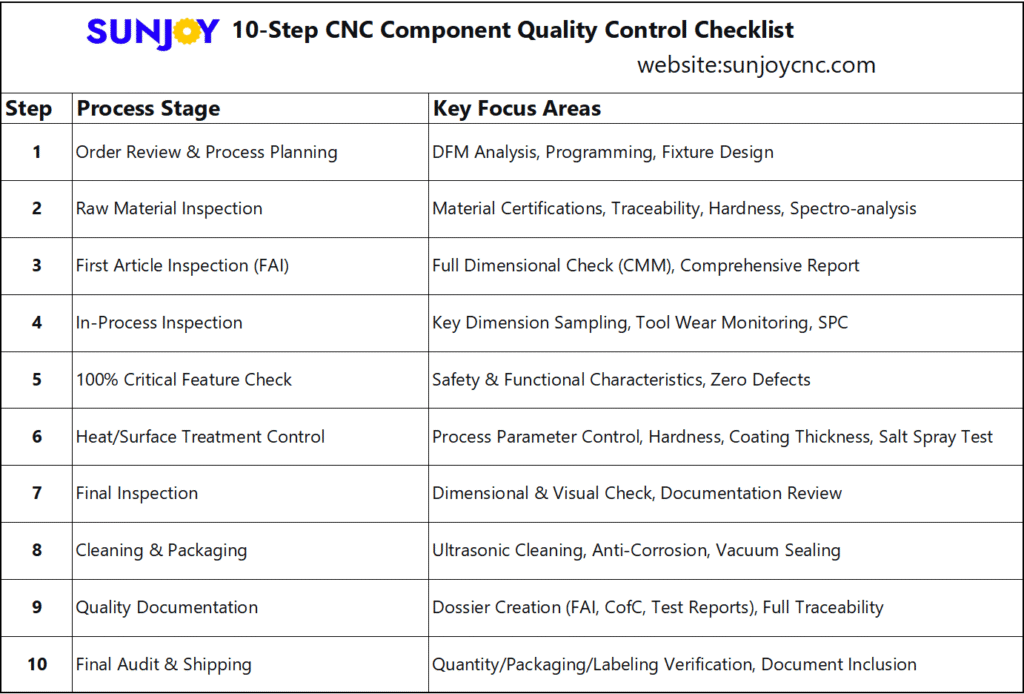
In my career, I’ve learned that adhering to a structured checklist is vital for maintaining consistency and high standards. This approach minimizes errors and maximizes satisfaction.
What Are the Key Steps in Our CNC Quality Control Process?
Quality control involves many steps. What are the essential parts of our checklist?
Our checklist includes material inspection, machine setup verification, precision machining, sample testing, final inspection, and documentation, guaranteeing each CNC component meets strict quality standards.
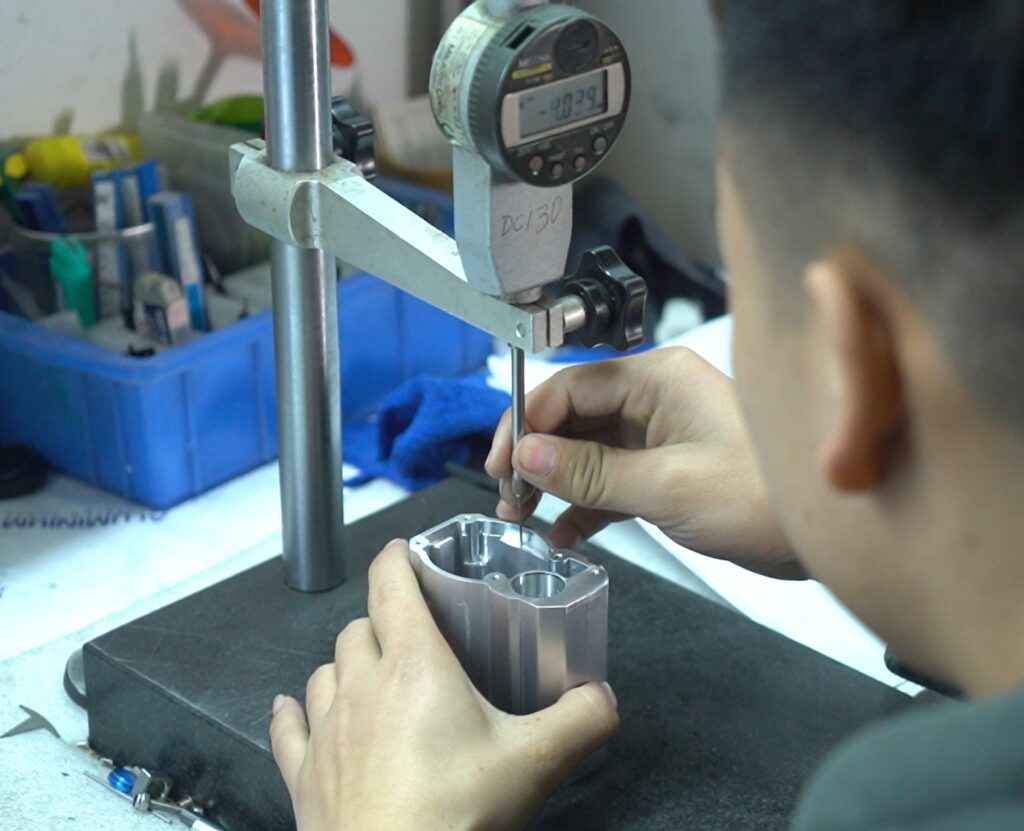
Having followed this checklist closely, I know it ensures every component is perfect from material selection to the final product. This rigorous process reduces errors, guaranteeing the components meet the highest expectations in functionality and reliability.
How Do We Verify Materials for CNC Components?
Quality starts with the right materials. How do we ensure they meet standards?
Material verification involves checking material certificates, assessing supplier credibility, and conducting physical tests to confirm the quality and suitability for specific CNC applications.
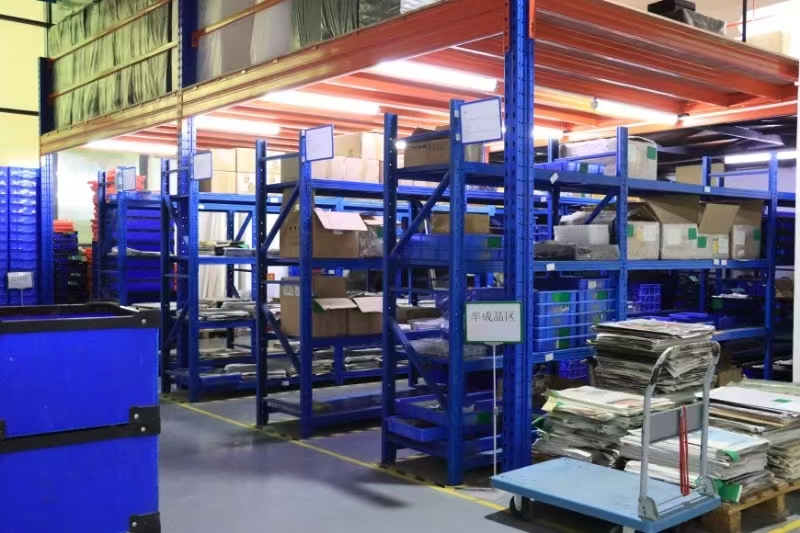
I’ve found that selecting the right materials is foundational. By rigorously verifying them, we ensure that each component not only meets project specifications but also performs reliably under operational conditions. This step prevents future complications and maintains our commitment to quality.
Why Is Machine Setup Verification Crucial in CNC Processing?
A precise setup is key to success. Why is machine setup verification a crucial part of our process?
Machine setup verification ensures that machinery parameters are correctly configured for accurate production, reducing the risk of defects and supporting consistent quality control.
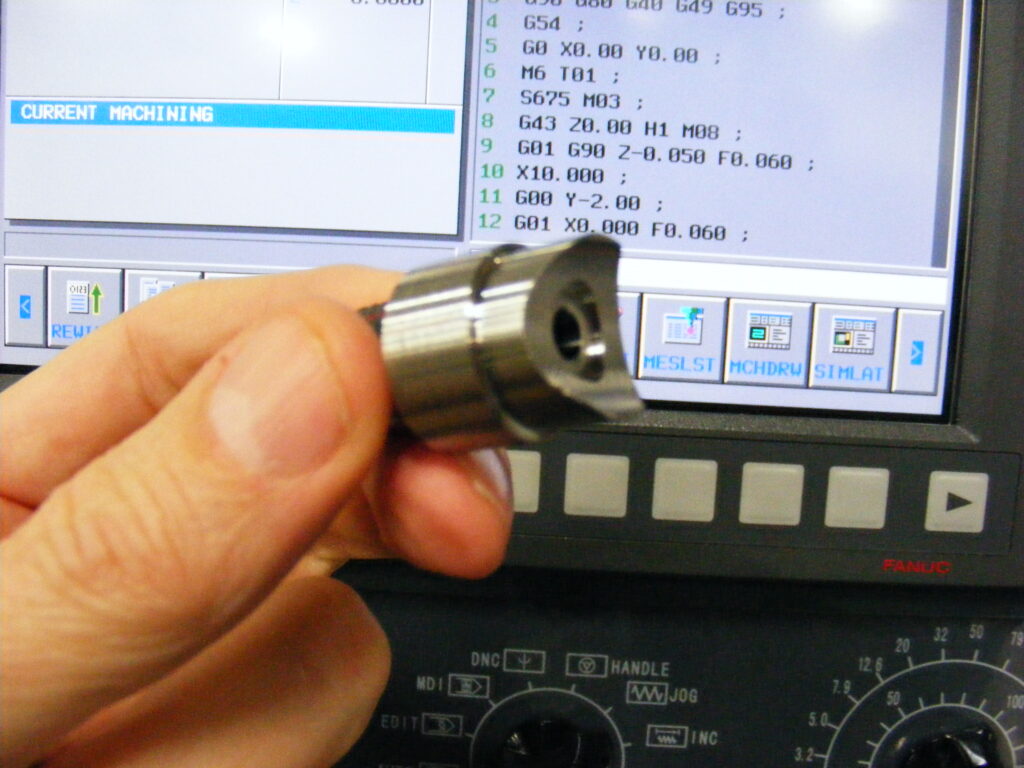
Based on my experience, verifying machine setup minimizes errors early on. Proper configuration leads to accurate machining, which is vital for maintaining component integrity. This step facilitates a seamless production process, ultimately preserving the high standards we strive for.
How Do We Conduct Precision Machining and Inspection?
Precision is at the core of CNC. How is it maintained throughout machining and inspection?
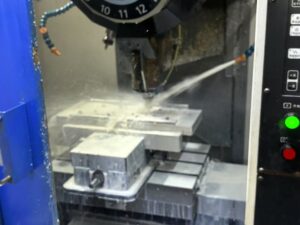
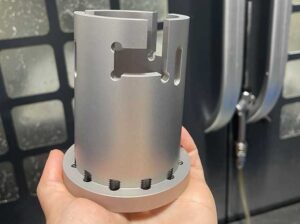
Precision machining ensures components are crafted to exact specifications, while thorough inspections check dimensions and tolerances, validating adherence to design requirements.
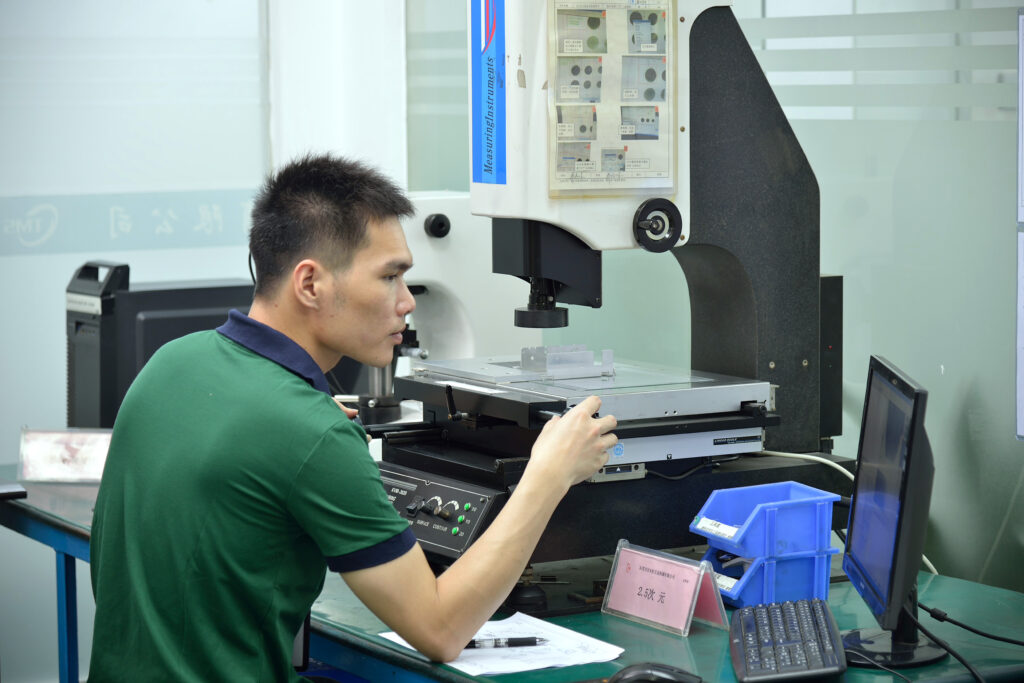
Precision is non-negotiable in CNC work. By focusing on accurate machining and stringent inspections, we guarantee each component's exact conformity to design specifications. Consistency here is key to achieving the flawless performance expected from our products.
Conclusion
Our 10-step checklist ensures every CNC component meets high-quality standards through rigorous verification, precision machining, and thorough inspection.