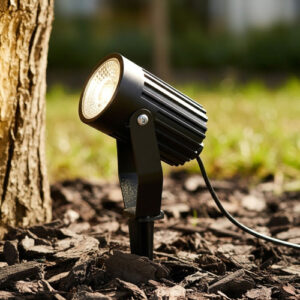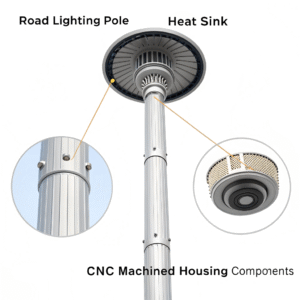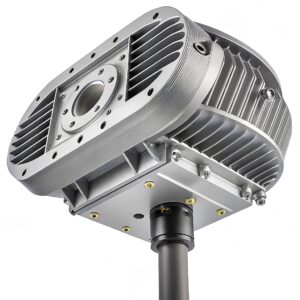

Creating high-end lighting fixtures comes with its challenges. CNC machined components can be the game changer you need.
Using CNC machined components ensures precision, consistency, and quality in manufacturing high-end lighting fixtures. These components allow for detailed designs, improve durability, and streamline production processes.
Crafting exquisite lighting fixtures requires a meticulous approach. Here are five ways CNC machining shines in this domain.
How does CNC machining enhance precision in lighting design?
Achieving intricate designs without flaws is a common stumbling block for manufacturers. Precision is paramount.
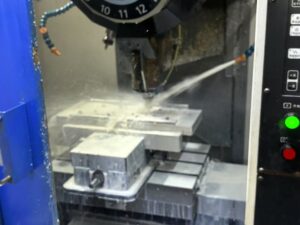
CNC machines offer unparalleled precision, crucial for crafting intricate lighting designs. They ensure exact measurements, reducing material wastage and ensuring each component fits perfectly within the assembly.
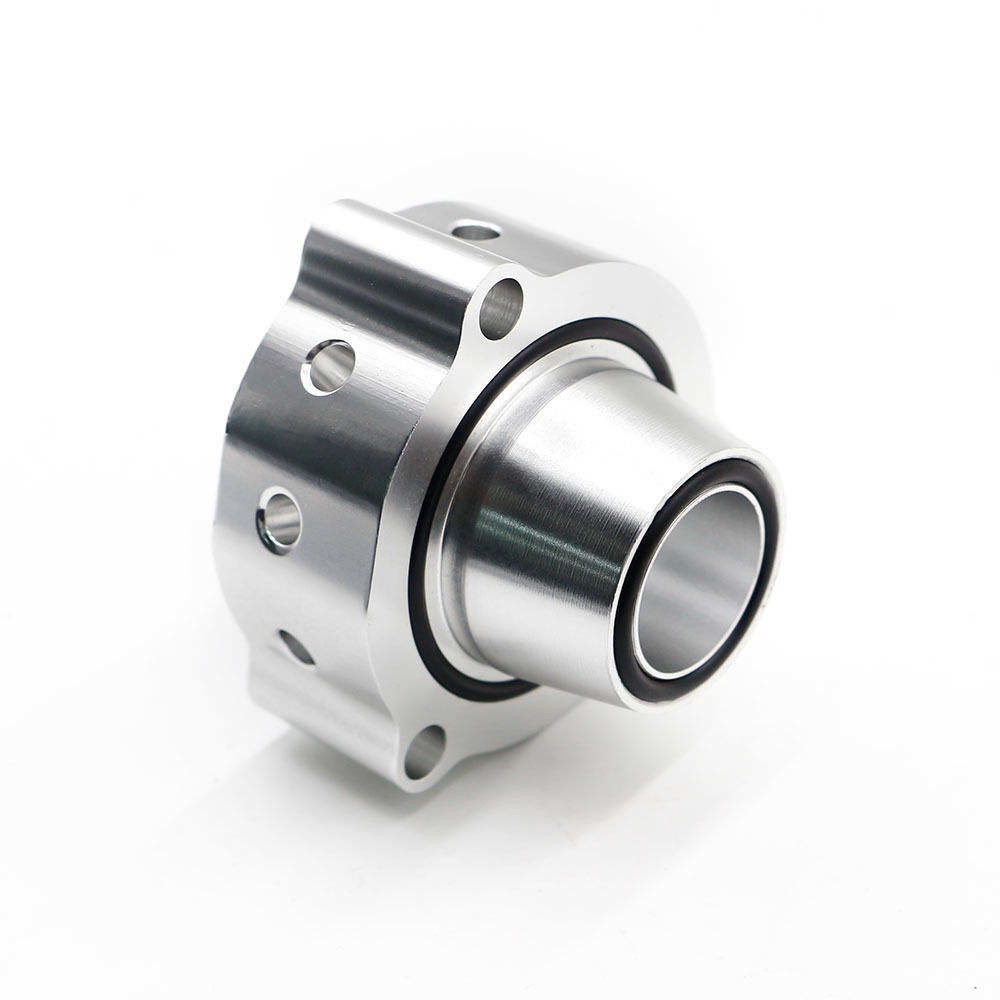
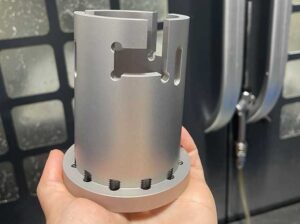
CNC machining works at high speeds using computer-controlled processes. This means even the most complex designs are executed flawlessly. I remember a project where we needed precisely milled components to fit within a snug lighting fixture. Manual methods couldn’t achieve the required consistency, but with CNC, each piece was identical. With detailed programming, machines can repeat intricate patterns flawlessly. This ensures each component matches the design specifications perfectly. For manufacturers, this means fewer errors and more savings. CNC’s precision contributes directly to the fixture’s aesthetic and functional integrity.
Can CNC machining improve the durability of lighting components?
Durability is a major component of any high-end product. We all want long-lasting fixtures.
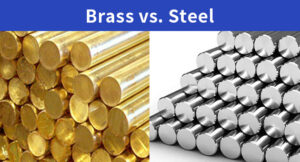
CNC machining enhances the durability of components used in lighting fixtures by ensuring consistent quality and optimal material usage. These machines handle a variety of materials with precision, which maximizes component life.
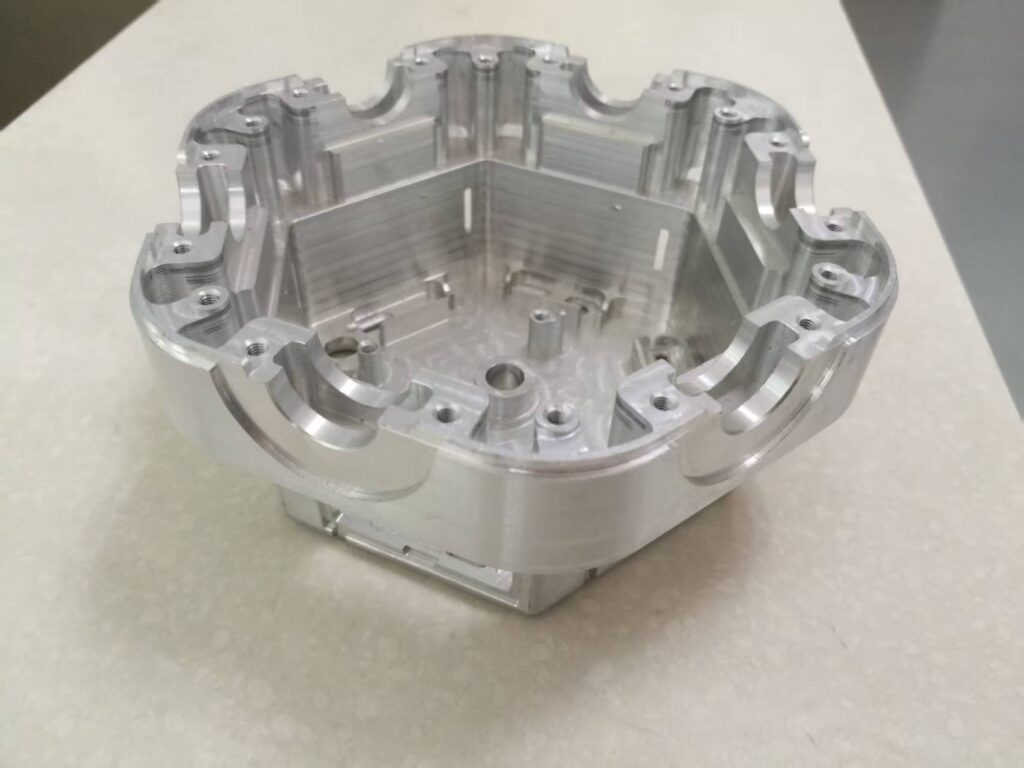
When producing lighting components, material choice and consistency are crucial. CNC machines not only work with diverse materials but do so consistently. This increases each component's lifespan by reducing weak points caused by human error. I have seen cases where replacing a hand-fitted joint with a CNC-machined component doubled the lifespan of a fixture. CNC processes produce smooth and precise cuts. This means joints and connections fit better, reducing stress on the materials, which leads to longer-lasting fixtures. This reliability and consistency are selling points for high-end lighting.
How does CNC machining contribute to design flexibility in lighting fixtures?
It's not just about durability; stylish, flexible designs are also essential. Design often meets constraints, but CNC machining offers solutions.
CNC machining enables design flexibility by accommodating complex shapes and custom designs, critical for modern and innovative lighting fixtures. This flexibility empowers designers to explore creative concepts without the constraints of traditional manufacturing.
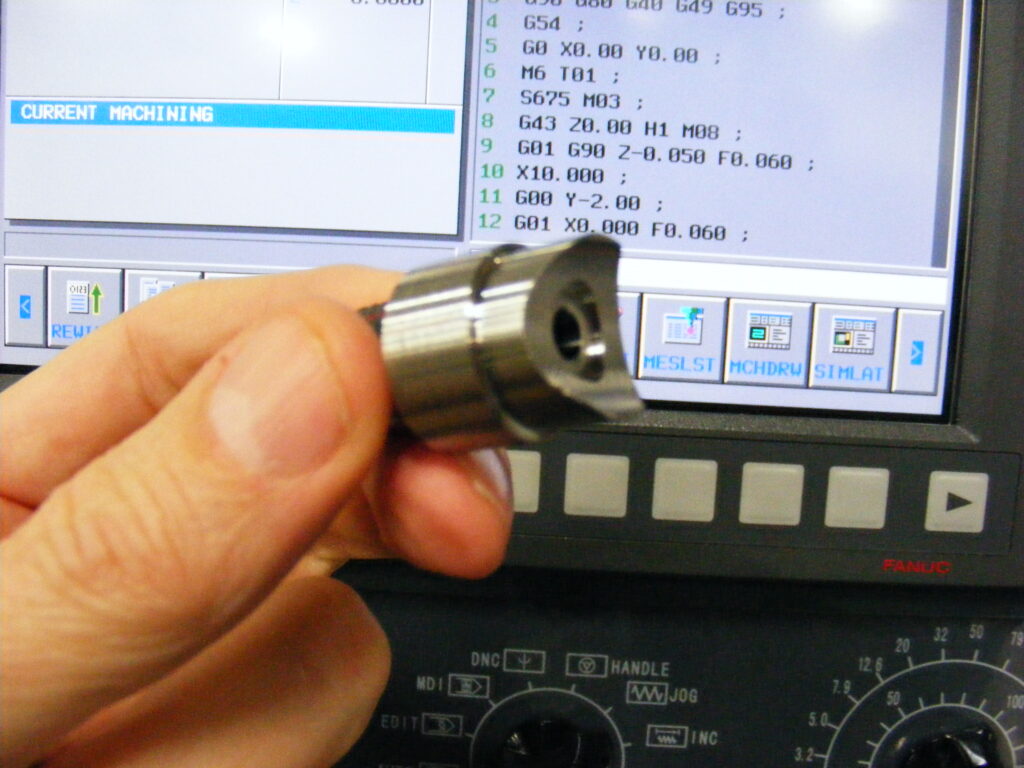
Designers love pushing boundaries. With CNC machines, they can craft complex geometries that were once impossible. During a particular project, the client wanted a unique lighting feature with intricate curves and angles. Traditional methods fell short, but CNC machines crafted the design perfectly. This technology allows designers considerable freedom, letting them explore bolder ideas. Custom designs are easy to replicate, meaning limited editions or bespoke creations are now viable. The possibilities expand for designers and clients alike, offering them more than just functionality – they get art.
What role does CNC machining play in production efficiency?
Efficiency in production impacts cost and delivery timelines. How do CNC machined components help?
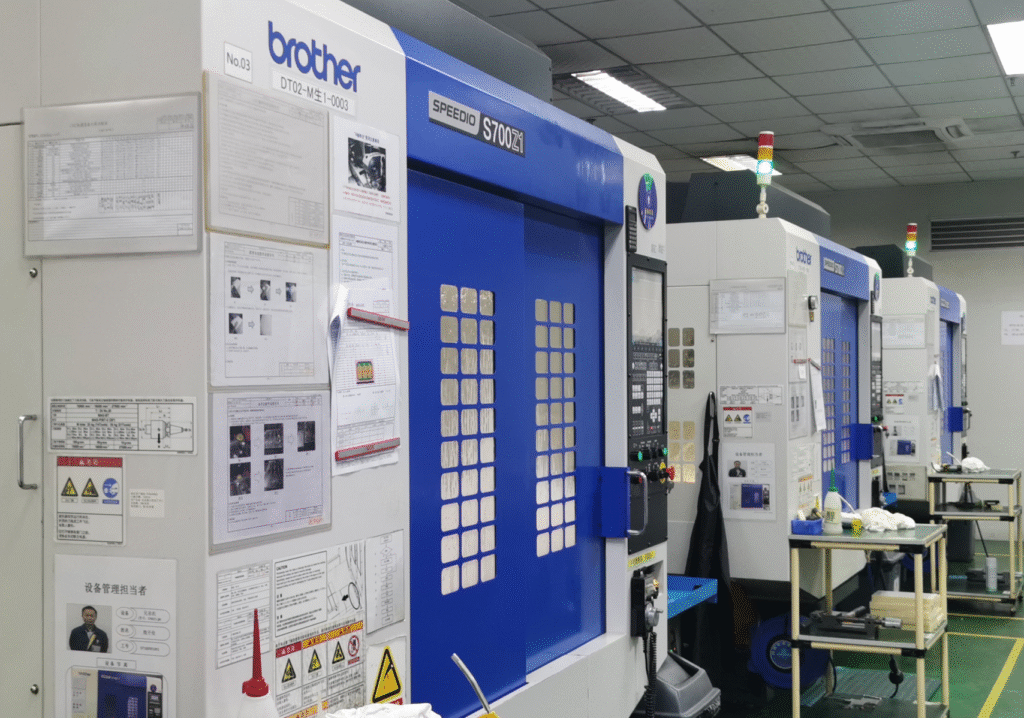
CNC machining streamlines production processes by automating and optimizing them. This automation reduces lead times, increases production rates, and lowers the cost of manufacturing lighting components.
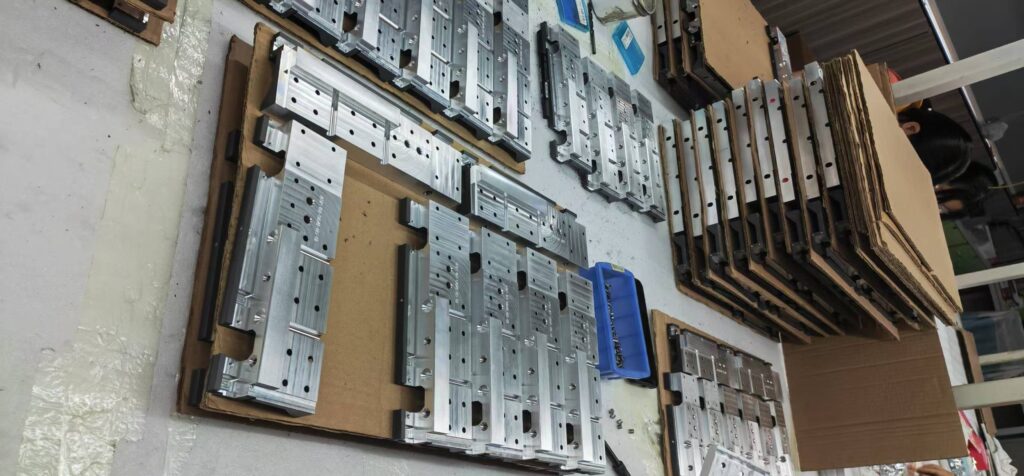
Automation is at the core of CNC machining. Machines handle repetitive tasks with speed and precision, often surpassing manual methods. I recall a project deadline that seemed impossible. With CNC, tasks that took days were reduced to hours. This results in quicker turnarounds and consistent quality. CNC machining eliminates human error, further reducing costs associated with fixing mistakes. Automation also frees up time for creativity and refinement in design, making it an essential tool in high-end lighting manufacturing.
What are the cost implications of using CNC machined components?
Cost is always a consideration. Can CNC machining be cost-effective?
While initial CNC setup costs might be high, the long-term savings through reduced material waste, lower labor costs, and faster production times make it a cost-effective solution for high-end lighting manufacturing.
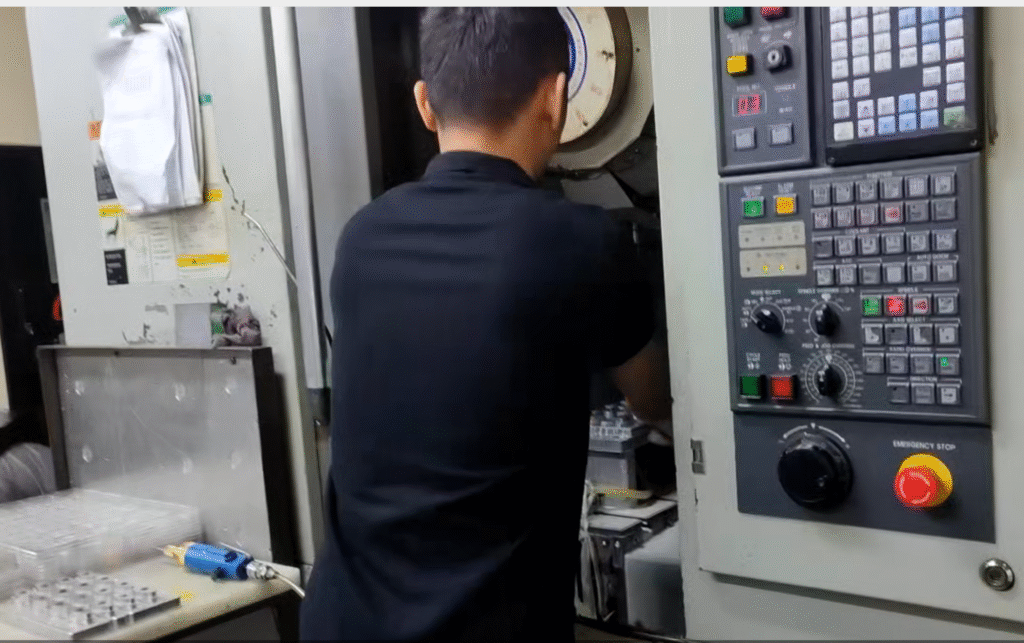
Initially, CNC machining seems expensive. However, the real savings reveal themselves over time. For example, the precision reduces material wastage significantly. Labor costs are lower because one operator can manage multiple machines. I remember a project where traditional methods had high scrap rates, leading to increased costs. With CNC, the reduction in waste alone saved thousands. Faster production also means reduced overhead costs. Over time, these factors translate into improved margins, allowing manufacturers to focus on quality and innovation.
Conclusion
CNC machined components enrich high-end lighting manufacturing by enhancing precision, durability, design flexibility, production efficiency, and cost-effectiveness.