
Surface finishes for CNC metal parts can be complex. The wrong finish may lead to quality issues, but the right choice can enhance appearance and functionality without increasing manufacturing costs.
Surface finishes in CNC machining improve metal components’ corrosion resistance, appearance, and wear. Common finishes include anodizing, polishing, powder coating, and plating. Choosing the right finish depends on the component's application and material.
Understanding surface finishes for metal parts is crucial. They impact not only the aesthetics but also the performance of the end product. Knowing which finish to use keeps the manufacturing process efficient and reduces cost.
Why is anodizing used for aluminum parts?
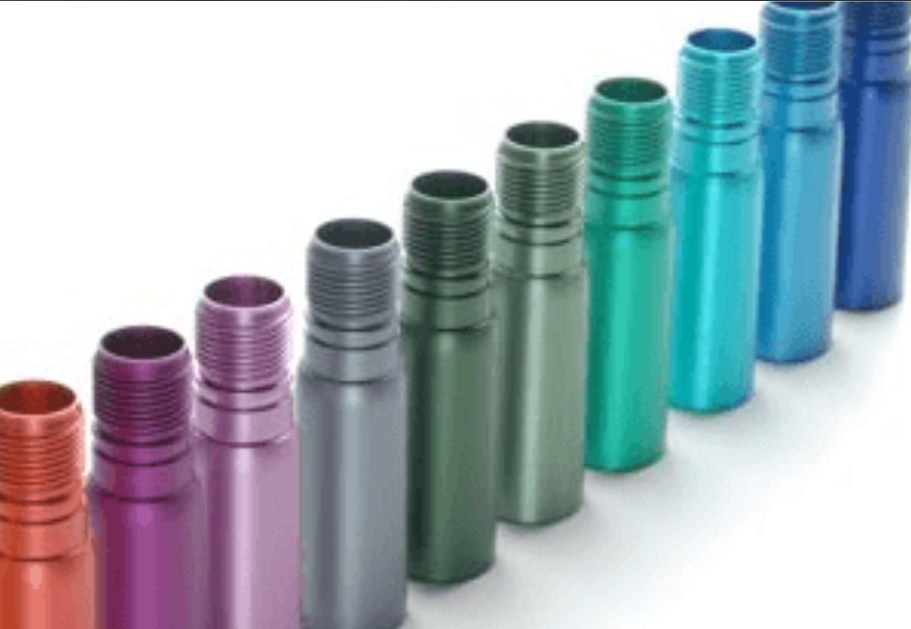
Anodizing aluminum parts prevents corrosion and enhances aesthetics. It’s an electrochemical process that thickens the natural oxide layer, offering durability and color options.
Anodizing increases surface hardness and provides corrosion resistance. It's ideal for protective coatings in aerospace and consumer electronics where aesthetics and durability are key.
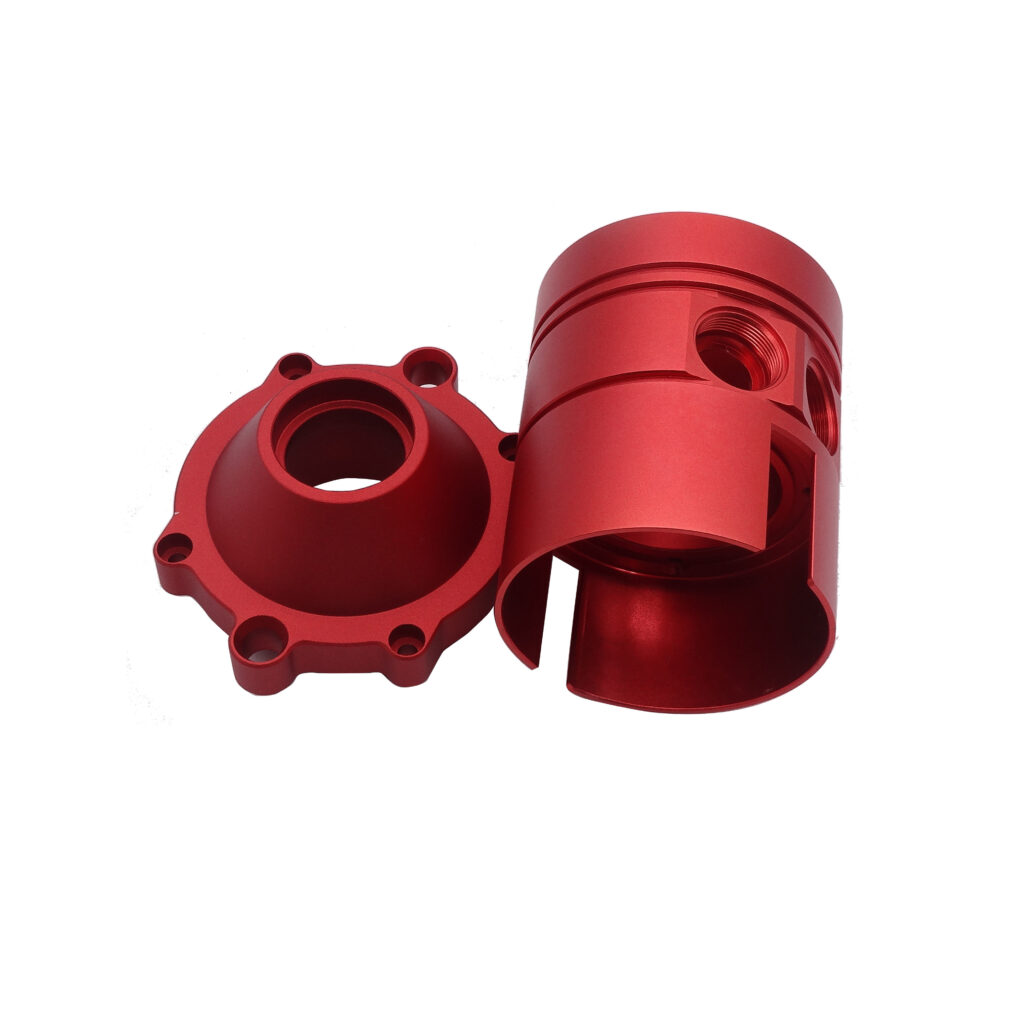
Anodizing is one of the most common surface finishes for aluminum components. Its key benefits include increased corrosion resistance, durability, and a variety of color options. This finish, achieved through anodic oxidation, thickens the natural oxide layer on aluminum surfaces. Anodizing involves immersing the parts in an acid electrolyte bath, with electric current passed through, creating an oxide coating. Depending on the requirements, anodizing can range from clear to vibrant colors, enhancing both appearance and longevity of the parts. In aerospace and electronics, anodizing serves a dual purpose—protecting the metal from environmental factors and giving designers a wide color palette to work with.
How does polishing affect metal parts?
Polishing enhances metal parts' appearance and ensures a smooth surface. It's essential in industries where imperfections can affect functionality, like medical devices and high-end consumer products.
Polishing removes minor surface imperfections and improves reflectivity. It's often done mechanically with abrasives for a smooth, glossy finish.
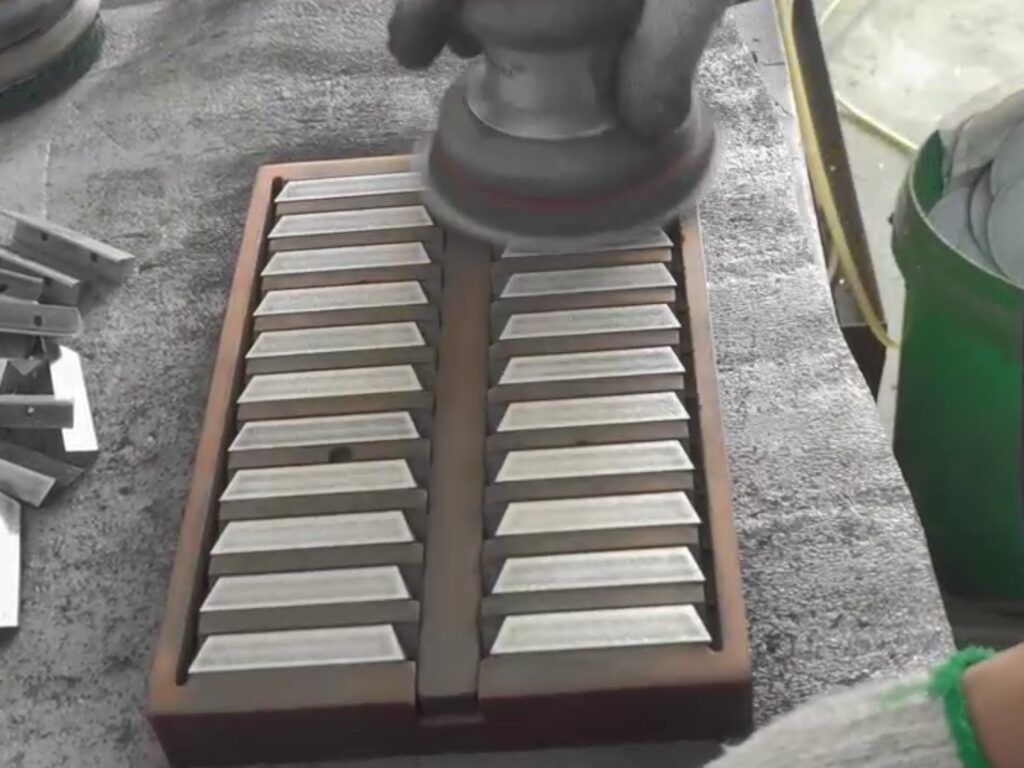
Polishing is a mechanical process that enhances metal parts by removing surface imperfections and improving their reflectivity. Utilized in industries like medical devices and consumer electronics, polishing ensures components are smooth and visually appealing. This finish involves abrasives or buffing machines to create a glossy, mirror-like surface. Polishing can be done in several stages, starting with coarser abrasives and moving to finer ones until the desired smoothness is achieved. For products where aesthetics are paramount or where surface defects could affect performance, polishing is an indispensable step. It ensures that components not only look attractive but also meet stringent industry standards.
What are the benefits of powder coating?
Powder coating offers durability and environmental benefits. Applied as dry powder, it provides even coating and eliminates volatile organic compounds found in wet paint.
Powder coating is durable and environmentally friendly. It allows for a uniform finish without harmful emissions, making it ideal for outdoor applications.
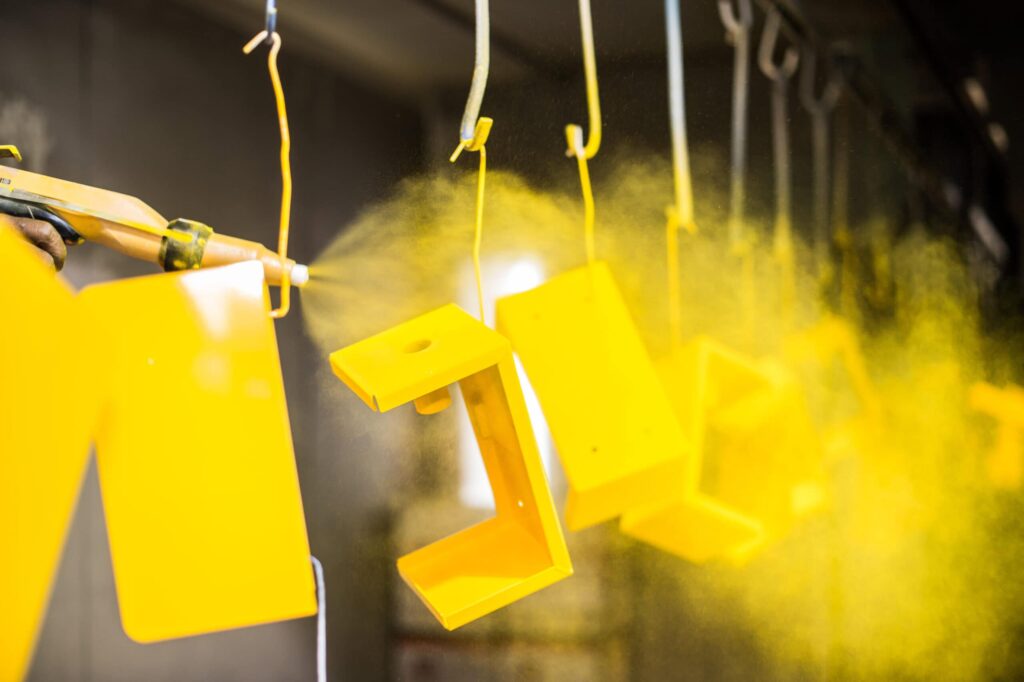
Powder coating is a process where dry powder paint is electrostatically applied to metal parts. This finish offers robust durability and is environmentally friendly since it avoids volatile organic compounds (VOCs) associated with liquid paints. Powder coating is ideal for components exposed to harsh weather conditions due to its superior resistance to chipping, scratching, and fading. During the application, parts are electrically charged, allowing the powder to stick uniformly. Once coated, the parts are cured in an oven, resulting in a smooth, even finish. This method is popular for outdoor furniture, automotive parts, and appliances because it combines aesthetic flexibility with environmental consciousness, supporting sustainable manufacturing practices.
Why is plating used in manufacturing?
Plating enhances metal surfaces' durability and corrosion resistance. Diverse materials like nickel, chromium, and gold can be used, depending on the application and necessary properties.
Plating is a metal surface treatment providing corrosion resistance and smoothness. It’s crucial for automotive and electronics industries, requiring precise and durable components.
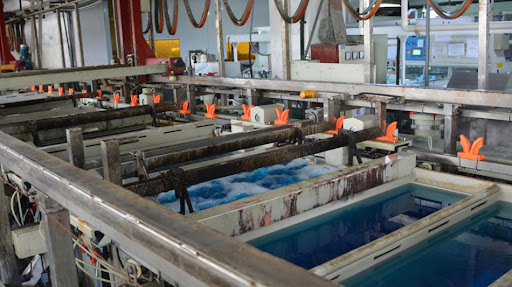
Plating involves covering a metal part with a thin layer of another metal. This process, used for enhancing durability and aesthetic quality, provides corrosion resistance and improved electrical conductivity. Common materials for plating include nickel, chromium, and gold, each suitable for different applications in industries like automotive and electronics. The electroplating method is frequently used; it involves immersing parts in a plating solution while an electric current facilitates metal deposition. This finish not only extends the life of the component but also ensures it meets specific aesthetic or functional requirements. Plating is essential in manufacturing settings where product longevity and reliability are non-negotiable.
Conclusion
Understanding and selecting the right surface finish enhances CNC metal parts’ durability, appearance, and function. It's crucial in manufacturing for efficiency and quality.