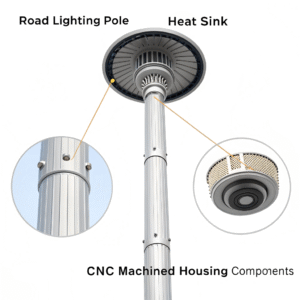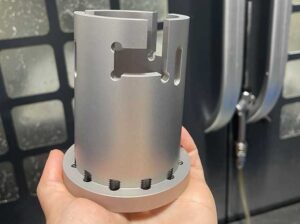
Cutting-edge smart lighting transforms spaces, yet few realize the crucial role CNC parts play. These precision components ensure seamless adjustability, making your smart lighting experience flawless.
Smart lighting adjustability hinges on precision-manufactured CNC parts. These components allow lights to move and adapt effortlessly, enhancing energy efficiency and user convenience.
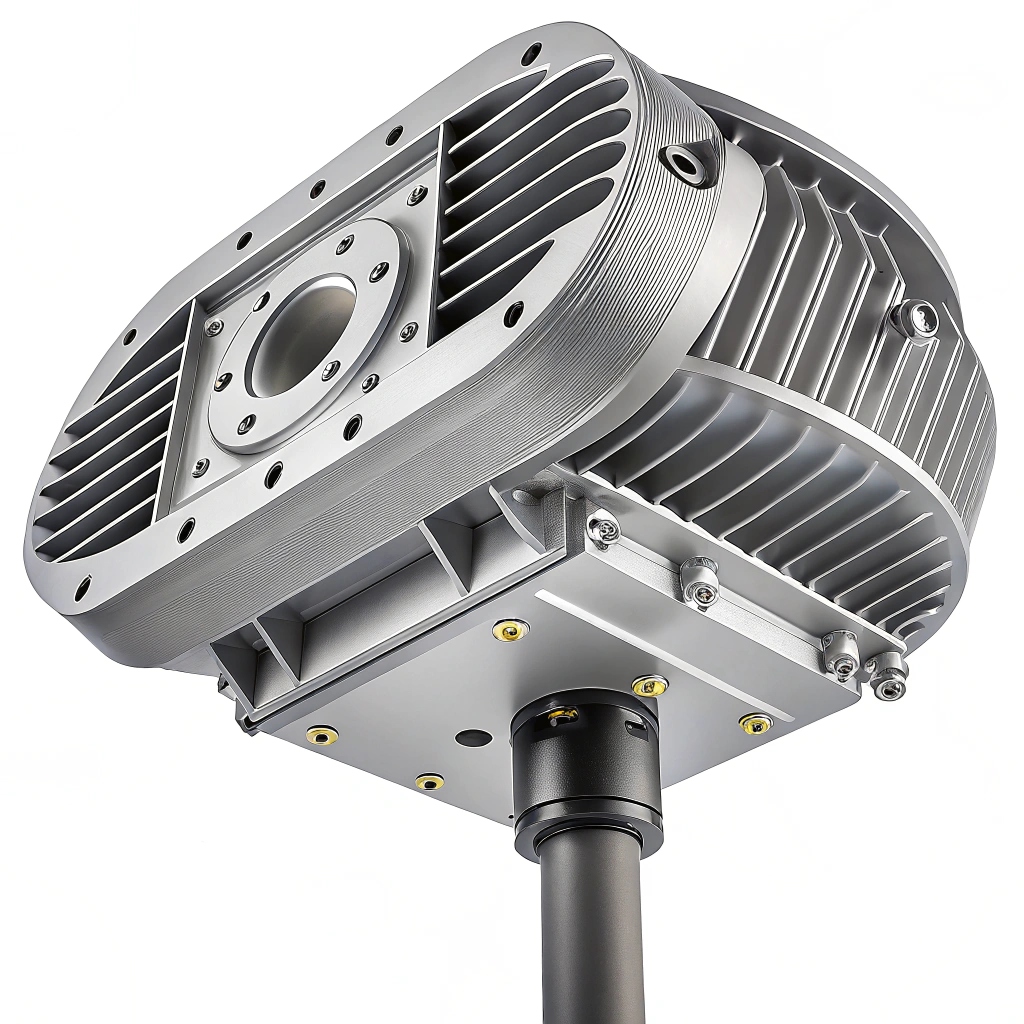
Understanding CNC machining will deepen your appreciation. Join me as I explain its pivotal role in smart lighting technology.
What is CNC Machining?
In the world of manufacturing, CNC machining might seem complex. It involves automated tools creating precise components, crucial for many industries.
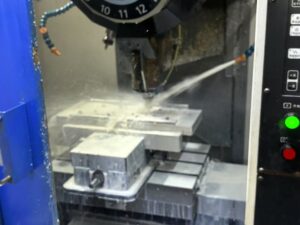
CNC machining uses computer programs to control tools, shaping materials like metal. This precision is vital for parts that require exact measurements, such as in smart lighting systems.
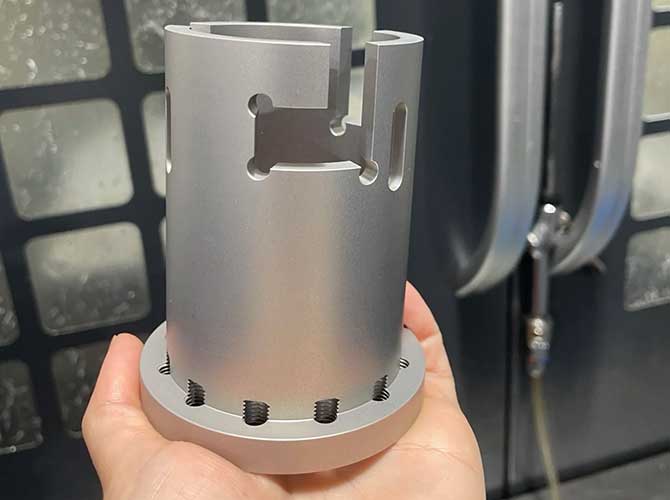
CNC, or Computer Numerical Control, revolutionizes manufacturing by ensuring high precision. For smart lighting, it means creating parts with exact specifications. Each component fits perfectly, allowing seamless adjustability. CNC machining helps eliminate human error, reducing waste and ensuring quality.
The process involves several steps. First, a digital model of the part is created. Then, CNC machines use this model to guide tools, cutting and shaping the material. The precision offered by CNC machining is unmatched, helping produce components that maintain smart lighting's adjustability and flexibility.
How do CNC Parts Enhance Lighting Adjustability?
Imagine adjusting your lights with ease, thanks to CNC parts. These components make such effortless control possible.
CNC parts, crafted with precision, allow lights to pivot, rotate, and tilt. This adjustability provides users with customizable lighting experiences tailored to their needs.
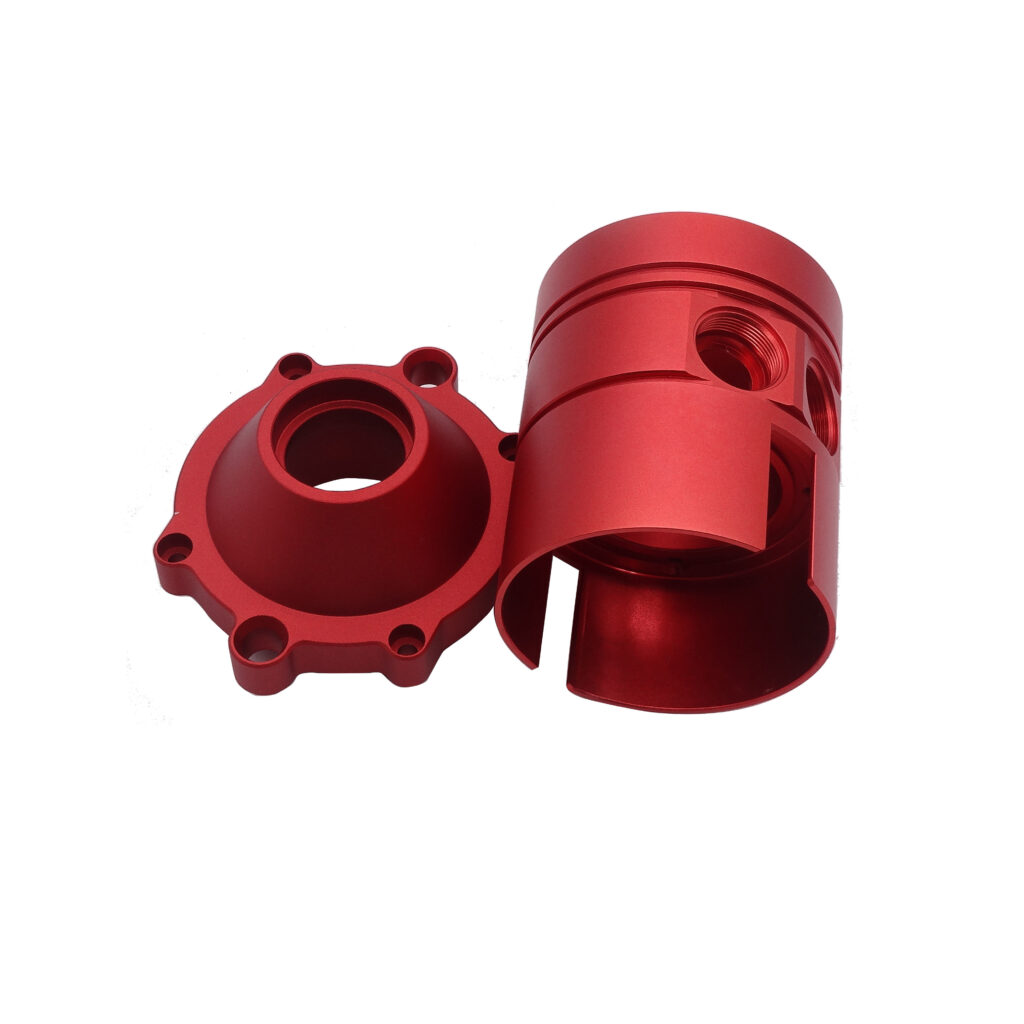
CNC parts function as the movable joints in smart lighting systems. They provide the agility needed to adjust direction and intensity. This adjustability contributes to energy savings and convenience, allowing users to tailor lighting according to time of day or activity.
For instance, components like pivots and mounts are machined to support various movements. They withstand wear and tear while maintaining smooth operation. This makes smart lighting systems more robust, extending their lifespan and reducing the need for replacements.
How Are Materials for CNC Machining Chosen?
Selecting materials for CNC machining isn't random. It requires careful consideration to meet functional and aesthetic needs.
Materials like aluminum or stainless steel are favored in CNC machining for their durability and versatility. They contribute to the longevity and performance of smart lighting systems.
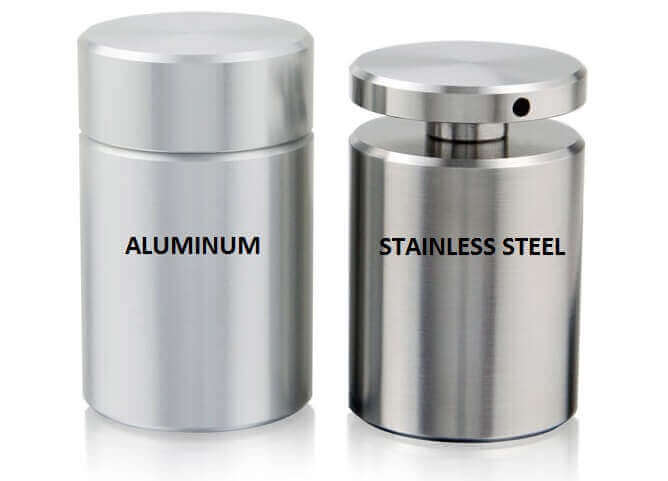
Criteria for selecting materials include strength, weight, cost, and finish. For smart lighting, materials should be lightweight yet robust to support movement. Aluminum is often chosen for its strength-to-weight ratio, while stainless steel offers corrosion resistance.
Surface finish is another important aspect. A smooth finish not only enhances aesthetics but also ensures sensitive components function without friction. Choosing the right material impacts the overall effectiveness and appearance of smart lighting systems.
The Future of CNC Parts in Smart Lighting?
Smart lighting is evolving, and CNC machining is at the forefront of this innovation. With advancing technology, the possibilities are expanding.
Future innovations in CNC technology will continue to optimize smart lighting systems. Improved precision and new materials will enable more complex designs and functions.

As technology advances, CNC machining is keeping pace. Future developments may include even more precise tools and new materials. For smart lighting, this means components that are lighter, stronger, and more versatile, supporting smarter functionalities and advanced features.
Imagine sensors integrated with CNC parts for adaptive lighting that responds to the environment. Such innovations not only enhance user experience but also contribute to energy conservation. The continued collaboration between CNC technology and smart lighting shows promise for a smarter, more sustainable future.
Conclusion
CNC parts are key in making smart lighting flexible and efficient. Their precision contributes to the seamless performance and adaptability of modern lighting systems.