
5G technology is transforming communication, but how do CNC-machined components help?
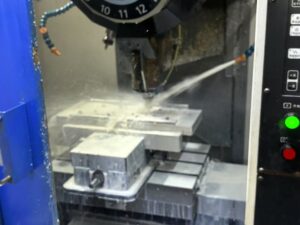
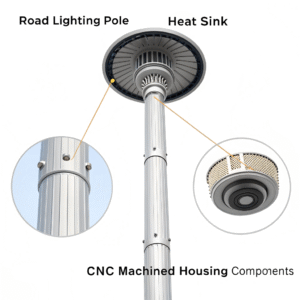
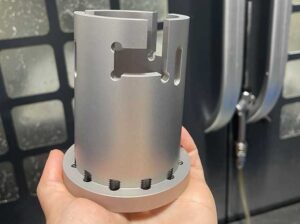
CNC-machined waveguides and antenna components are vital in 5G networks, providing precision and efficiency by directing radio waves with minimal loss, ensuring seamless connectivity.
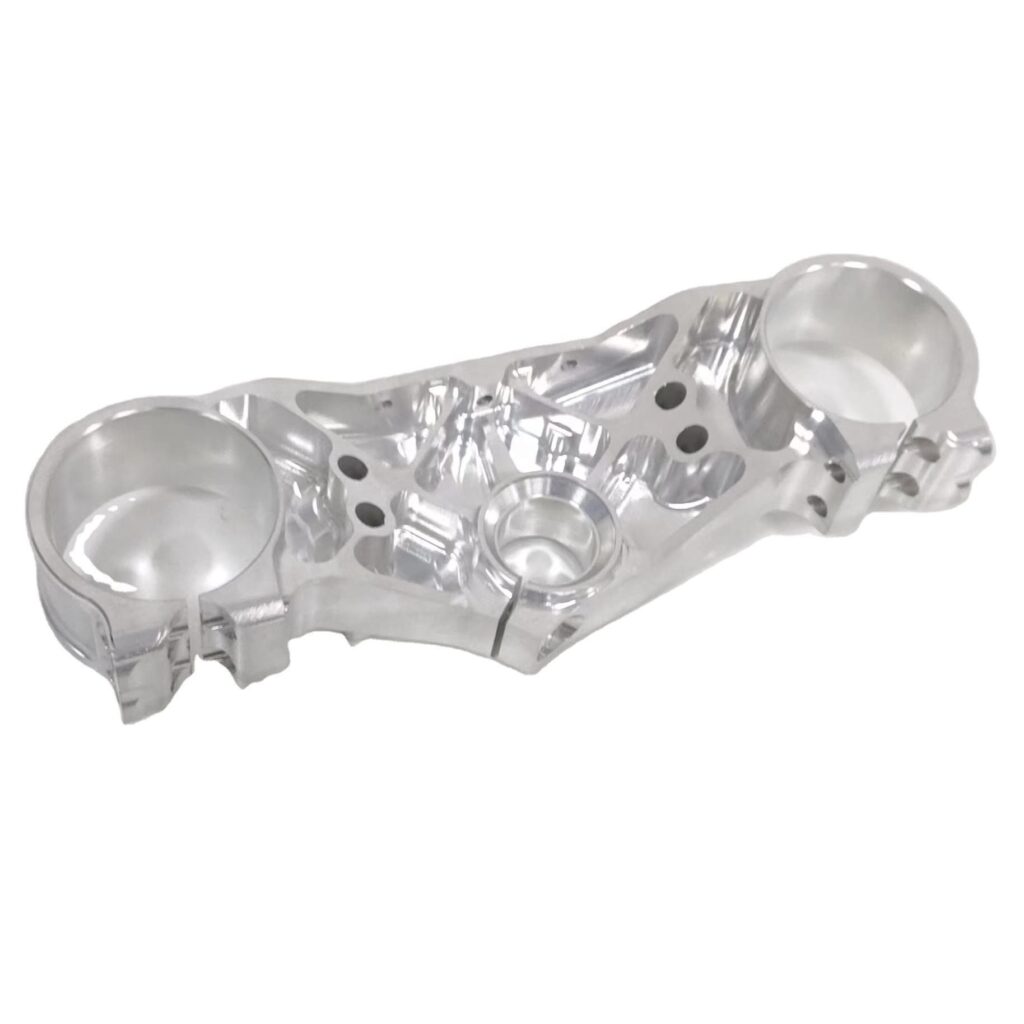
With 5G rolling out, understanding its infrastructure is crucial. CNC-machining ensures that components like waveguides and antennas meet high standards for effective signal transmission.
Why are CNC-Machined Waveguides Essential for 5G?
The transition to 5G isn't just about speed. It’s about reliability and coverage.
CNC-machined waveguides precisely direct and channel electromagnetic waves within 5G systems, minimizing signal degradation and providing consistency crucial for enhanced network performance.
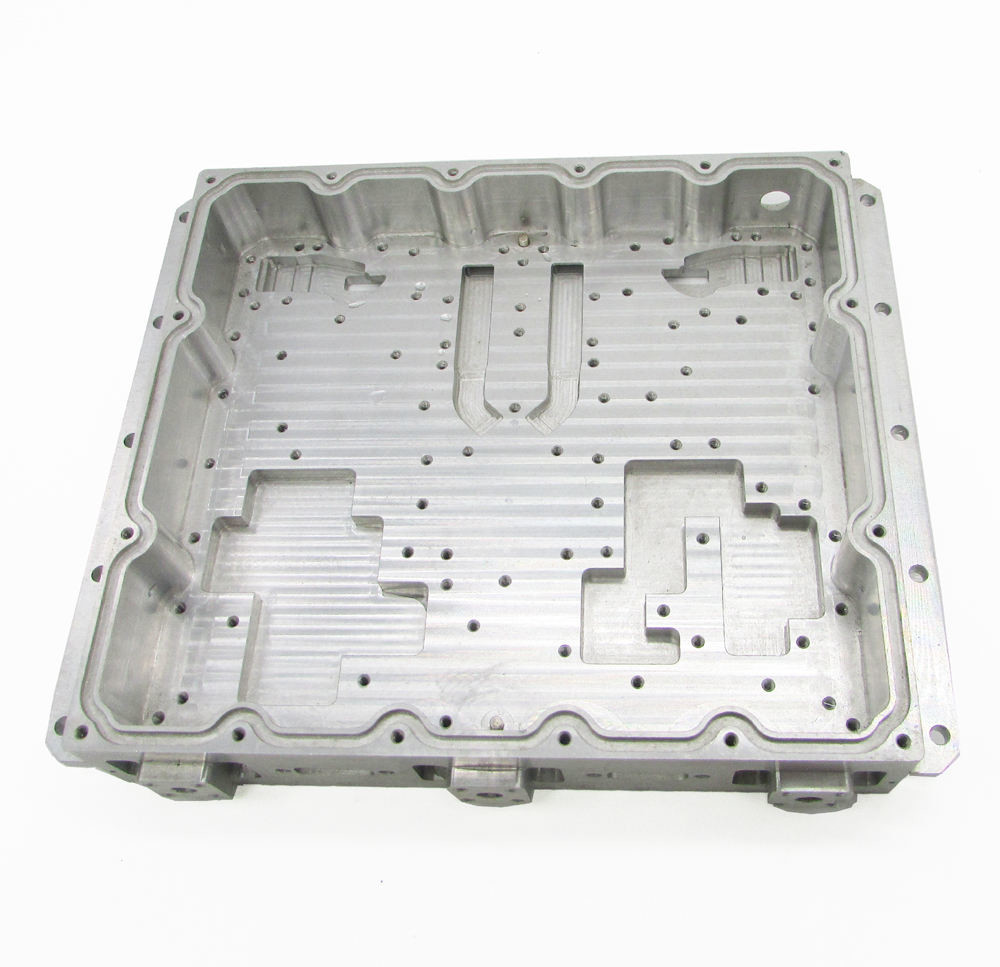
Waveguides work by confining and directing radio frequencies along set paths within devices. CNC machining allows these components to maintain exact dimensions, vital for preventing signal loss. Precision ensures signals travel efficiently, which is necessary to unlock 5G’s capabilities. Unlike previous networks, 5G uses higher frequency bands. This creates a need for precise engineering.
Let's break it down: beyond material choice, factors like shape and surface finish are pivotal. A smooth finish minimizes interference. Materials often include aluminum or copper, chosen for conductive properties. CNC’s accuracy means each guide meets a strict spec, reducing errors that could affect signal quality.
How Do CNC-Machined Antenna Components Enhance 5G Networks?
Antenna components must be precise and efficient. Why is CNC machining key?
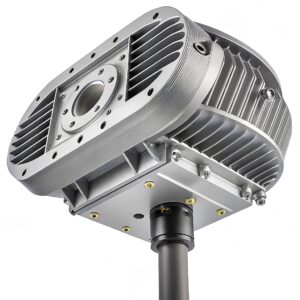
CNC machining helps create antenna components that offer exact dimensions and high repeatability, which is vital for optimal 5G connectivity.
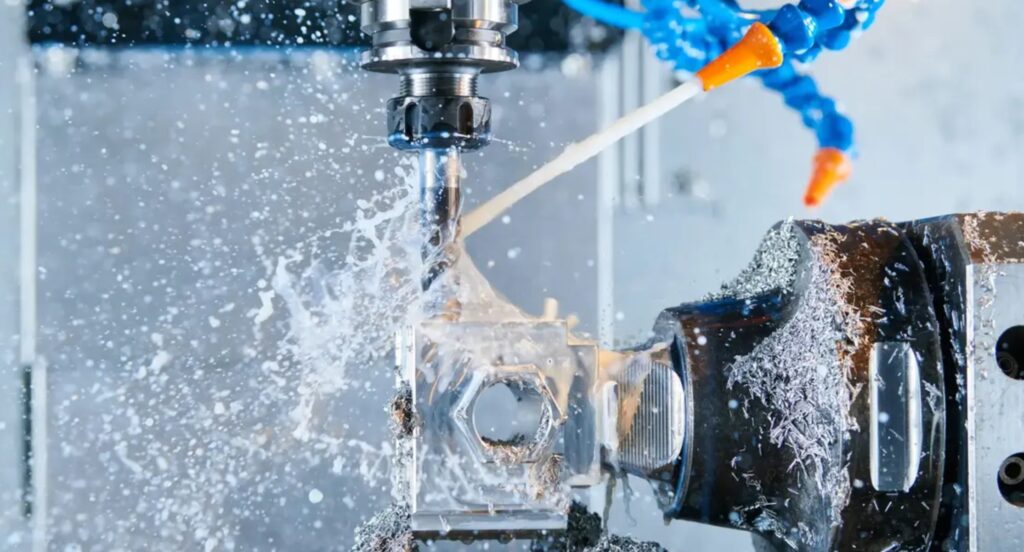
Antennas convert electrical signals into electromagnetic waves and vice versa. In 5G, they operate at millimeter waves, requiring exact component structures to work effectively. CNC machining guarantees the necessary precision and consistency. This repeatability is crucial since even minor deviations can impact performance.
Let's consider component design. Enhanced 5G antennas often need varied shapes to boost signal reception. CNC machining allows for this diversity and keeps production scalable. Materials need to handle high frequencies - aluminum and copper are favorites. The CNC’s precision ensures each piece supports the larger network infrastructure.
Conclusion
CNC-machined waveguides and antenna components are crucial in 5G, providing precision that enhances connectivity and efficiency.