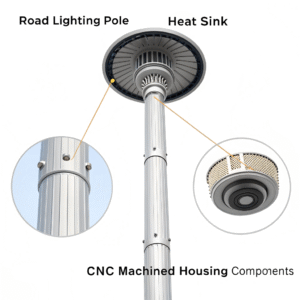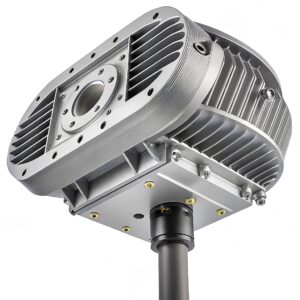

The heat sink is a crucial element that can extend the lifespan of LEDs. Without it, performance declines and failure risks increase.
CNC machined heat sinks play a vital role in LED longevity by efficiently dissipating heat, maintaining LED performance, and enhancing reliability over time.
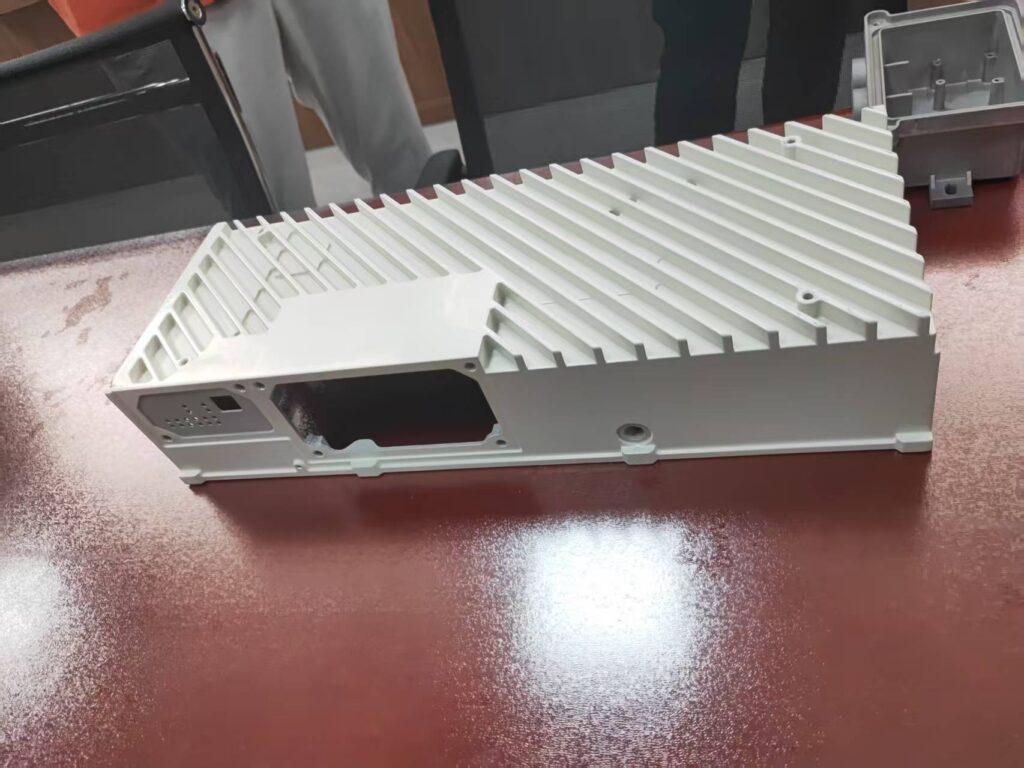
Understanding how CNC machining enhances the function and design of heat sinks can lead to significant improvements in efficiency and LED life.
What Makes CNC Machined Heat Sinks Essential for LEDs?
LEDs generate heat, and improper management can drastically shorten their lifespan. CNC machined heat sinks improve control over heat dissipation.
CNC machined heat sinks are precision-engineered to provide consistent thermal management, ensuring LEDs remain within a safe operating temperature range for optimal performance.
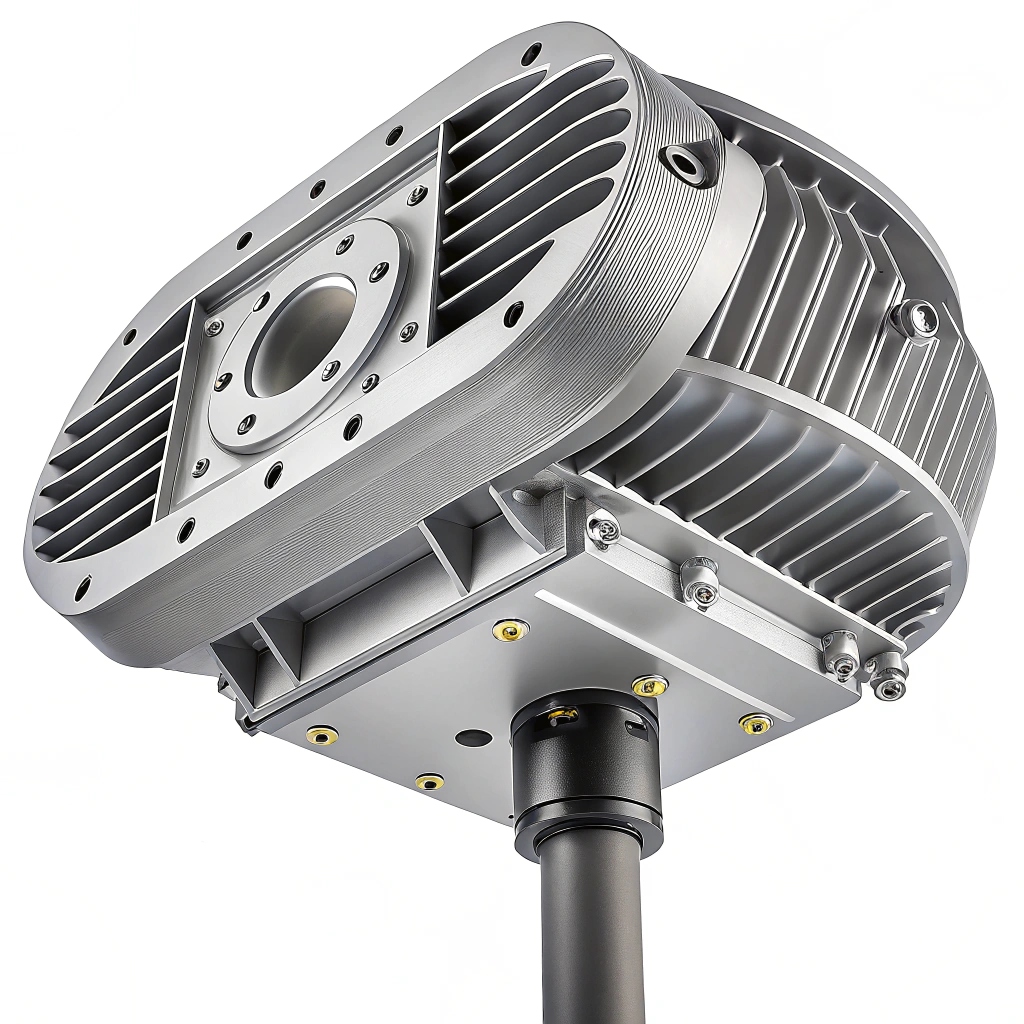
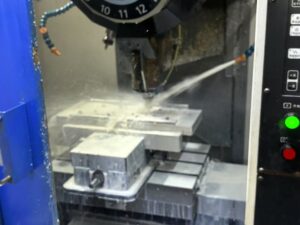
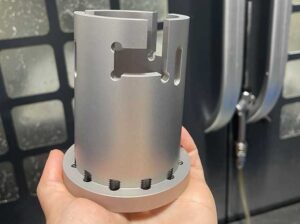
By using CNC machining, manufacturers can achieve the precise geometry needed for effective heat dissipation. This precision reduces thermal resistance, allowing heat to escape efficiently. Material selection is vital; aluminum is often used because it's lightweight with excellent thermal conductivity. CNC processes ensure high-quality finishes that enhance heat transfer. This technology helps ensure consistent performance across each unit, which can significantly extend LED lifespan.
Why is Precision Important in Heat Sink Design?
Precision in heat sink design ensures efficient heat dissipation, reducing the risk of overheating and extending the life of the LED.
Precision is crucial as it guarantees optimal contact with the LED, minimizing thermal resistance and enhancing the overall cooling process.
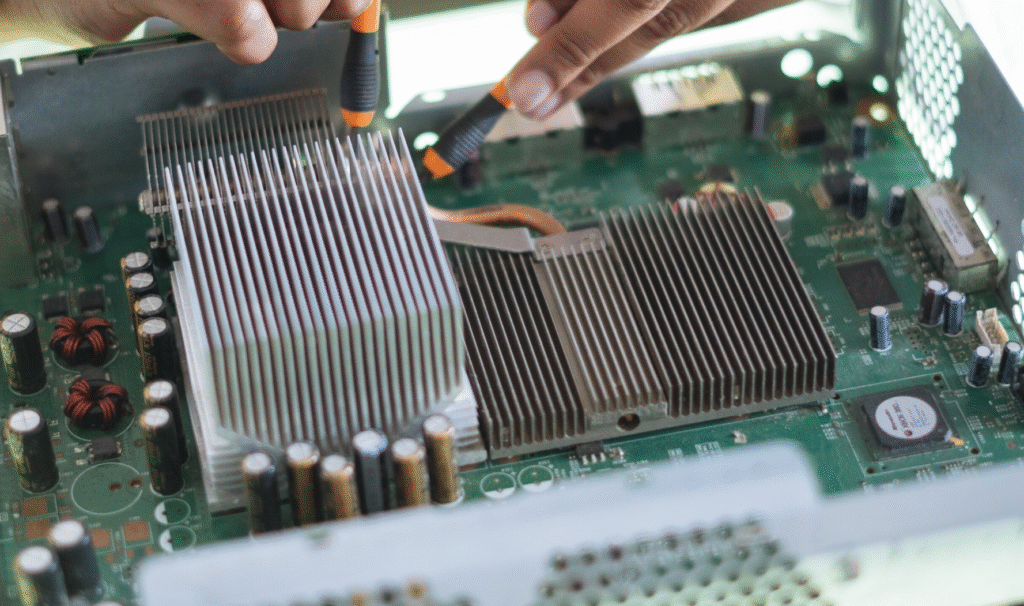
In the context of heat sinks, precision affects how well the sink interfaces with the LED. An inaccurately machined sink can create gaps, leading to uneven heat distribution and potential hotspots. These hotspots can damage LEDs over time. CNC machining allows for exact dimensions, ensuring seamless contact between components. This precision not only maximizes heat transfer efficiency but also reduces energy consumption, promoting sustainability and cost-effectiveness in production.
How Does Material Selection Impact LED Heat Sink Performance?
The choice of material directly influences the thermal efficiency and cost-effectiveness of LED heat sinks.
Material selection determines the heat sink's ability to conduct heat, impacting both the performance and longevity of LEDs.
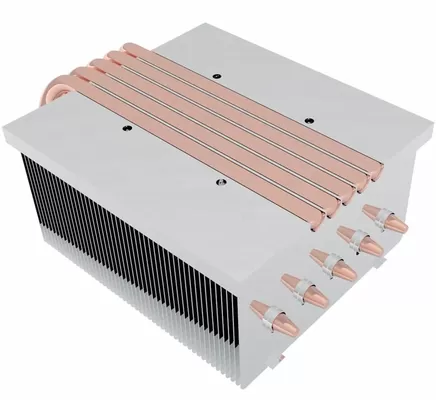
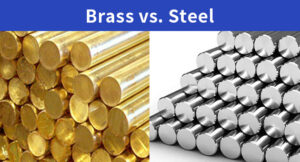
Different materials have varying thermal conductivities. Aluminum is popular due to its balance of weight, cost, and thermal properties. Copper, while offering higher thermal conductivity, is heavier and costlier. Choosing the right material depends on the application's specific thermal requirements and budget constraints. CNC machining accommodates different materials, allowing for tailored solutions that meet precise design specifications. By selecting the appropriate material, manufacturers can produce heat sinks that offer optimal thermal performance and value.
Can CNC Machined Heat Sinks Lead to Cost Savings?
CNC machining, although initially more costly, can lead to long-term savings in LED manufacturing and operation.
Cost savings arise from reduced material waste, increased production efficiency, and longer-lasting products.
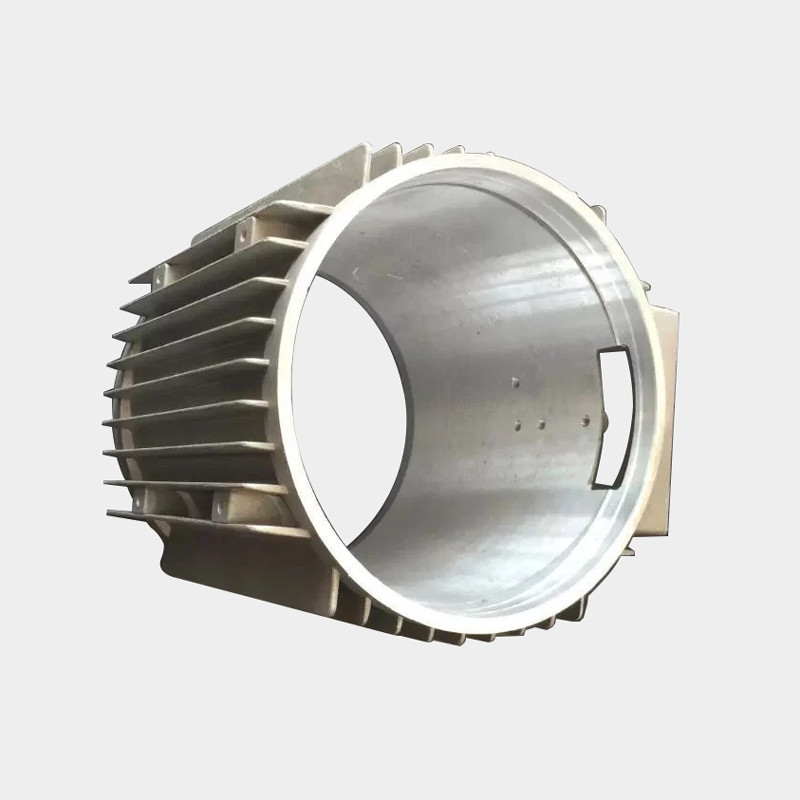
CNC machining enables precise material usage, minimizing waste and reducing overall material costs. It streamlines production by allowing rapid scaling without sacrificing quality. The enhanced precision reduces defects and returns, leading to fewer recalls and warranty claims. Moreover, by extending LED lifespan through better heat management, fewer replacements are needed, cutting operational costs. While upfront investment in CNC machinery can be significant, these long-term efficiencies and cost reductions offer substantial savings.
Conclusion
CNC machined heat sinks dramatically improve LED performance and lifespan through precision and effective heat management, proving essential in modern engineering.