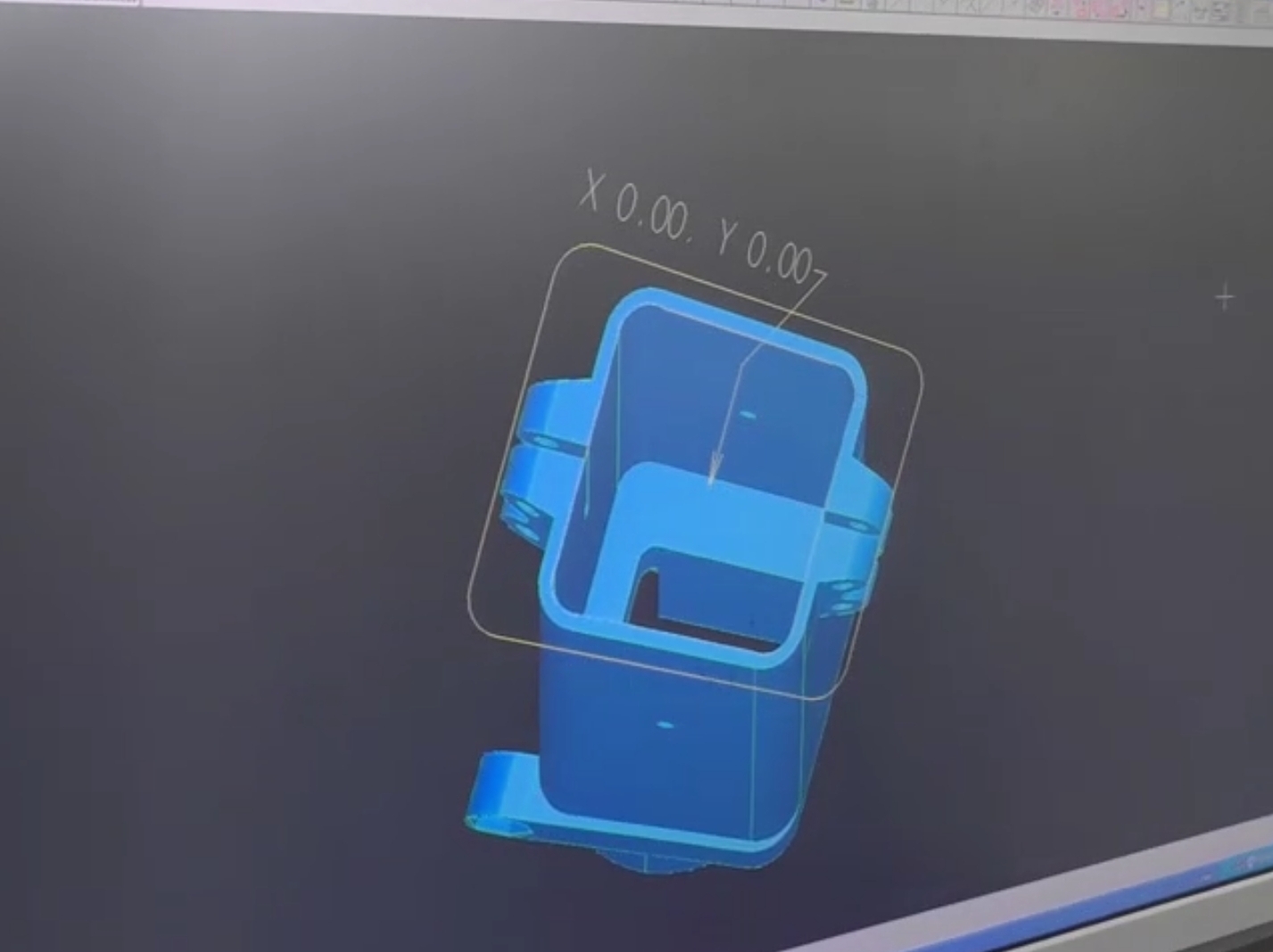
...

From CAD to Completion: A Look Inside Our CNC Machining Workflow

November 10, 2025

Understanding the journey from CAD design to finished product can be challenging. How does CNC machining streamline this process?
CNC machining transforms CAD models into precise finished components through automated machinery, using detailed programming to replicate designs with accuracy and consistency.
alt with keywords

Knowing each step in the CNC machining process can dramatically enhance efficiency and quality. I've seen firsthand how streamlining this workflow, from CAD creation to the final product, ensures precision and minimizes errors. This comprehensive look at our CNC machining workflow could be just what you need to sharpen your operations.

How Does CAD Influence the CNC Machining Process?

CAD models are instrumental in manufacturing, serving as blueprints for CNC machining. How do these designs guide the process?
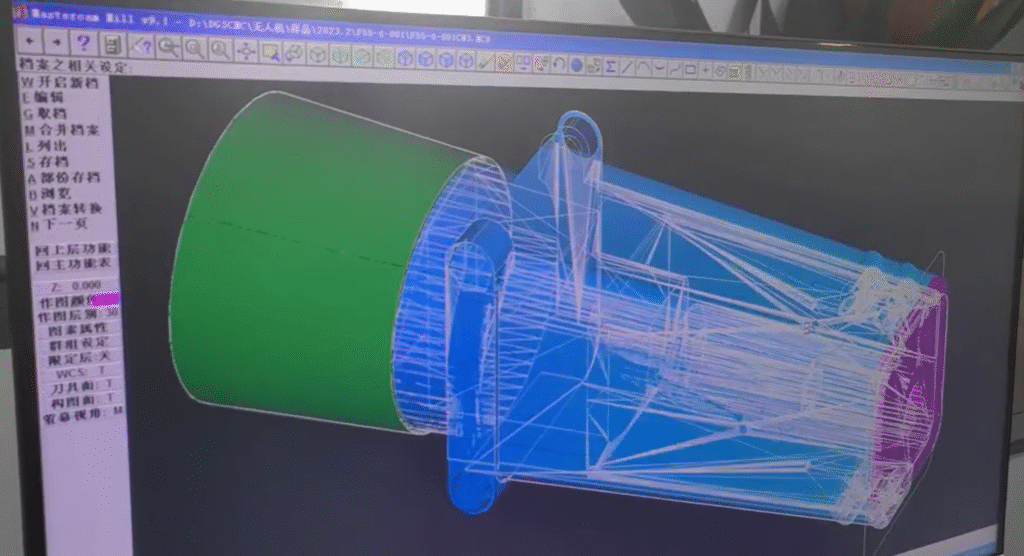
CAD models dictate every step of CNC machining by providing precise measurements and parameters. They ensure that the final components match the intended design exactly.
alt with keywords

From my experience, the CAD model is a critical starting point. It provides the essential framework for CNC software to interpret and execute machining tasks accurately. Without a well-designed CAD model, it's impossible to achieve the precision required in the final product, making every detail in the design phase vital for success.

What Are the Steps in Our CNC Machining Workflow?

Our CNC process involves several key stages. What does each step entail in transforming a CAD model into a completed component?
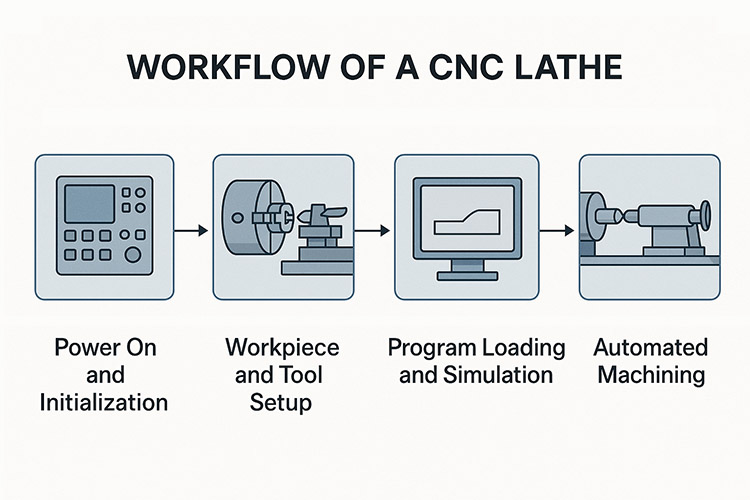
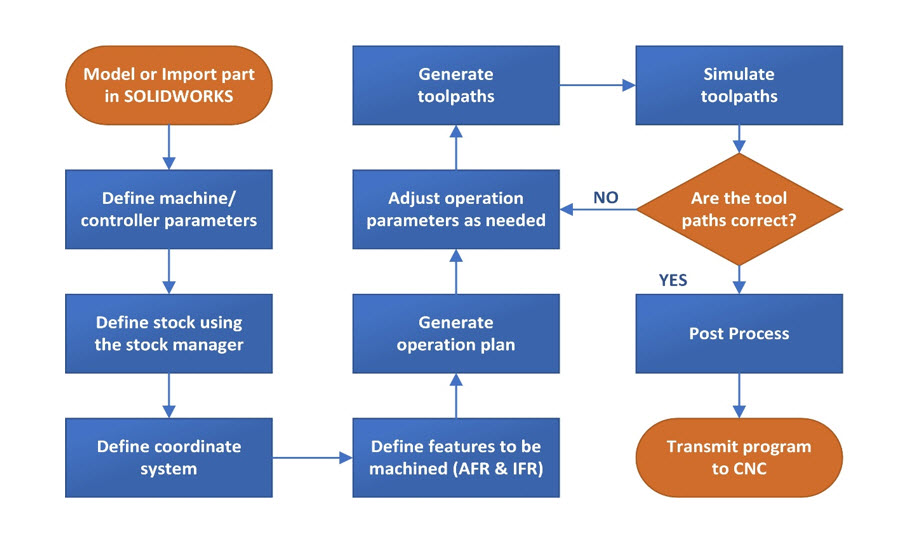
Our workflow includes CAD design, CAM programming, machine setup, actual machining, and quality inspection. Each stage ensures precision and aids in achieving the desired outcome.
alt with keywords

In practice, I've found that each stage of the CNC machining process plays a crucial role. Starting with a detailed CAD model, we move to CAM programming to translate designs into machine-readable instructions. Machine setup aligns tools and materials to specifications, followed by careful machining. Finally, quality inspection verifies that every dimension and finish meets the exact requirements, ensuring product reliability.

Why Is CAM Programming Essential in CNC Machining?

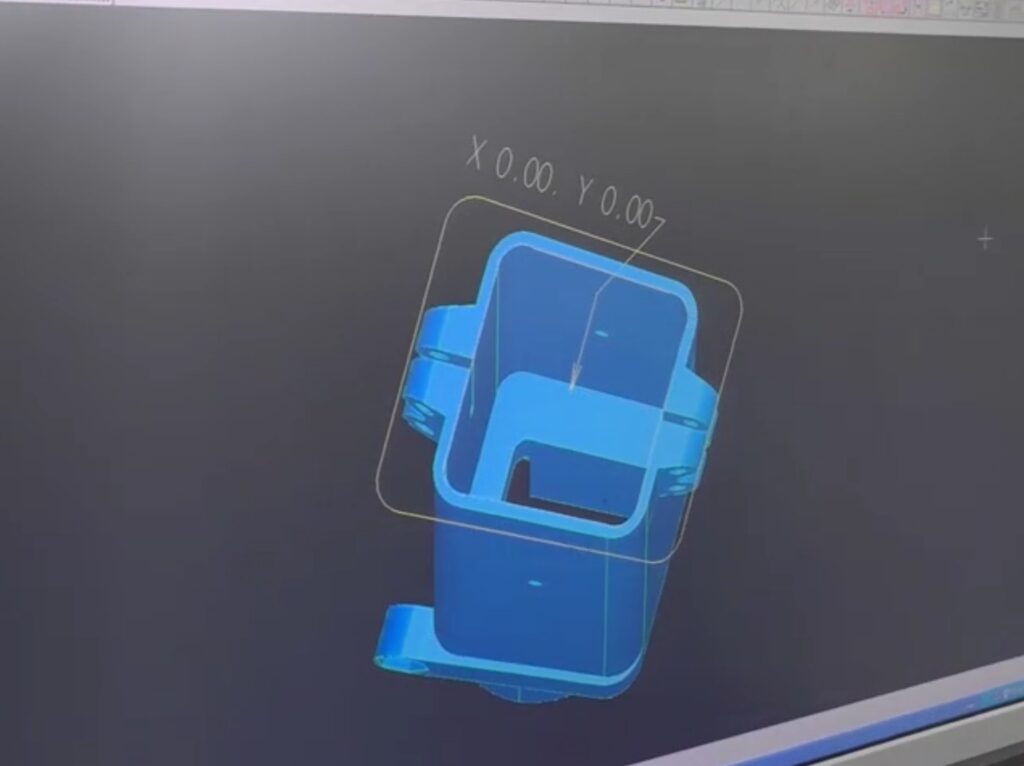
CAM software is crucial in CNC machining. But why is it necessary for turning CAD designs into reality?
CAM converts CAD inputs into machine instructions, allowing CNC machinery to produce precise parts consistently and efficiently, bridging the gap between design and manufacturing.
alt with keywords

I've seen how vital CAM programming is in execution. It translates complex designs into manageable actions that the CNC machine can perform. The precision in programming directly affects the final product's quality, emphasizing the importance of skilled CAM programmers in the workflow. By optimizing this step, we ensure the highest standards in production.

What Role Does Quality Inspection Play in CNC Machining?

Ensuring quality in the final product is paramount. How does quality inspection fit into the CNC machining process?
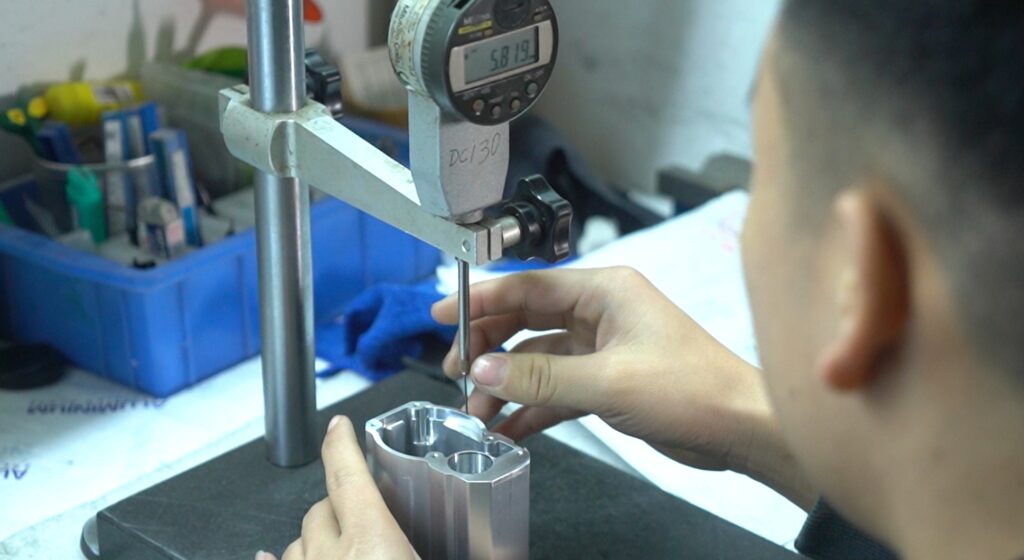
Quality inspection in CNC machining verifies that parts meet specified tolerances and surface finishes, ensuring functionality and durability of manufactured components.
alt with keywords

In every project, quality inspection stands as the final check. This step involves using various measurement tools to confirm that the manufactured component aligns with the original design. It ensures that any deviations are minimized, ultimately guaranteeing the reliability and performance of the final product. I've learned that without thorough inspection, even the best machining processes can fall short.

Conclusion

Navigating from CAD to completion in CNC machining involves structured stages, ensuring precision and efficiency in producing high-quality components.

You may also be interested in:

Sustainable Lighting: CNC's Role in Reducing Material Waste

Sustainable Lighting: CNC's Role in Reducing Material Waste

CNC machining is revolutionizing lighting manufacturing, but how does it contribute to sustainability? Discover the practices that could reshape our approach to eco-friendly production. CNC machines achieve sustainability by optimizing

How Precision Machining Reduces Heat Distortion in High-Power Lamps?

How Precision Machining Reduces Heat Distortion in High-Power Lamps?

Precision machining is crucial in addressing the common issue of heat distortion in high-power lamps. Heat distortion can lead to inefficient performance and potential failure of the product. Precision machining

# How Can Corrosion-Resistant CNC Components Improve Marine and Outdoor Lighting?

# How Can Corrosion-Resistant CNC Components Improve Marine and Outdoor Lighting?

Rust and corrosion can wreak havoc on marine and outdoor lighting setups, leading to costly repairs and replacements. The use of corrosion-resistant CNC components can significantly extend the life of

From Chandeliers to Desk Lamps: How Versatile is CNC in Lighting Production?

From Chandeliers to Desk Lamps: How Versatile is CNC in Lighting Production?

Lighting design can seem complex. Whether it's the elegance of chandeliers or the functionality of desk lamps, CNC machining is revolutionizing production processes by adding precision and speed. CNC is

Placeholder

The Impact of Tolerances in CNC Machined Parts on Lighting Assembly?

Tolerances in CNC machining can make or break your lighting assembly. Precision is everything, but it’s often overlooked. Understanding CNC machined tolerances is crucial for ensuring your lighting assembly functions

How Can Precision-Engineered Lamp Housing Maximize Energy Efficiency?

How Can Precision-Engineered Lamp Housing Maximize Energy Efficiency?

Reducing energy waste is a critical challenge in today's climate-conscious world. One often overlooked area is lamp housing. Precision-engineered lamp housing maximizes energy efficiency by minimizing heat loss and optimizing

Behind the Scenes: How CNC Parts Enable Smart Lighting Adjustability?

Behind the Scenes: How CNC Parts Enable Smart Lighting Adjustability?

Cutting-edge smart lighting transforms spaces, yet few realize the crucial role CNC parts play. These precision components ensure seamless adjustability, making your smart lighting experience flawless. Smart lighting adjustability hinges

CNC Brass vs. Stainless Steel: Choosing Materials for Decorative Lamps?

CNC Brass vs. Stainless Steel: Choosing Materials for Decorative Lamps?

Designing decorative lamps can be challenging when deciding between materials like CNC brass and stainless steel. These choices impact aesthetics, cost, and durability. CNC brass offers a warm, classic look

Why Lighting Manufacturers Choose CNC Aluminum for Lightweight Fixtures?

Why Lighting Manufacturers Choose CNC Aluminum for Lightweight Fixtures?

Lighting innovations spark interest and drive change. But why are manufacturers increasingly opting for CNC aluminum? Uncover the benefits and reasons behind this trend. Lighting manufacturers prefer CNC aluminum for

Minimalist Lighting Trends: The Hidden Precision of Metal Brackets?

Minimalist Lighting Trends: The Hidden Precision of Metal Brackets?

The allure of minimalist lighting lies in its elegance and functionality. But what role do metal brackets play in this trend? Metal brackets provide essential support and stability in minimalist

Daisy

Typically replies within a day

Hello, Welcome to the site. Please click below button for chatting me through Skype.

Seraphinite AcceleratorOptimized by Seraphinite Accelerator
Turns on site high speed to be attractive for people and search engines.