...

From CAD to Completion: A Look Inside Our CNC Machining Workflow?

January 12, 2026

Ever wondered what brings a digital design to life? Understanding CNC machining can be complex, but it’s truly exciting when you see it from start to finish.
CNC machining transforms digital CAD designs into precise physical components by programming machines to methodically remove material until the final product emerges.
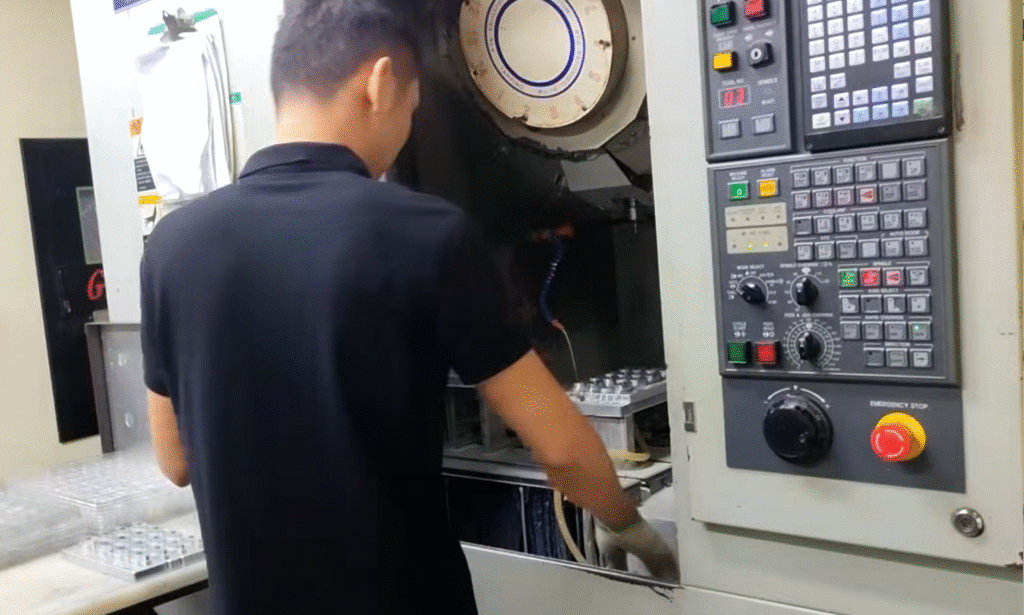
CNC Machining Process

The journey from CAD to completion is detailed and rewarding. Let's dive into each step to see how every phase plays a crucial role in bringing designs to life.

What Is the CAD Design Phase?

Confused about how the starting point looks? Let me break down the CAD design phase for you.
CAD, or Computer-Aided Design, allows designers to create detailed digital models. This phase involves precision drawing where every dimension and feature is outlined.
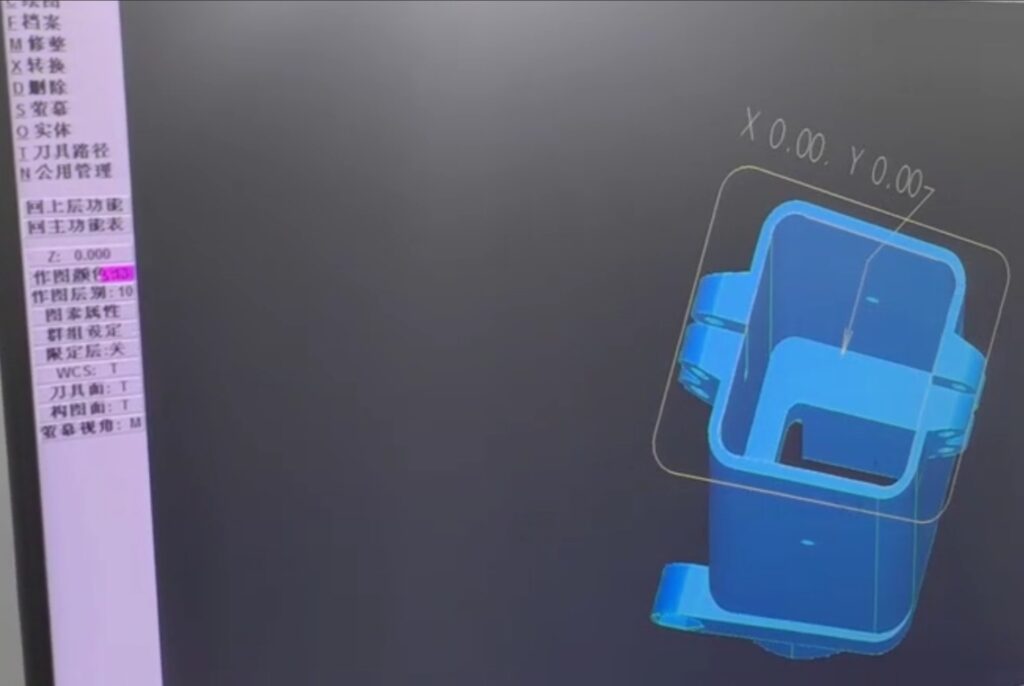
CAD Design

In this phase, I leverage CAD tools to draft intricate designs that meet specific functional and aesthetic requirements. CAD software enables me to visualize the product, ensuring that every detail is purposeful before production begins. Once the design is ready, it’s verified for manufacturability. Next, it transitions to the CNC program setup.

How Does CNC Programming Work?

Programming challenges can seem overwhelming, but they’re a vital part of machining.
CNC programming translates CAD designs into machine instructions, guiding precise movements for material cutting and shaping.
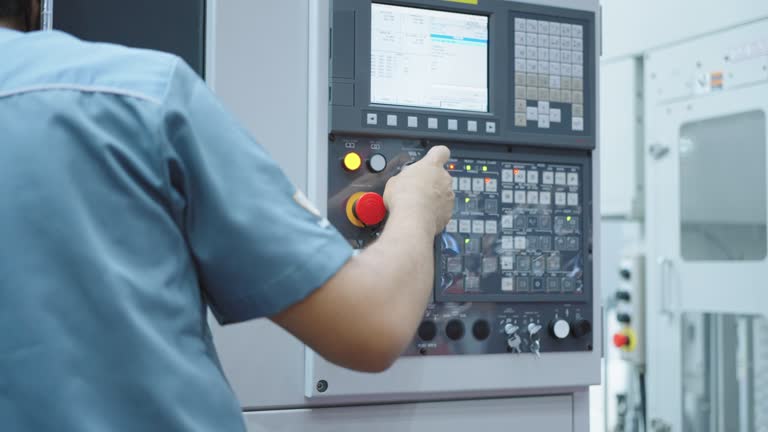
CNC Programming

During programming, I input the CAD design into CNC software, converting it into G-code. This code instructs the machine how to operate, specifying speed, cutting paths, and tool changes. Attention to detail is key to ensuring accuracy and efficiency. Mistakes here can lead to costly errors, so collaboration with engineers is essential to refine and perfect the program.

What's the Role of Material Selection?

Choosing materials feels like an intriguing puzzle that can determine a product's success.
Selecting appropriate materials impacts product durability, function, and machinability, with choices often influenced by design requirements and cost considerations.
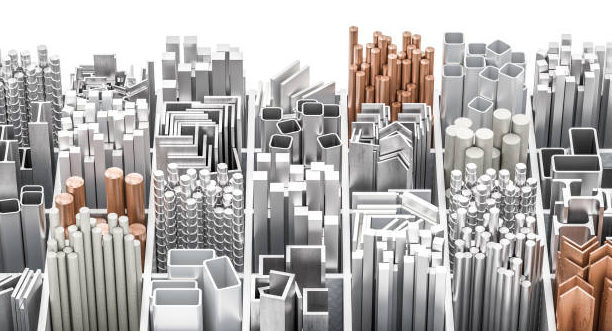
Material Selection

In my workflow, I carefully choose materials based on the product’s demands. Certain metals may provide strength but are costlier, while others like aluminum offer a balance between weight and durability. By evaluating the end use of the component, I make decisions that ensure the product performs efficiently. This step also involves determining if any secondary processes like heat treatments are necessary.

How Is the Machining Process Conducted?

Manufacturing excitement bubbles up once machining begins, seeing ideas transform into reality.
The machining process involves cutting and shaping raw materials using CNC machines, following precise specifications from the programming phase.
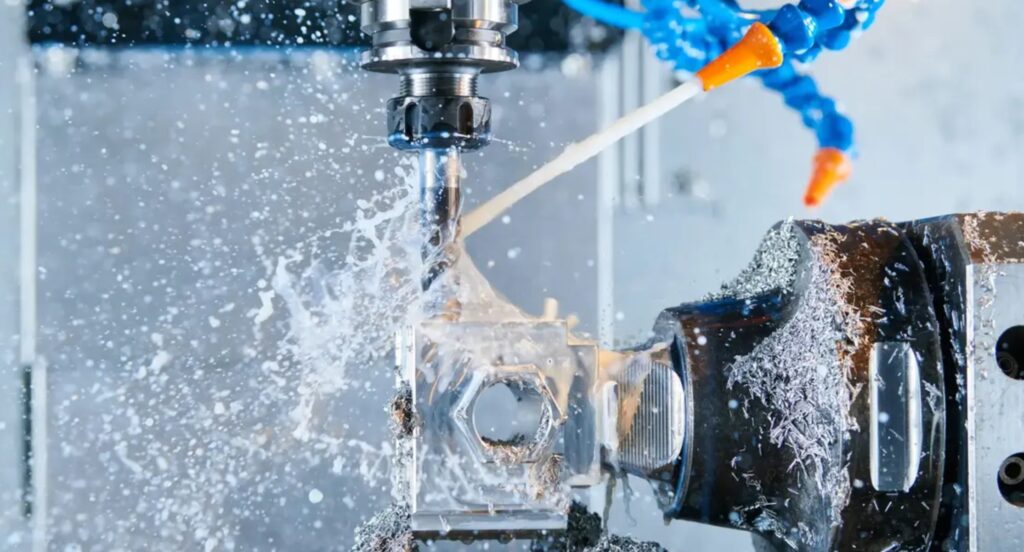
Machining Process

In my experience, once machining starts, the CNC machine follows the G-code instructions meticulously. It cuts away material using various tools and techniques, depending on the piece’s complexity. Real-time monitoring is crucial, as any slight alteration may affect the final product. This involves fine-tuning tool paths and adjustments to maintain fidelity to the design.

What Happens in Quality Control and Finishing?

Ensuring smooth operations, quality control catches issues before they escalate.
Quality control involves inspecting machined components for accuracy, surface finish, and conformity to design specifications, often followed by final finishing processes.
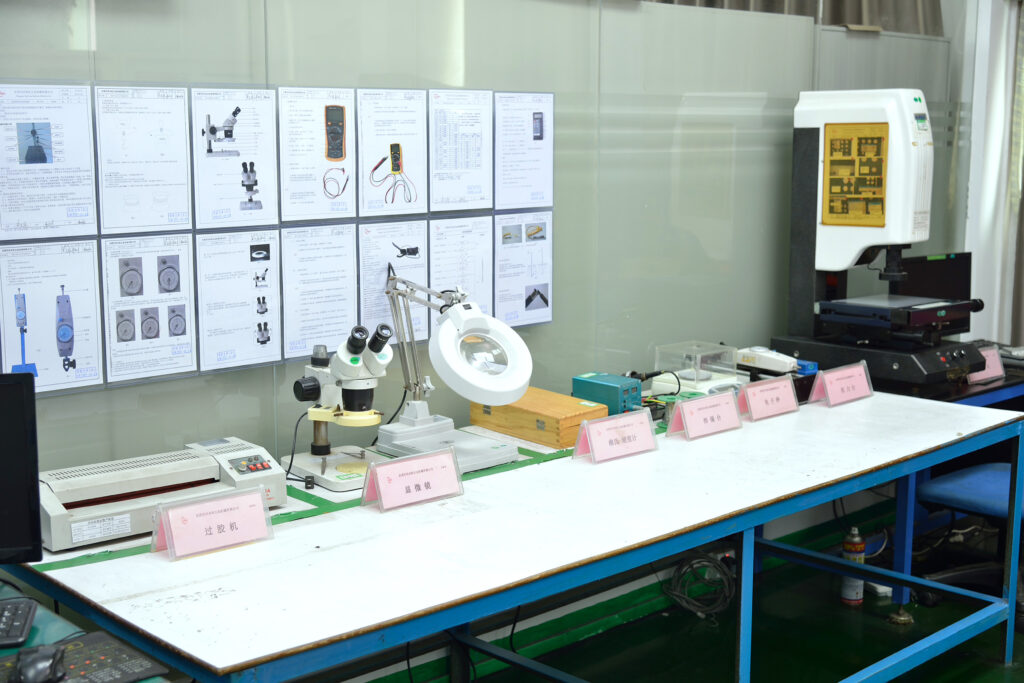
Quality Control

After machining, I conduct rigorous quality inspections, using instruments like calipers and micrometers to measure critical dimensions. Surface finishes are checked to meet aesthetic and functional needs. Any discrepancies are addressed through finishing processes like polishing or coating. These steps ensure that the components not only meet but surpass expectations, readying them for assembly or shipment.

Conclusion

From CAD to completion, each step in CNC machining is crucial, weaving together precision and creativity to bring digital designs to life.

You may also be interested in:

Sustainable Lighting: CNC's Role in Reducing Material Waste

Sustainable Lighting: CNC's Role in Reducing Material Waste

CNC machining is revolutionizing lighting manufacturing, but how does it contribute to sustainability? Discover the practices that could reshape our approach to eco-friendly production. CNC machines achieve sustainability by optimizing

How Precision Machining Reduces Heat Distortion in High-Power Lamps?

How Precision Machining Reduces Heat Distortion in High-Power Lamps?

Precision machining is crucial in addressing the common issue of heat distortion in high-power lamps. Heat distortion can lead to inefficient performance and potential failure of the product. Precision machining

# How Can Corrosion-Resistant CNC Components Improve Marine and Outdoor Lighting?

# How Can Corrosion-Resistant CNC Components Improve Marine and Outdoor Lighting?

Rust and corrosion can wreak havoc on marine and outdoor lighting setups, leading to costly repairs and replacements. The use of corrosion-resistant CNC components can significantly extend the life of

From Chandeliers to Desk Lamps: How Versatile is CNC in Lighting Production?

From Chandeliers to Desk Lamps: How Versatile is CNC in Lighting Production?

Lighting design can seem complex. Whether it's the elegance of chandeliers or the functionality of desk lamps, CNC machining is revolutionizing production processes by adding precision and speed. CNC is

Placeholder

The Impact of Tolerances in CNC Machined Parts on Lighting Assembly?

Tolerances in CNC machining can make or break your lighting assembly. Precision is everything, but it’s often overlooked. Understanding CNC machined tolerances is crucial for ensuring your lighting assembly functions

How Can Precision-Engineered Lamp Housing Maximize Energy Efficiency?

How Can Precision-Engineered Lamp Housing Maximize Energy Efficiency?

Reducing energy waste is a critical challenge in today's climate-conscious world. One often overlooked area is lamp housing. Precision-engineered lamp housing maximizes energy efficiency by minimizing heat loss and optimizing

Behind the Scenes: How CNC Parts Enable Smart Lighting Adjustability?

Behind the Scenes: How CNC Parts Enable Smart Lighting Adjustability?

Cutting-edge smart lighting transforms spaces, yet few realize the crucial role CNC parts play. These precision components ensure seamless adjustability, making your smart lighting experience flawless. Smart lighting adjustability hinges

CNC Brass vs. Stainless Steel: Choosing Materials for Decorative Lamps?

CNC Brass vs. Stainless Steel: Choosing Materials for Decorative Lamps?

Designing decorative lamps can be challenging when deciding between materials like CNC brass and stainless steel. These choices impact aesthetics, cost, and durability. CNC brass offers a warm, classic look

Why Lighting Manufacturers Choose CNC Aluminum for Lightweight Fixtures?

Why Lighting Manufacturers Choose CNC Aluminum for Lightweight Fixtures?

Lighting innovations spark interest and drive change. But why are manufacturers increasingly opting for CNC aluminum? Uncover the benefits and reasons behind this trend. Lighting manufacturers prefer CNC aluminum for

Minimalist Lighting Trends: The Hidden Precision of Metal Brackets?

Minimalist Lighting Trends: The Hidden Precision of Metal Brackets?

The allure of minimalist lighting lies in its elegance and functionality. But what role do metal brackets play in this trend? Metal brackets provide essential support and stability in minimalist

Daisy

Typically replies within a day

Hello, Welcome to the site. Please click below button for chatting me through Skype.

Seraphinite AcceleratorOptimized by Seraphinite Accelerator
Turns on site high speed to be attractive for people and search engines.