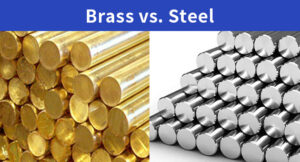
Do you want to make your CNC machined components stronger and last longer? Heat treatment might be the answer.
Heat treatment enhances the strength and durability of CNC machined components by altering their microstructure through controlled heating and cooling processes, resulting in improved material properties.
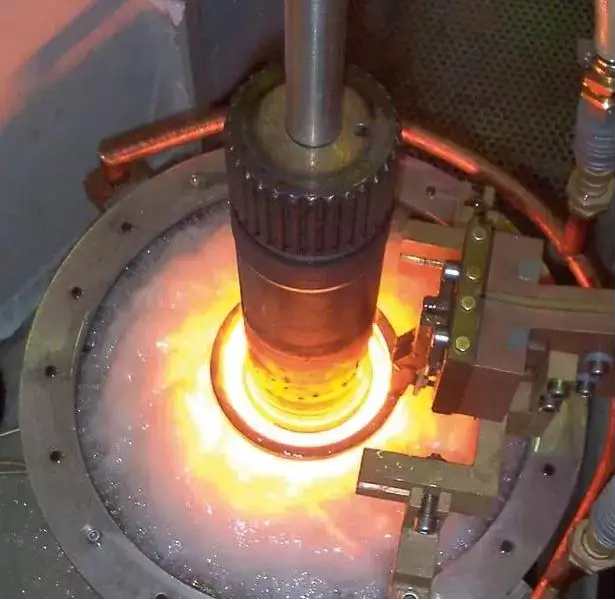
As someone who has worked extensively with CNC machined parts, I know that merely machining a component to perfection isn't always enough. Integrating heat treatment can significantly boost performance and lifespan. This added process isn't just beneficial but often necessary for demanding applications.
What Is the Role of Heat Treatment in CNC Machining?
Heat treatment is a vital part of manufacturing that changes metal properties. How does it impact CNC machined components?
In CNC machining, heat treatment increases strength, wear resistance, and fatigue life, making components more suitable for demanding applications by modifying the metal’s internal structure.
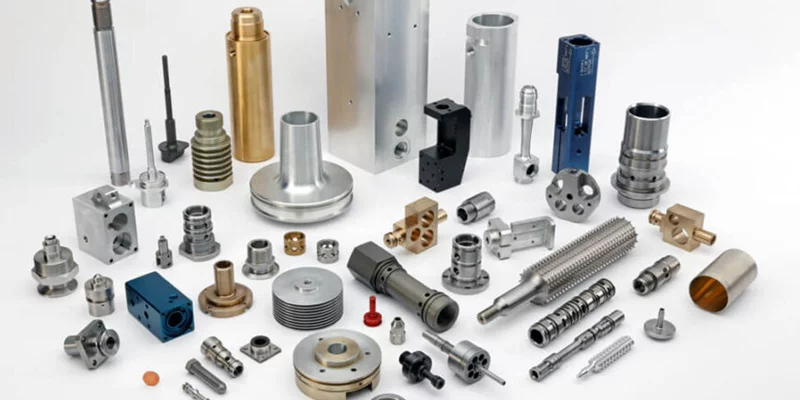
In practice, I’ve found that introducing heat treatment can be transformative. Whether you're working with steel or aluminum, this process can enhance key properties, ensuring that components withstand tough conditions. It’s not just about what you can machine; it’s about nurturing the material to its full potential.
What Are Common Heat Treatment Techniques for CNC Machined Parts?
Different techniques suit different needs. What are the most common methods for treating CNC machined components?
Common techniques are annealing, quenching, and tempering. Each method serves specific purposes like softening, hardening, or increasing toughness of CNC machined parts.
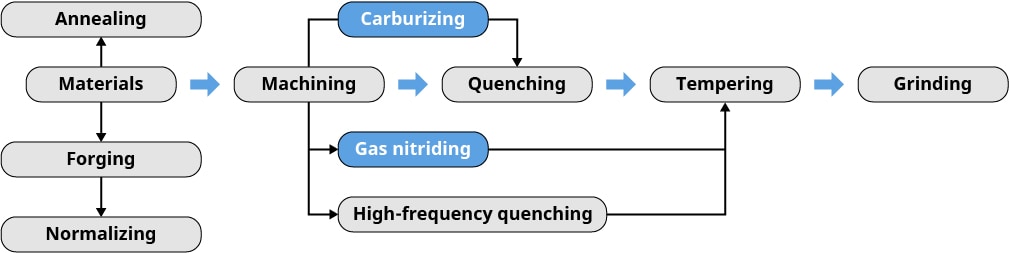
In my experience, selecting the right method is crucial. Annealing softens metals for easier machining, quenching hardens them for durability, and tempering strikes a balance by reducing brittleness. Choosing the correct technique involves considering the material and desired outcome, leading to optimal performance of the component.
How Does Heat Treatment Enhance Material Properties?
Heat treatment refines material qualities. How does it specifically enhance CNC machined components?
By altering the microstructure, heat treatment improves hardness, strength, and ductility, providing CNC machined components with enhanced resistance to wear and deformation.
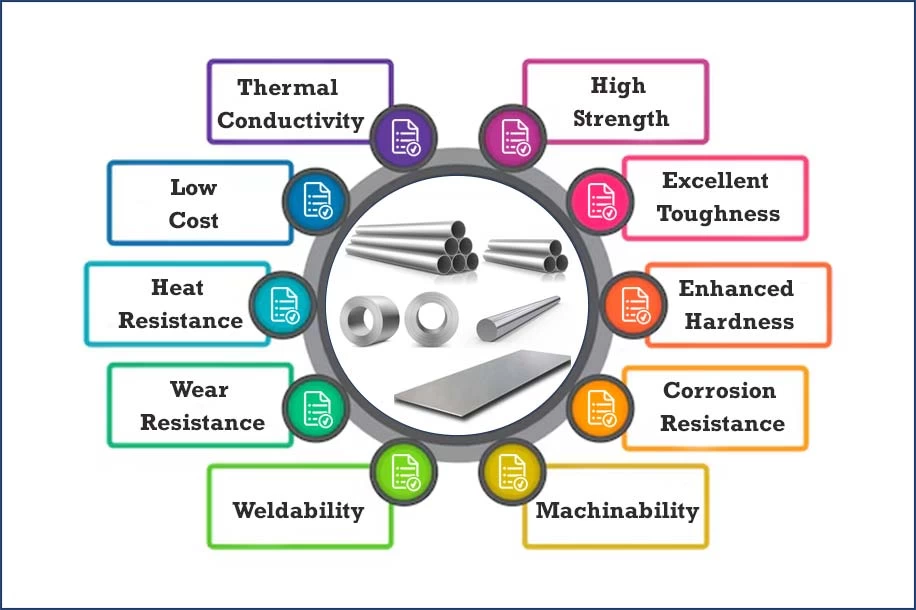
I’ve witnessed how altering the microstructure can elevate a component’s capabilities. The process fine-tunes internal structures, leading to substantial improvements. The results are often remarkable; parts last longer, perform better, and withstand harsh conditions more effectively. Emphasizing these enhancements unlocks advanced applications for machined components.
Why Is Heat Treatment Essential for High-Performance Applications?
High-performance demands robust components. Why is heat treatment indispensable for such uses?
Heat treatment is crucial for high-performance applications because it optimizes mechanical properties, allowing CNC machined components to handle extreme stress and environmental conditions confidently.
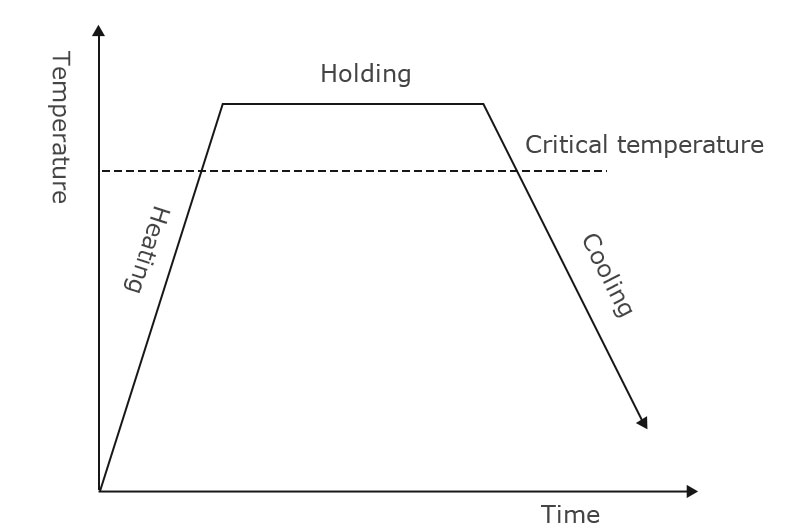
From years of experience, I can attest that heat-treated components stand out in rigorous applications. Whether in aerospace or automotive industries, components face extreme pressure and temperatures. Heat treatment ensures they are not only reliable but excel when put to the test. It’s a clear path to achieving excellence in demanding fields.
Conclusion
Integrating heat treatment into CNC machining enhances component strength and durability, ensuring they meet the rigorous demands of various applications.