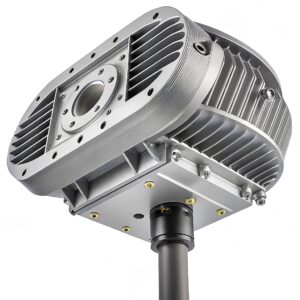
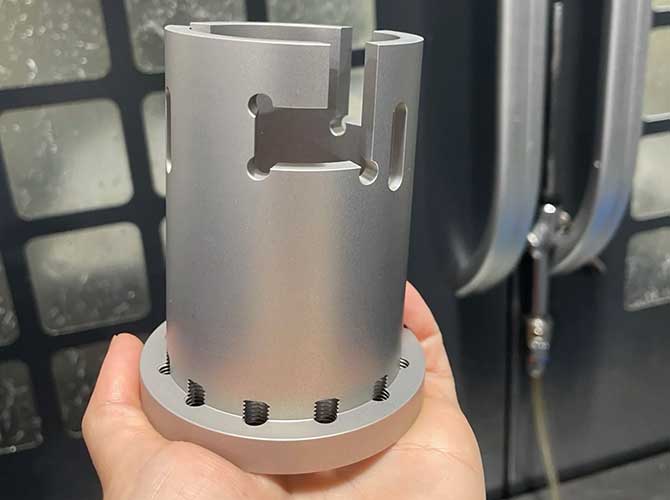
Reducing energy waste is a critical challenge in today's climate-conscious world. One often overlooked area is lamp housing.
Precision-engineered lamp housing maximizes energy efficiency by minimizing heat loss and optimizing light distribution, ensuring that more energy is converted into usable light rather than lost as heat.
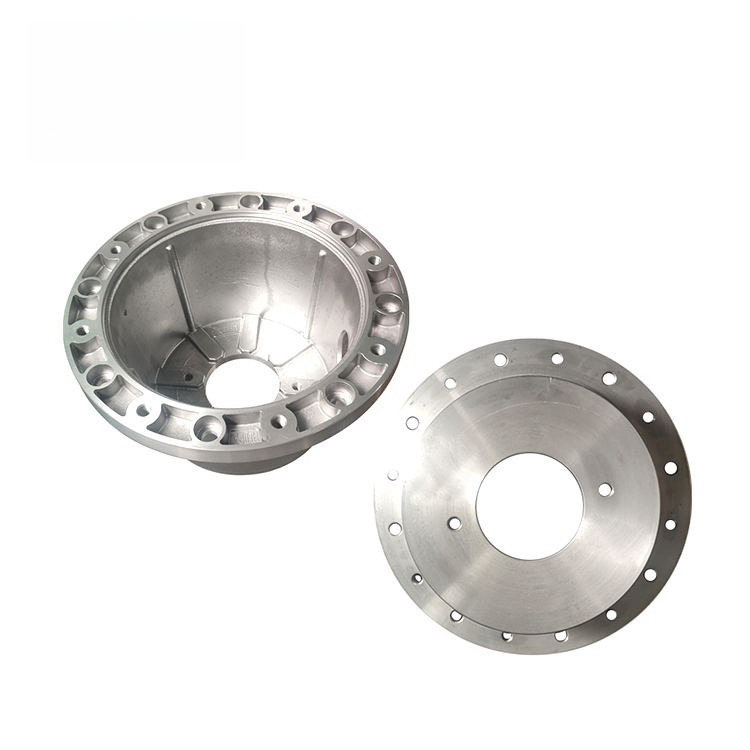
The role of precision-engineered lamp housing in energy-saving strategies is significant. Not only does it enhance light output, but it also reduces energy consumption, translating into cost savings and environmental benefits.
Why Is Material Selection Crucial?
Choosing the wrong material for lamp housing can lead to inefficiency and increased heat loss. This affects energy consumption and overall performance.
Selecting the right materials for lamp housing is crucial as they influence thermal conductivity, durability, and the overall efficiency of the lighting system.

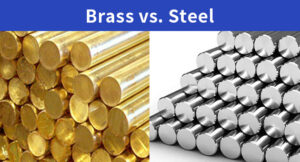
When selecting materials for lamp housing, factors like thermal resistance, sustainability, and cost come into play. Common materials include aluminum and polycarbonate, known for their thermal conductivity and durability. Aluminum effectively dissipates heat, which helps in extending the lifespan of the lamp. On the other hand, polycarbonate offers lightweight and high-impact resistance, albeit with lower heat dissipation properties. Material selection is a balance between performance, cost, and sustainability. Thus, it’s essential to consider these factors to enhance energy efficiency.
How Does Design Influence Performance?
A poorly designed lamp housing can lead to inefficient lighting and excess energy consumption. This compromises the system's efficiency and effectiveness.
Design influences performance by guiding how light is distributed and how heat is managed, directly impacting energy usage and lamp lifespan.
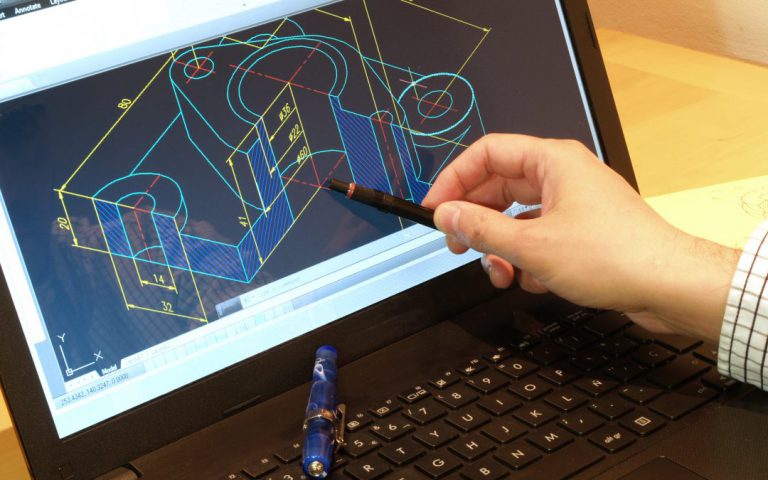
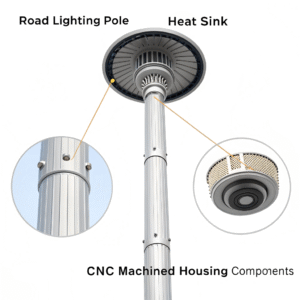
Design considerations include the shape and size of the housing, as well as venting and heat sinks. A well-designed housing directs light where needed more efficiently and can prevent heat buildup. Proper venting and heat sinks protect electronic components by preventing overheating, further enhancing energy efficiency. Modern designs often incorporate smart features like angle adjustments and reflective surfaces to optimize light output and minimize energy waste.
Are Advanced Technologies Beneficial?
Lack of advanced technology in lamp housing may lead to outdated and inefficient lighting solutions that fail to meet energy-saving goals.
Advanced technologies like IoT integration and smart sensors improve efficiency by adapting lighting based on usage and environmental conditions.
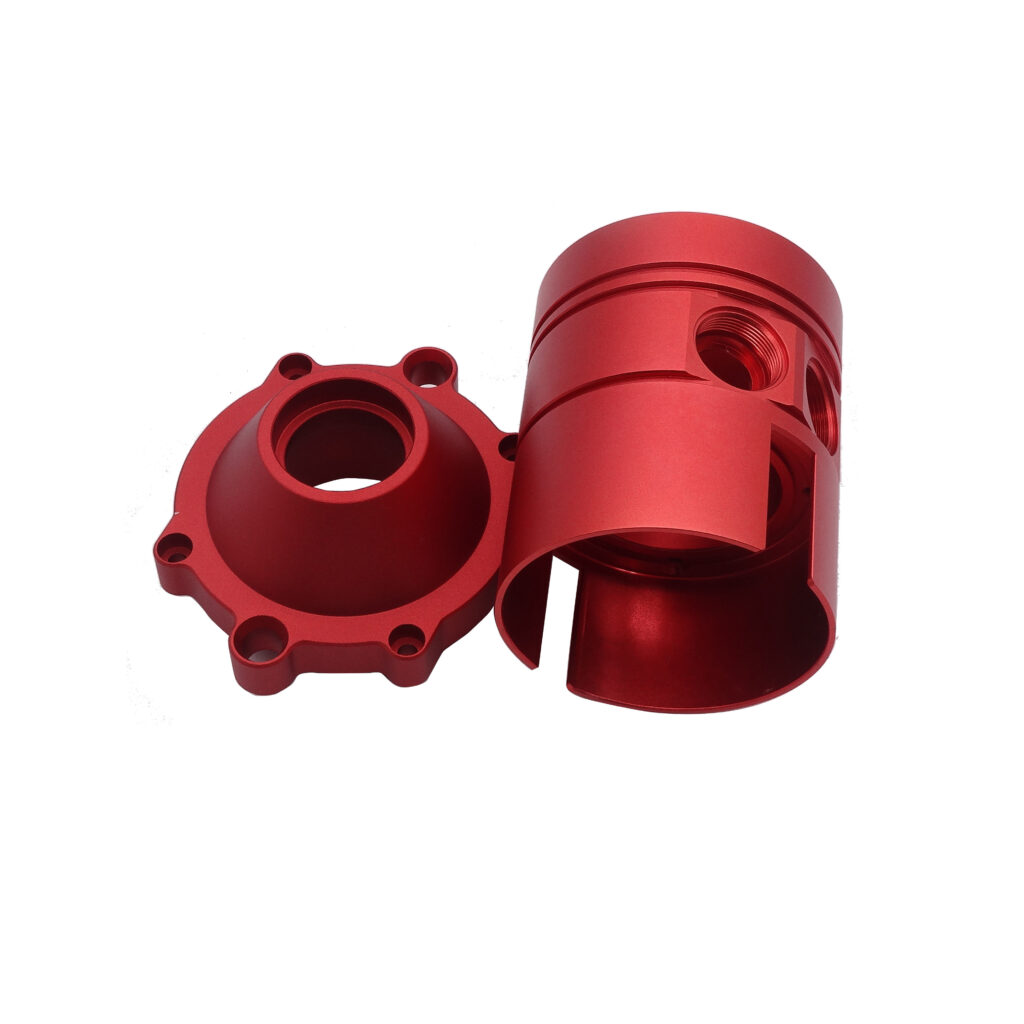
Smart sensors can adjust light levels based on occupancy or daylight availability, thereby reducing unnecessary energy consumption. IoT-enabled systems offer remote monitoring and control, allowing for adjustments that enhance energy efficiency. Additionally, integrating LED technology into lamp housing provides a more efficient lighting solution due to its low energy consumption and long lifespan. These technologies not only reduce energy costs but also provide flexibility and enhance user experience.
Can Cost Efficiency Improve Through Precision-Engineered Lamp Housing?
High initial costs of precision-engineered lamp housing may seem daunting, yet the long-term savings often outweigh the investment.
Precision-engineered lamp housing improves cost efficiency by reducing energy bills and maintenance costs, offering significant returns on investment over time.
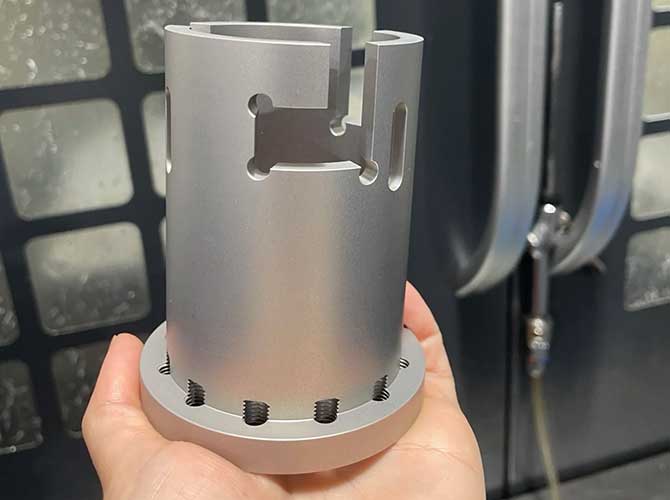
Long-term cost savings stem from lower energy consumption and reduced wear and tear on components. Investing in quality materials and advanced features lowers maintenance requirements and extends product lifespan. For businesses and consumers, this means lower total cost of ownership and a smaller carbon footprint. Quality engineered housing is not just an investment in lighting but in sustainability and future-proofing operational costs.
Conclusion
Precision-engineered lamp housing plays a crucial role in maximizing energy efficiency. It balances material choice, design, technological integration, and cost, offering a sustainable lighting solution.