Sensors form the cornerstone of modern technology, but how do they achieve precision? CNC-turned components ensure stability and accuracy, crucial for sensitive applications.
CNC-turned components offer precise, stable platforms essential for sensor electronics, enabling accurate functioning by maintaining exact dimensions and alignment.
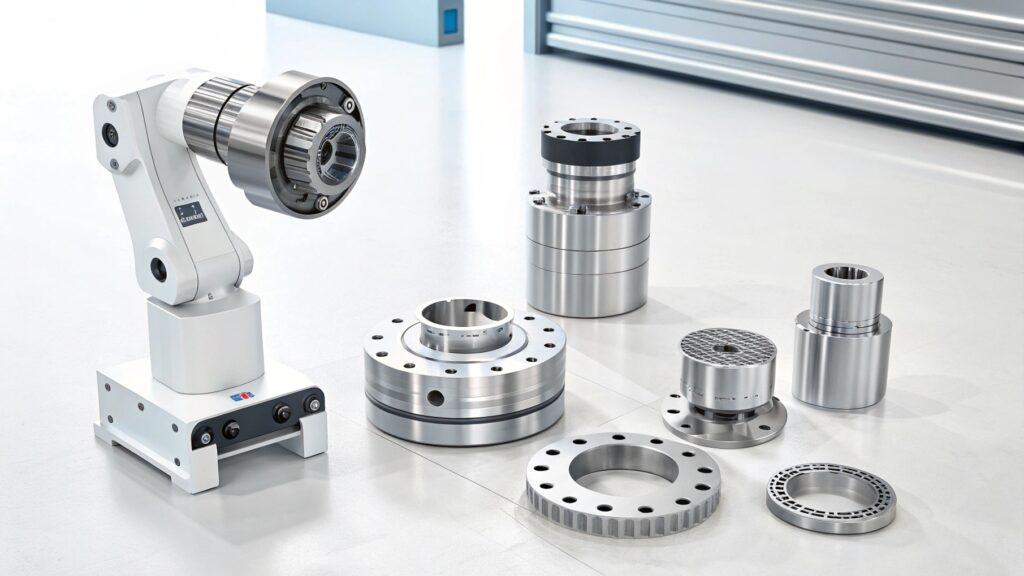
The intricate world of sensors relies heavily on mechanical parts that uphold consistent performance. Without precision, sensor functionality would falter. Let’s delve deeper into CNC parts and their role in sensor systems.
What kind of CNC Turned Parts can be used in sensors?
Precision is everything in sensor technology, but what CNC-turned parts serve this need the best? The answer lies in the ability of these components to house, connect, and protect sensor electronics.
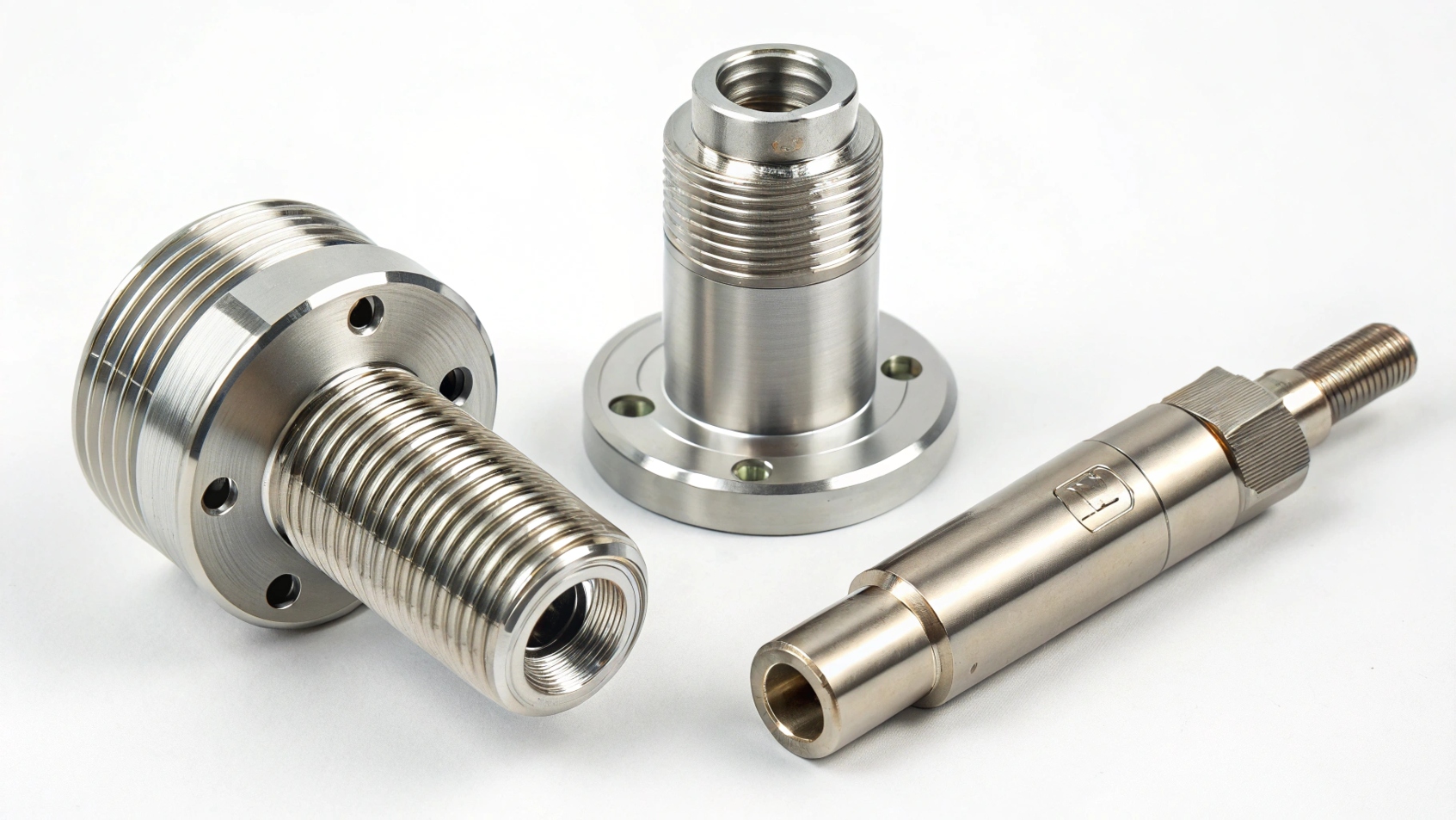
Typical CNC-turned parts used in sensors include housings, shafts, and connectors. These ensure that sensors can precisely measure and relay data without interference.
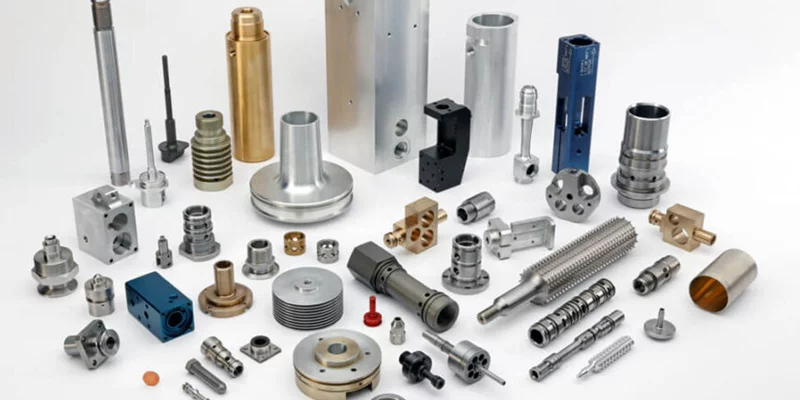
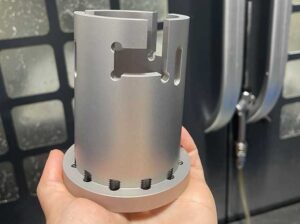
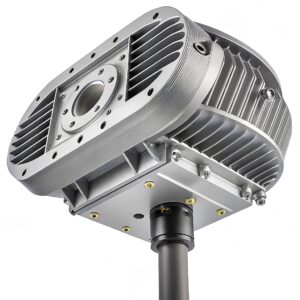
In sensors, CNC-turned parts like housings provide the external framework, safeguarding delicate electronics from external impact and environmental changes. Shafts are critical for moving parts, enabling sensors to gather data from different angles. Connectors establish necessary links between sensor elements and processing units, transferring signals accurately. Each part plays a distinct yet integrated role in maintaining the sensor's overall function, demonstrating why CNC machining's precision is indispensable.
What materials can be used in sensors?
Choosing the right material can make or break a sensor's performance. The selection impacts durability, response time, and accuracy.
Materials like aluminum, stainless steel, and plastics are commonly used for CNC-turned sensor components due to their strength, corrosion resistance, and ease of machining.
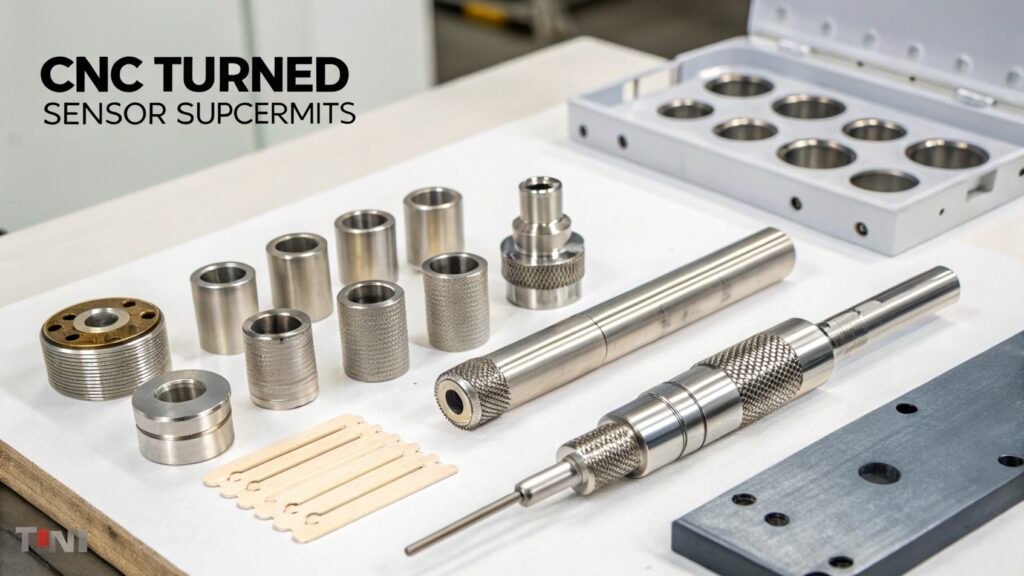
Aluminum is favored for its lightweight and anti-corrosive properties, essential where sensors must endure adverse environments. Stainless steel offers unmatched strength and wears resistance, ideal for heavy-duty applications. On the other hand, plastics provide cost-effective solutions with flexibility, useful in less demanding situations. Each material choice reflects a tailored approach to meeting specific sensor requirements, underscoring the necessity of material knowledge in CNC machining.
How to process a CNC turned sensor component?
Understanding the processing of CNC-turned components is crucial for ensuring sensor quality. This step involves several stages.
To process a CNC-turned sensor component, one must meticulously follow procedures like design validation, material selection, machining, and quality inspection.
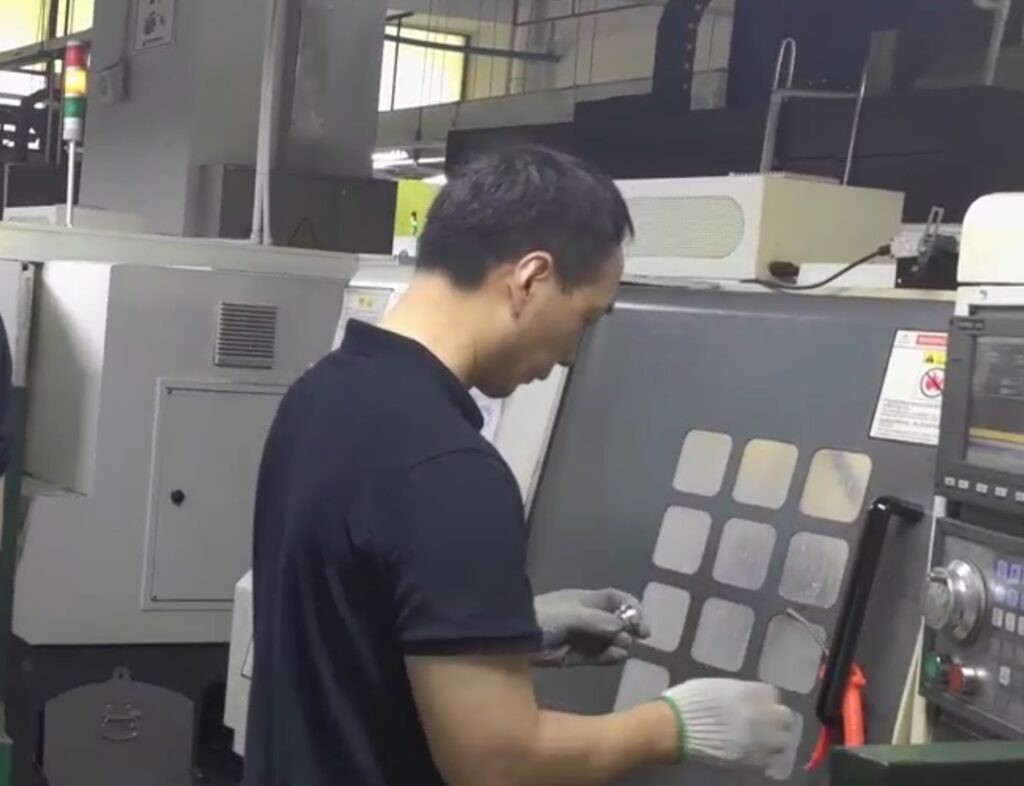
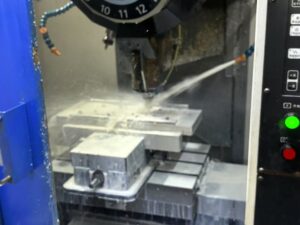
Let's explore key processing steps. First, initial designs are rigorously validated against functional requirements, spotlighting potential flaws early. Once designs are set, the material must be chosen based on application needs. The machining process then converts raw materials into precise sensor parts through turning, milling, and drilling. Finally, quality checks confirm component consistency and precision, using tools like calipers and micrometers, verifying alignment and dimensions. This systematic approach ensures each component meets high standards required for sensor applications.
What is the tolerance for sensor?
Tolerance affects how well a sensor performs. But how precise do these components need to be?
CNC-turned sensor components typically require tolerances within ±0.01 mm, essential to maintain precision and function in critical applications.
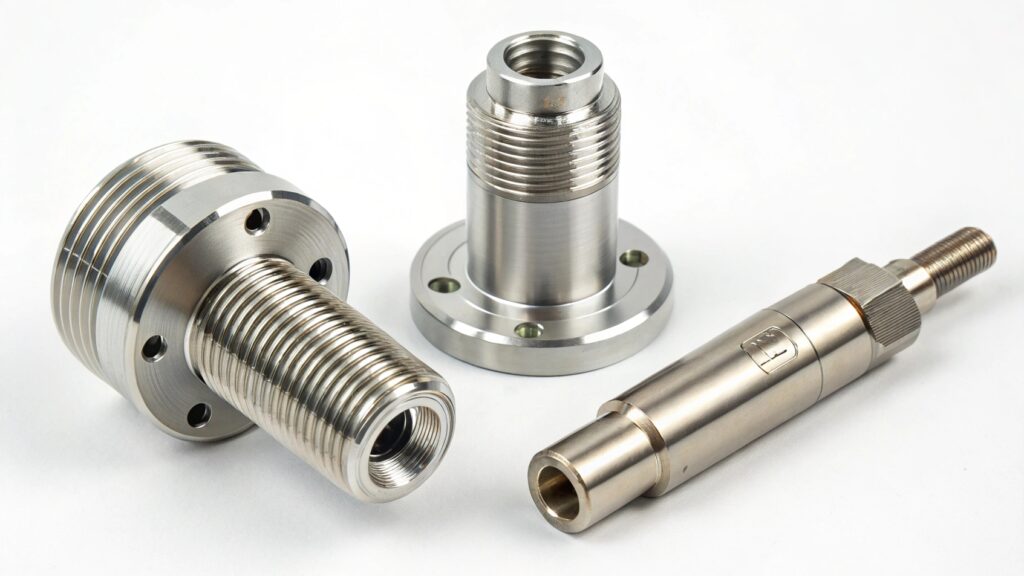
Tolerance levels define a component's permissible deviation from the planned dimensions. Tight tolerances ensure parts fit perfectly, avoiding any unnecessary play that could disrupt sensor readings. Maintaining these standards mitigates issues caused by environmental changes or mechanical stress, enabling consistent performance. Ensuring such precision requires a detailed understanding of machining capabilities and regular calibration of equipment. It's a testament to how precision affects every aspect of sensor functionality.
Conclusion
CNC-turned components provide essential precision, stability, and reliability, forming the backbone upon which accurate sensor technology operates.