...

How to Prepare a Perfect Technical Drawing for Your CNC Supplier?

November 19, 2025

Creating the perfect technical drawing can feel overwhelming. Ensuring clarity and precision can make or break your project.
The perfect technical drawing for CNC suppliers includes precise dimensions, clear annotations, specified tolerances, and material details. This ensures accurate machining and minimizes errors during production.
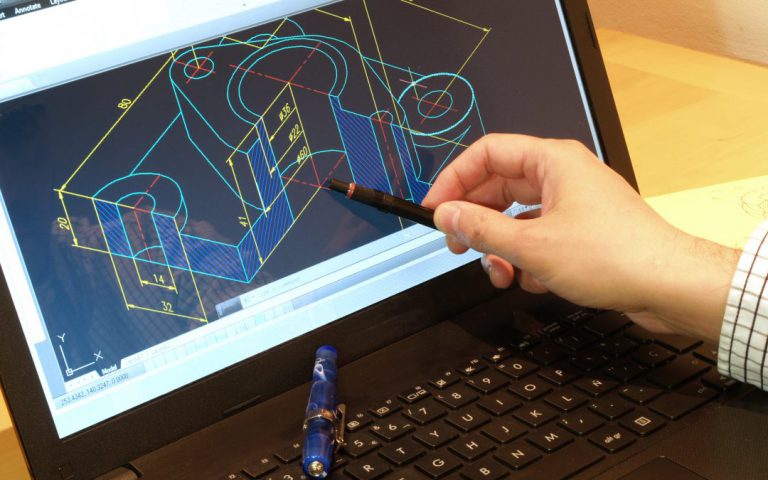
alt with keywords

Feeling lost about how to approach this? Don’t worry; I'll guide you through it step-by-step.

Why Are Accurate Dimensions Critical?

Precision is crucial in technical drawings. Errors can lead to costly mistakes.
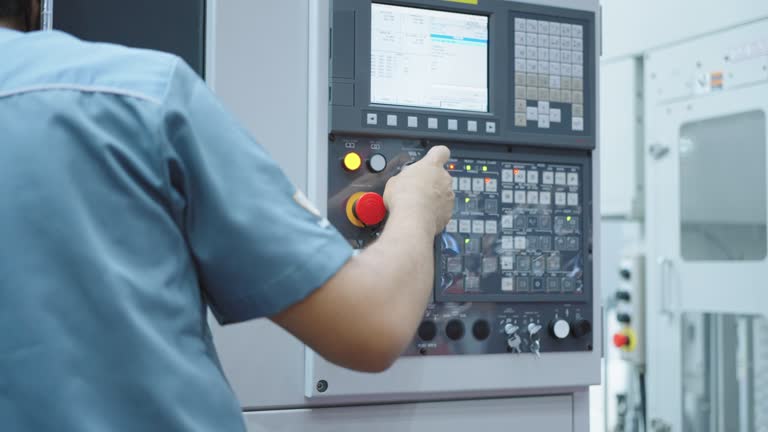
Accurate dimensions ensure that the CNC machine cuts the materials to the right size, fitting the final design. It also reduces the chances of production errors.
alt with keywords

When I first started in product design, I struggled with dimensions. Over time, I realized that each fraction of a millimeter counts. Use measuring tools effectively. Double-check dimensions. Ensure they match your design specifications exactly.

What Role Do Annotations Play?

Annotations provide clarity and context. They guide the CNC operators.
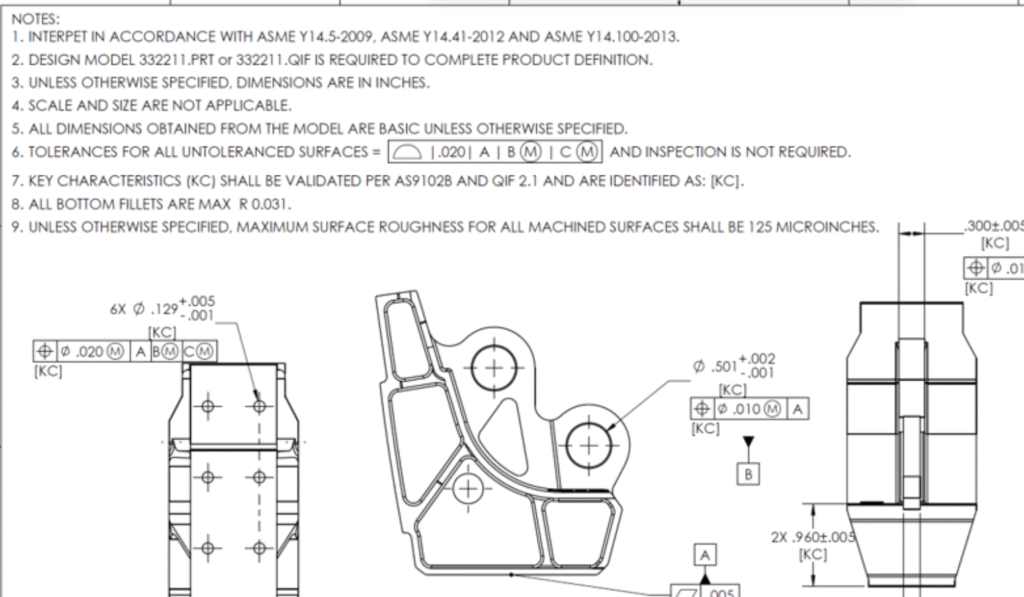
Ensure that your drawings have clear annotations that explain complex details, specify finishing processes, and address any other important instructions relevant to production.
alt with keywords

Reflecting on early projects, I often missed adding necessary notes. This slowed production. Do include instructions on surface finishes, threads, or any specific machining details. Annotations bridge the understanding between designers and operators.

Why Is Tolerance Specification Important?

Without proper tolerances, the end product might not meet your standards.
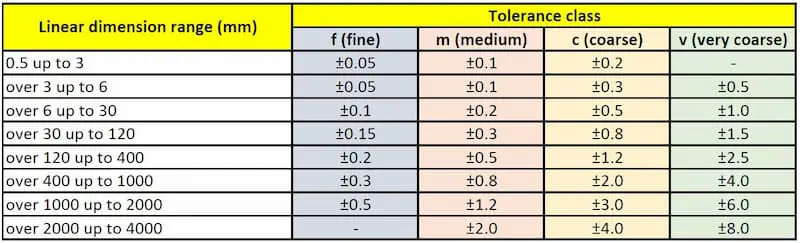
Tolerances define acceptable variations in dimensions, ensuring that parts fit and function together correctly, even with minor differences during production.
alt with keywords

Back in my initial design days, I witnessed a whole batch of parts being unusable due to misunderstood tolerances. To avoid this, define what deviations are permissible. Scour through standards like ISO or DIN if unsure.

How Do Material Details Impact Production?

Material specifics are crucial. They determine the machining process.
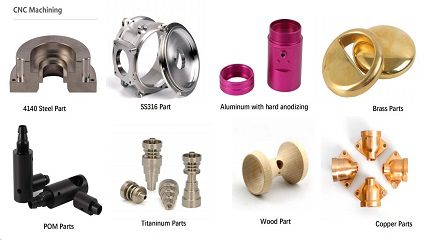
Materials influence the machining approach, tool selection, and overall success of your CNC project. Incorrect assumptions can lead to failures in production.
alt with keywords

I learned from experience that the right material choice can make a significant difference. Always specify material type, properties, and any required certifications to guide your suppliers efficiently.

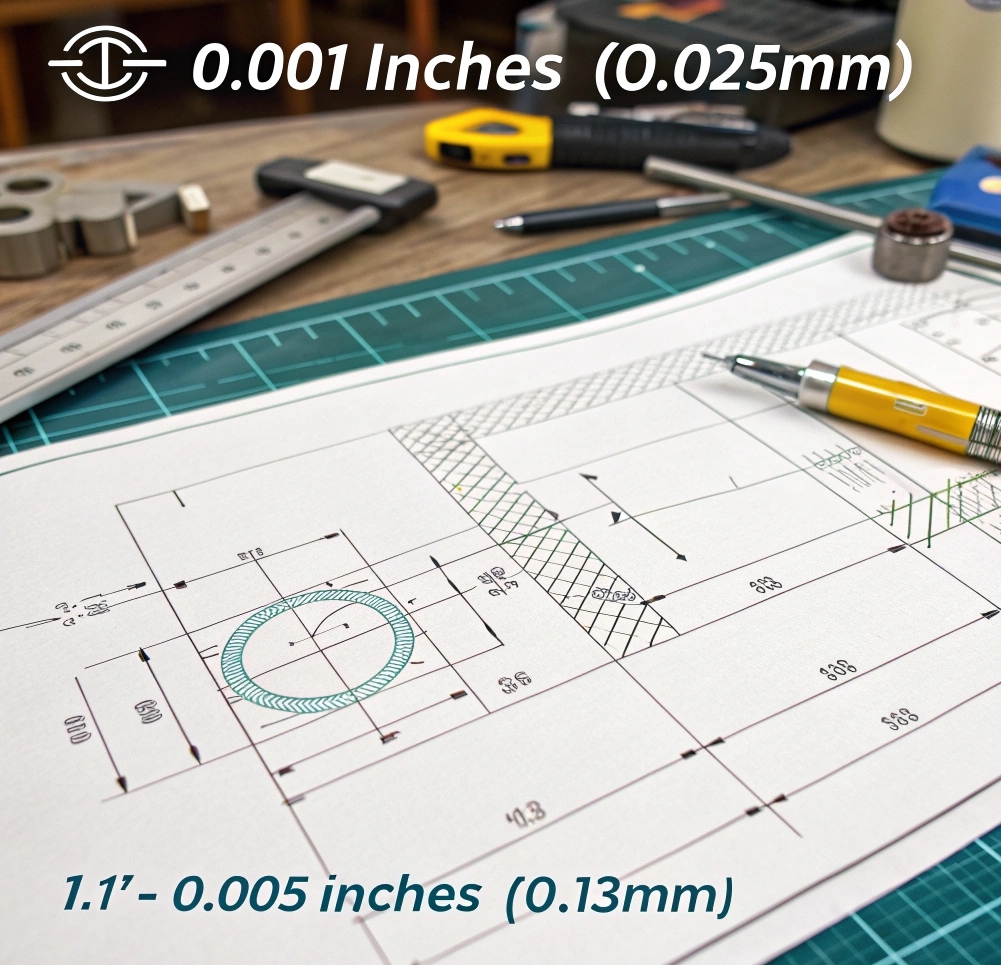
How Can You Ensure Clarity in Your Drawings?

Beyond the basic details, clarity prevents miscommunication.
Clear, concise drawings allow CNC suppliers to understand and execute designs effectively, reducing misinterpretations and speeding up the production process.
alt with keywords

Juggling between multiple designs in my career, I realized the simple layouts worked best. Use standard symbols, avoid clutter, and employ a clean, consistent style across all drawings.

Conclusion

A perfect technical drawing ensures a seamless production process. Precision, clarity, and detailed annotations are key.

You may also be interested in:

5 Questions to Ask Every CNC Machining Supplier Before You Order?

5 Questions to Ask Every CNC Machining Supplier Before You Order?

Choosing the right CNC machining supplier can be overwhelming given the intricacies involved. To ensure a successful partnership, it's essential to ask key questions about their capabilities, quality control, and

Prototyping vs. Mass Production: Tailoring Our CNC Services to Your Needs?

Prototyping vs. Mass Production: Tailoring Our CNC Services to Your Needs?

Creating the perfect metal component can be challenging, but understanding when to prototype and when to move into mass production is crucial. This decision affects the cost, timeline, and overall

Beyond the Machine: The Role of the Machinist in Precision Manufacturing?

Beyond the Machine: The Role of the Machinist in Precision Manufacturing?

Precision manufacturing fascinates many with its intricate balance between artistry and engineering. But what about the machinists who make it all happen? A machinist plays a crucial role in ensuring

Choosing the Right CNC Material for Corrosion Resistance?

Choosing the Right CNC Material for Corrosion Resistance?

Corrosion can destroy machines, leading to costly repairs and downtime. This is why picking the right CNC material for corrosion resistance is crucial. Selecting the right CNC material ensures long-lasting

How to Reduce the Cost of Your CNC Machined Parts Without Sacrificing Quality?

How to Reduce the Cost of Your CNC Machined Parts Without Sacrificing Quality?

Maximizing quality while minimizing costs can feel overwhelming in CNC machining. What strategies can help achieve this balance without compromising on excellence? Reducing the cost of CNC machined parts without

A Guide to Designing Effective CNC Machining Tolerances

A Guide to Designing Effective CNC Machining Tolerances

Precision is at the heart of CNC machining and designing with the right tolerances can make or break your project. Get it wrong, and the parts might not fit or

How to Design for Manufacturability (DFM) in CNC Machining?

How to Design for Manufacturability (DFM) in CNC Machining?

Struggling with production inefficiencies and high costs in CNC machining? Embracing DFM can turn these problems around by optimizing designs for smoother manufacturing processes. Design for Manufacturability (DFM) in CNC

Statistical Process Control (SPC) in CNC Machining: Ensuring Consistency Batch After Batch?

Statistical Process Control (SPC) in CNC Machining: Ensuring Consistency Batch After Batch?

Inconsistent results in CNC machining can lead to serious setbacks. Achieving batch consistency is crucial for quality and reputation. SPC provides a systematic approach to ensure reliable production. Statistical Process

First Article Inspection (FAI): Why It's the Foundation of Part Quality?

First Article Inspection (FAI): Why It's the Foundation of Part Quality?

CNC Machining quality issues can undermine even the most promising designs. This is where First Article Inspection (FAI) steps in as a vital checkpoint. First Article Inspection (FAI) is a

How We Control Quality in Every CNC Component: A 10-Step Checklist

How We Control Quality in Every CNC Component: A 10-Step Checklist

Ensuring top-quality CNC components is a complex task. Curious about the rigorous process that guarantees excellence? Our 10-step checklist for CNC component quality control involves detailed inspections, material verification, precision

Seraphinite AcceleratorOptimized by Seraphinite Accelerator
Turns on site high speed to be attractive for people and search engines.