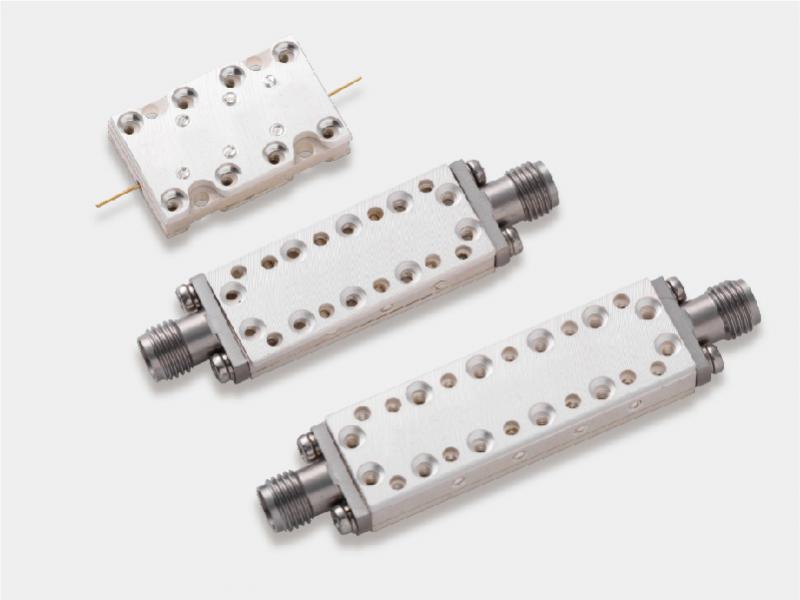
CNC machining can make or break your product's performance. Ignoring tolerances can lead to costly mistakes and failed products. Let's explore why tolerances are crucial in manufacturing.
Tolerances in CNC machining define the acceptable limits of variation for a part's dimensions. They ensure consistency, precision, and functionality in production. Following these guidelines prevents alignment issues, part failure, and performance inconsistencies.
Understanding the role of tolerances is crucial for anyone involved in manufacturing. By maintaining precise tolerances, you ensure that parts will fit together perfectly, delivering optimal performance and reliability. Let's delve deeper.
Why Is It Important To Use Tolerances During Manufacture?
Neglecting tolerances can lead to parts that don't fit or fail under stress. Quality and consistency suffer without adequate tolerance measures.
Using tolerances ensures that parts align correctly, function as intended, and meet safety standards. Tolerances accommodate material variations and machining imprecision, crucial for consistent product quality.
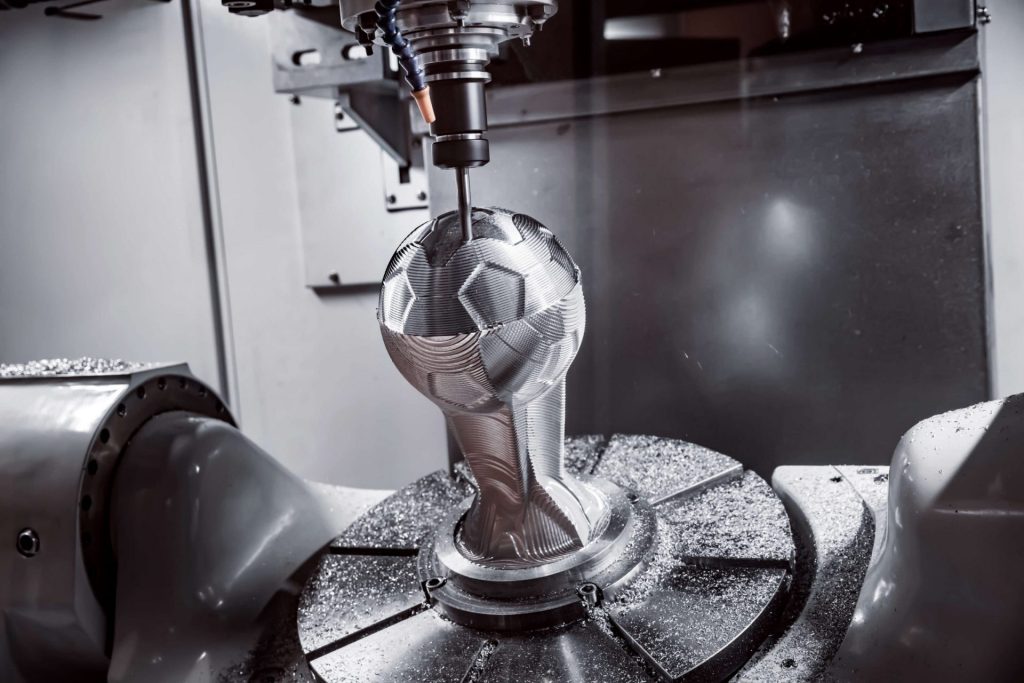
Tolerance in manufacturing allows for the predictability of outputs. Tolerances set the acceptable limits, providing a buffer for slight variations inherent in any machining process. In maufacturing, different materials react differently to machining processes. Variations can occur due to humidity, temperature changes, or tool wear. Tolerances account for these factors, ensuring parts always fit and function correctly. This precision prevents costly rework and enhances overall efficiency.
How do tolerances impact the functionality of a product?
A product's functionality hinges on precision. Incorrect tolerances can cause misalignment and operational failures in machines.
Tolerances impact product functionality by ensuring parts fit and interact perfectly. Correct tolerances eliminate gaps and misalignments, maintaining the structural integrity and performance of products.
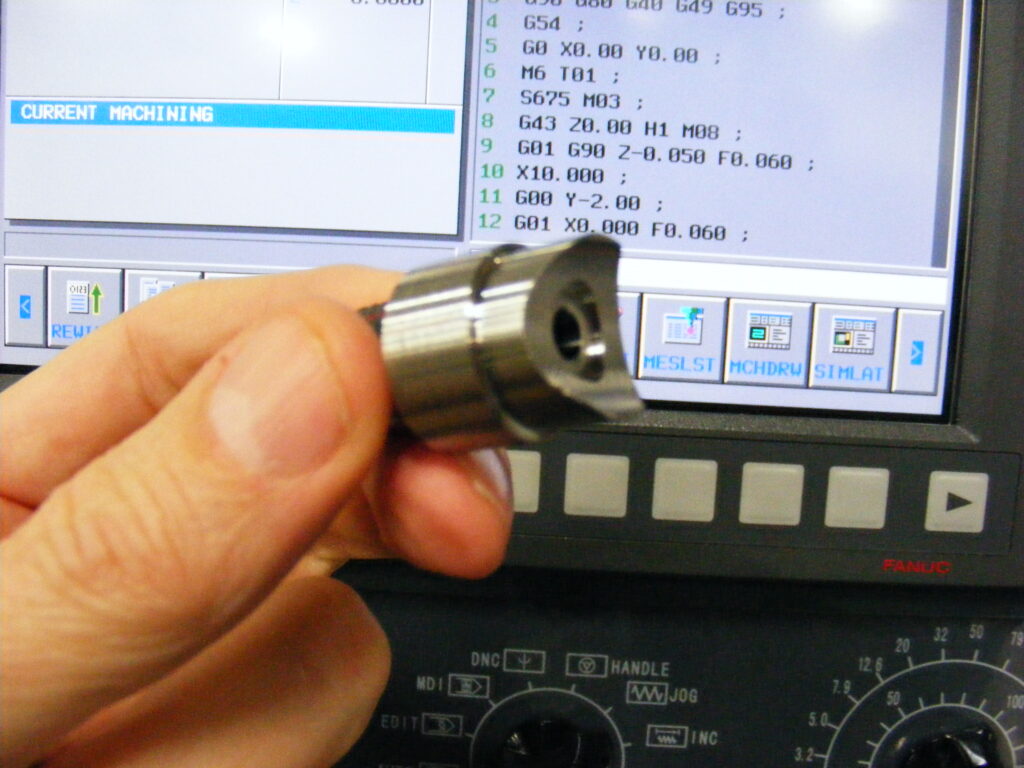
Let's imagine a simple scenario: a mechanical watch. If gear teeth in a watch are off by even a fraction of a millimeter, it can stop the entire mechanism. This principle applies to all products with interacting components. Consistent, correct tolerances ensure proper assembly and functionality. Without them, stress or load imbalance might cause sudden failures or wear. Meeting tight tolerances is more challenging but crucial for high-performance applications, where precision is paramount.
How does tolerance impact manufacturing?
Manufacturing must account for machine and material variances. Overly tight tolerances can escalate costs and complexity.
Tolerance management affects production efficiency, costs, and quality. It dictates accuracy in machining processes, influencing material waste and operational speed. Balanced tolerances yield optimized manufacturing.
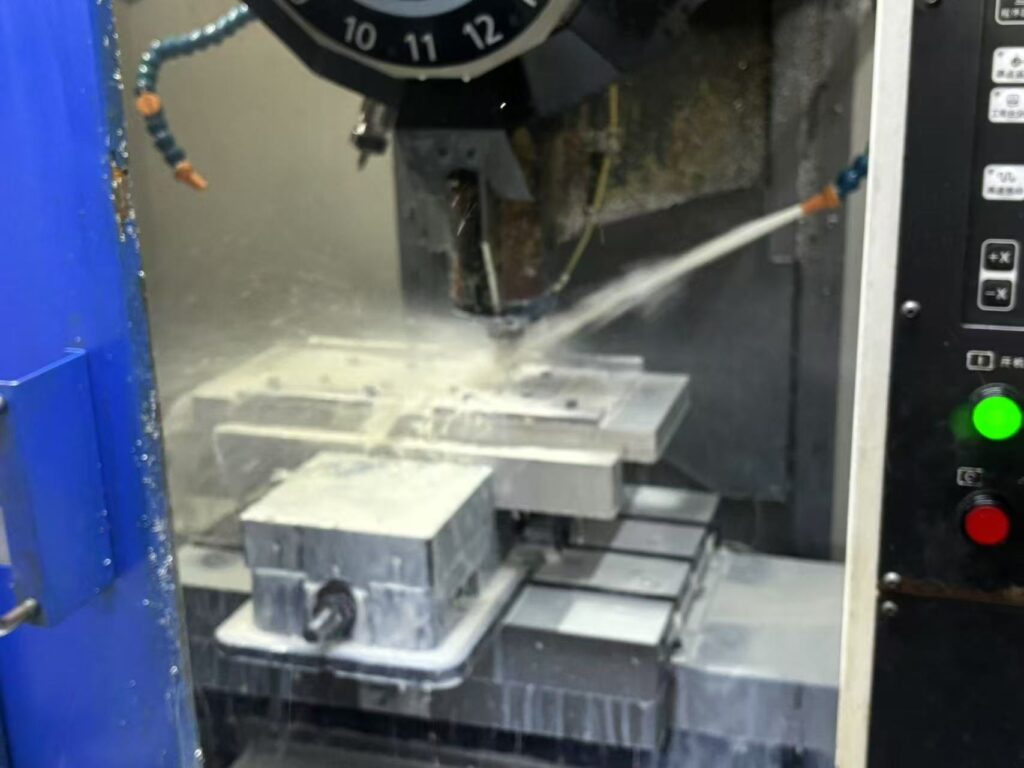
Consider the effects of tolerances on production lines. If a tolerance is too tight, it might require more precise machinery, increasing costs. Too loose, and the parts won’t fit correctly, causing failures and additional costs. Balancing this can lead to efficient production, minimizing waste and maximizing throughput. Understanding material properties and matching them with feasible tolerances ensures better resource allocation. It supports decisions on equipment investment and machine tool calibration.
Why is tolerance important in machining?
Achieving precise tolerances can be technically challenging. It’s essential for quality and performance, especially where precision is crucial.
Tolerance in machining guarantees part consistency, precision, and compatibility. It reduces errors and ensures finished parts meet design specifications, critical for high-quality production.
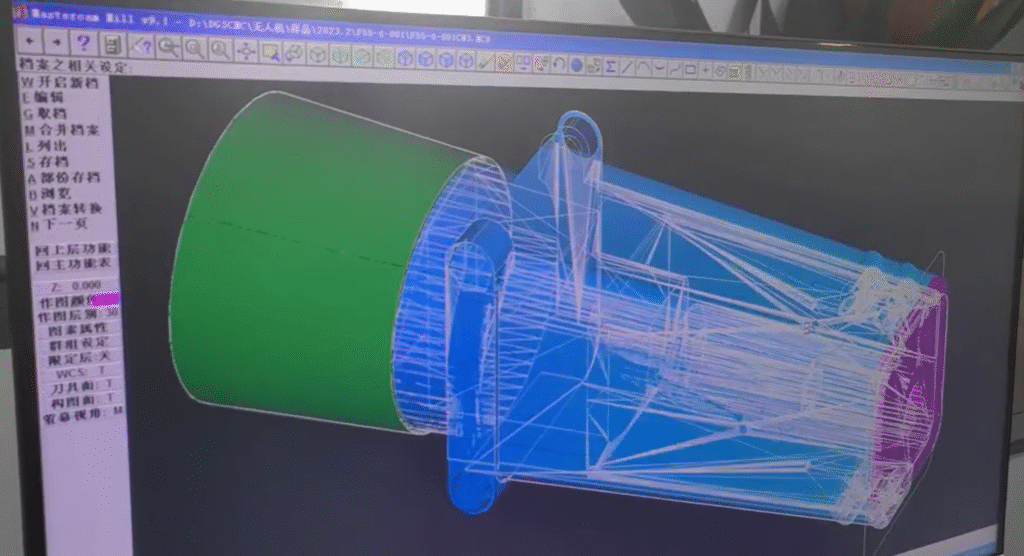
Imagine constructing a skyscraper; foundations must align perfectly. In machining, this precision ensures everything falls into place. Tolerances act like a roadmap for machining tools, guiding them to produce the exact dimensions and shapes. They reconcile the blueprint's ideal with real-world imperfections. Complex components might require exceptionally tight tolerances. Regular calibration of CNC machines and adherence to tolerances minimizes defects, leading to superior products.
Conclusion
Tolerances in CNC machining ensure parts fit perfectly, boosting product performance and reliability. Precision engineering depends on accurate tolerance management.