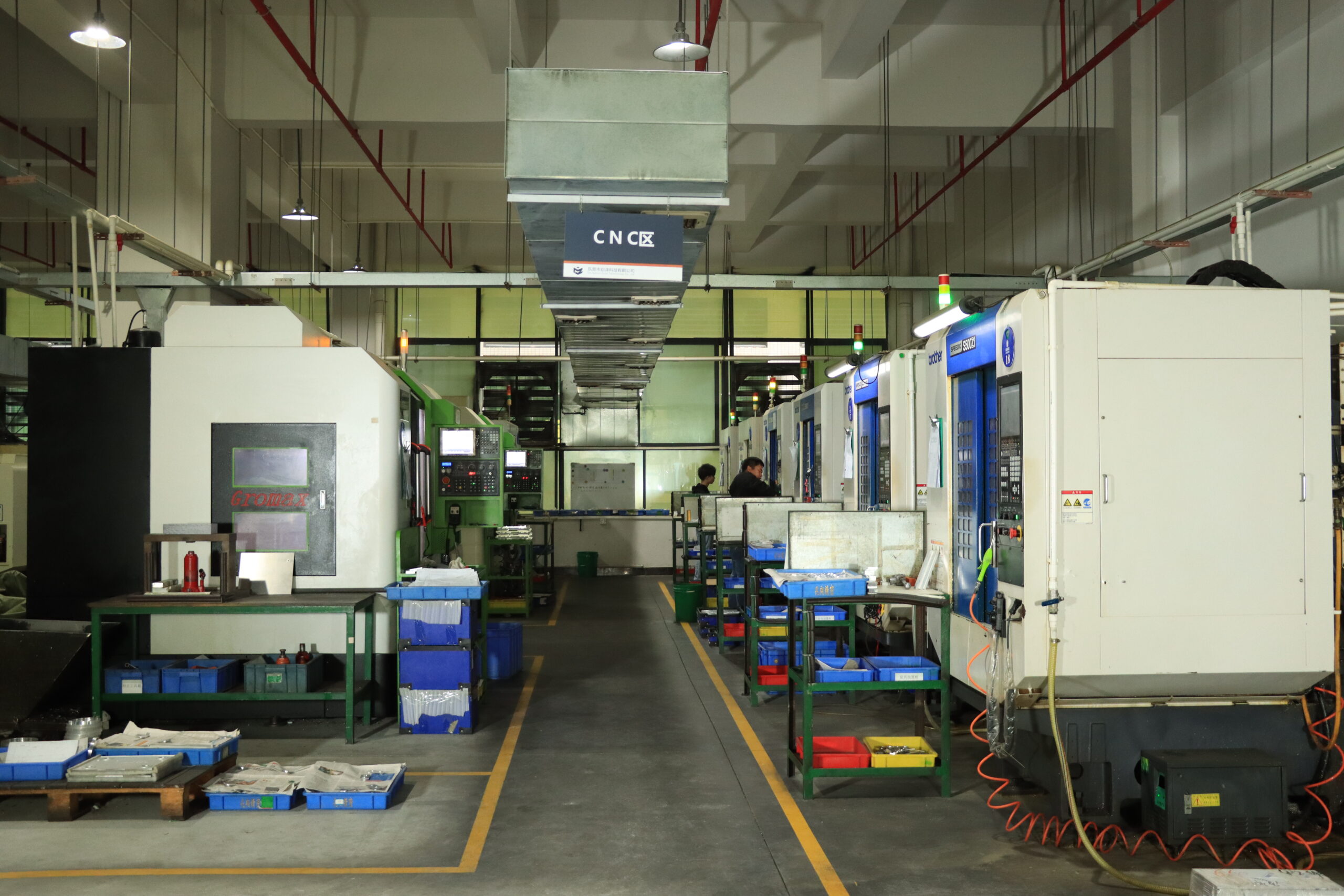
...

Prototyping vs. Mass Production: Tailoring Our CNC Services to Your Needs?

November 20, 2025

Creating the perfect metal component can be challenging, but understanding when to prototype and when to move into mass production is crucial. This decision affects the cost, timeline, and overall success of the project.
Prototyping allows for testing and refinement of designs before full-scale production. Mass production focuses on efficient, large-scale replication of finalized designs using CNC technology.
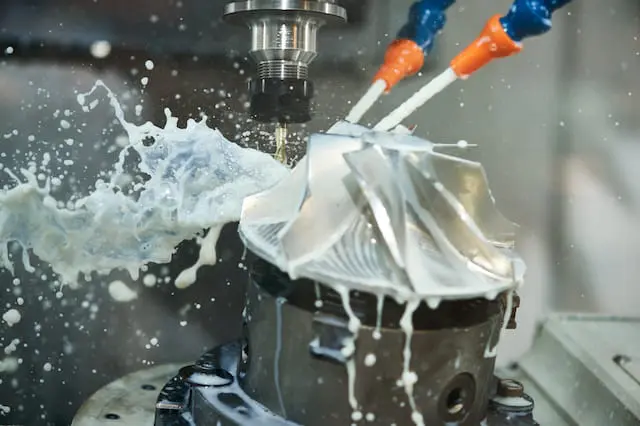
Prototyping vs. Mass Production

Navigating the transition between prototyping and mass production in CNC services can be confusing. Knowing when to prototype maximizes design efficiency while moving to mass production ensures scaled output—each phase calls for distinct strategies.

Why is prototyping essential for CNC projects?

Prototyping identifies design flaws and verifies functionality, reducing costly revisions later. It's the testing ground for innovations without committing resources prematurely.
Prototyping involves creating a small batch to test design integrity. It’s critical for ensuring design accuracy and functionality before mass production, minimizing costly errors later.
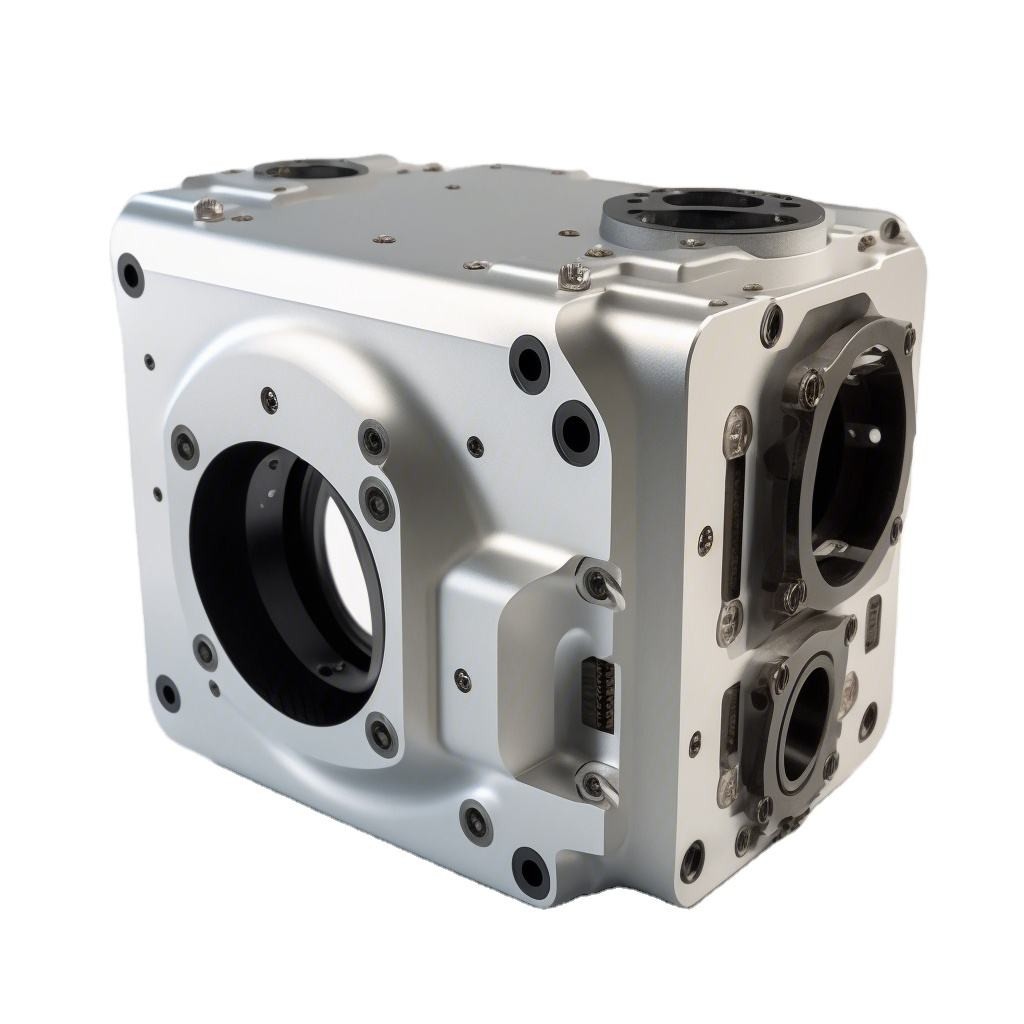
CNC Prototyping

When starting a CNC project, initiating with a prototype helps piece out design possibilities and constraints. This phase allows developers to test materials, mechanics, and aesthetics. CNC prototyping can uncover potential issues or improvements, ensuring the final product meets expectations. With CNC technology, modifications and adjustments become an agile process—refining designs before committing to full-scale production.

How does mass production optimize CNC efficiency?

Mass production in CNC guarantees consistency, cost-efficiency, and scalability. It’s about producing uniform parts quickly and reliably.
Mass production uses established CNC processes to create large quantities of precise parts, enhancing efficiency while reducing unit costs and maintaining high quality.
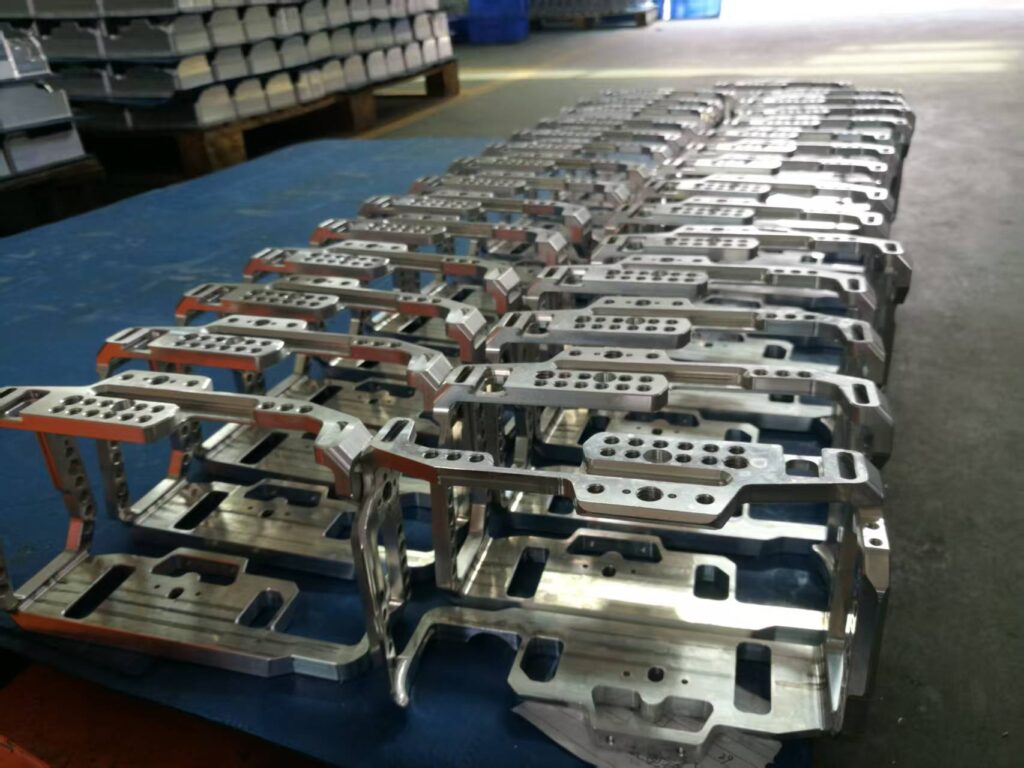
CNC Mass Production

Once a prototype is refined, transitioning to mass production is seamless with CNC technology. By using automation and precision machining, manufacturers can produce large volumes of components efficiently. The emphasis lies in maximizing throughput while maintaining strict quality standards, ensuring each piece adheres to original design specifications. CNC mass production supports scalability—easily adjusting for higher output demands while ensuring budget compliance and time efficiency.

How do we tailor CNC services to meet diverse needs?

Understanding client-specific requirements helps customize CNC strategies—prototyping involves creating custom designs, while mass production focuses on reproducing perfected models.
Tailoring involves adapting CNC methods to fit project goals, from initial design creation in prototyping to structured replication in mass production, ensuring alignment with client objectives.
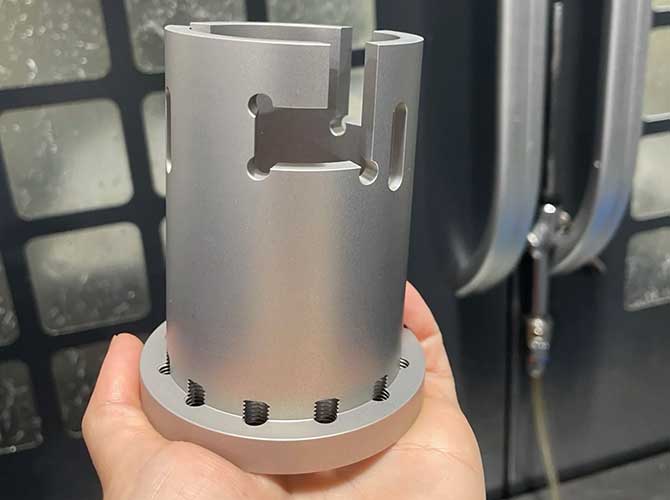
Tailoring CNC Services

Customization is key to meeting varied project goals within CNC services. During the prototyping phase, unique designs and material choices are explored and adjusted based on feedback and testing. On transitioning to mass production, standardizing processes ensures efficient scalability without compromising quality. Our approach involves collaboration with clients, precisely tailoring CNC techniques to suit their product, budget, and timeline needs. We aim to align every phase with project success, embracing flexibility and innovation.

Conclusion

Choose prototyping for design refinement, and mass production for efficiency and consistency—each phase aligns with your specific CNC project needs.

You may also be interested in:

5 Questions to Ask Every CNC Machining Supplier Before You Order?

5 Questions to Ask Every CNC Machining Supplier Before You Order?

Choosing the right CNC machining supplier can be overwhelming given the intricacies involved. To ensure a successful partnership, it's essential to ask key questions about their capabilities, quality control, and

Beyond the Machine: The Role of the Machinist in Precision Manufacturing?

Beyond the Machine: The Role of the Machinist in Precision Manufacturing?

Precision manufacturing fascinates many with its intricate balance between artistry and engineering. But what about the machinists who make it all happen? A machinist plays a crucial role in ensuring

How to Prepare a Perfect Technical Drawing for Your CNC Supplier?

How to Prepare a Perfect Technical Drawing for Your CNC Supplier?

Creating the perfect technical drawing can feel overwhelming. Ensuring clarity and precision can make or break your project. The perfect technical drawing for CNC suppliers includes precise dimensions, clear annotations,

Choosing the Right CNC Material for Corrosion Resistance?

Choosing the Right CNC Material for Corrosion Resistance?

Corrosion can destroy machines, leading to costly repairs and downtime. This is why picking the right CNC material for corrosion resistance is crucial. Selecting the right CNC material ensures long-lasting

How to Reduce the Cost of Your CNC Machined Parts Without Sacrificing Quality?

How to Reduce the Cost of Your CNC Machined Parts Without Sacrificing Quality?

Maximizing quality while minimizing costs can feel overwhelming in CNC machining. What strategies can help achieve this balance without compromising on excellence? Reducing the cost of CNC machined parts without

A Guide to Designing Effective CNC Machining Tolerances

A Guide to Designing Effective CNC Machining Tolerances

Precision is at the heart of CNC machining and designing with the right tolerances can make or break your project. Get it wrong, and the parts might not fit or

How to Design for Manufacturability (DFM) in CNC Machining?

How to Design for Manufacturability (DFM) in CNC Machining?

Struggling with production inefficiencies and high costs in CNC machining? Embracing DFM can turn these problems around by optimizing designs for smoother manufacturing processes. Design for Manufacturability (DFM) in CNC

Statistical Process Control (SPC) in CNC Machining: Ensuring Consistency Batch After Batch?

Statistical Process Control (SPC) in CNC Machining: Ensuring Consistency Batch After Batch?

Inconsistent results in CNC machining can lead to serious setbacks. Achieving batch consistency is crucial for quality and reputation. SPC provides a systematic approach to ensure reliable production. Statistical Process

First Article Inspection (FAI): Why It's the Foundation of Part Quality?

First Article Inspection (FAI): Why It's the Foundation of Part Quality?

CNC Machining quality issues can undermine even the most promising designs. This is where First Article Inspection (FAI) steps in as a vital checkpoint. First Article Inspection (FAI) is a

How We Control Quality in Every CNC Component: A 10-Step Checklist

How We Control Quality in Every CNC Component: A 10-Step Checklist

Ensuring top-quality CNC components is a complex task. Curious about the rigorous process that guarantees excellence? Our 10-step checklist for CNC component quality control involves detailed inspections, material verification, precision

Seraphinite AcceleratorOptimized by Seraphinite Accelerator
Turns on site high speed to be attractive for people and search engines.