Inconsistent results in CNC machining can lead to serious setbacks. Achieving batch consistency is crucial for quality and reputation. SPC provides a systematic approach to ensure reliable production.
Statistical Process Control (SPC) in CNC machining involves using statistical methods to monitor and control processes. It detects variations in production, ensuring consistent quality and performance across batches.
Understanding SPC is essential in manufacturing for maintaining high standards. This process not only detects deviations but also helps identify the root causes. Let's explore further how SPC enhances machining consistency.
Why is SPC crucial in CNC machining?
Without proper control, even minor deviations can cause defects. SPC mitigates these risks by providing real-time process insights.
SPC is crucial in CNC machining as it monitors process variations, ensuring that production remains within predefined limits. It enhances product quality and reduces waste, supporting efficient manufacturing operations.
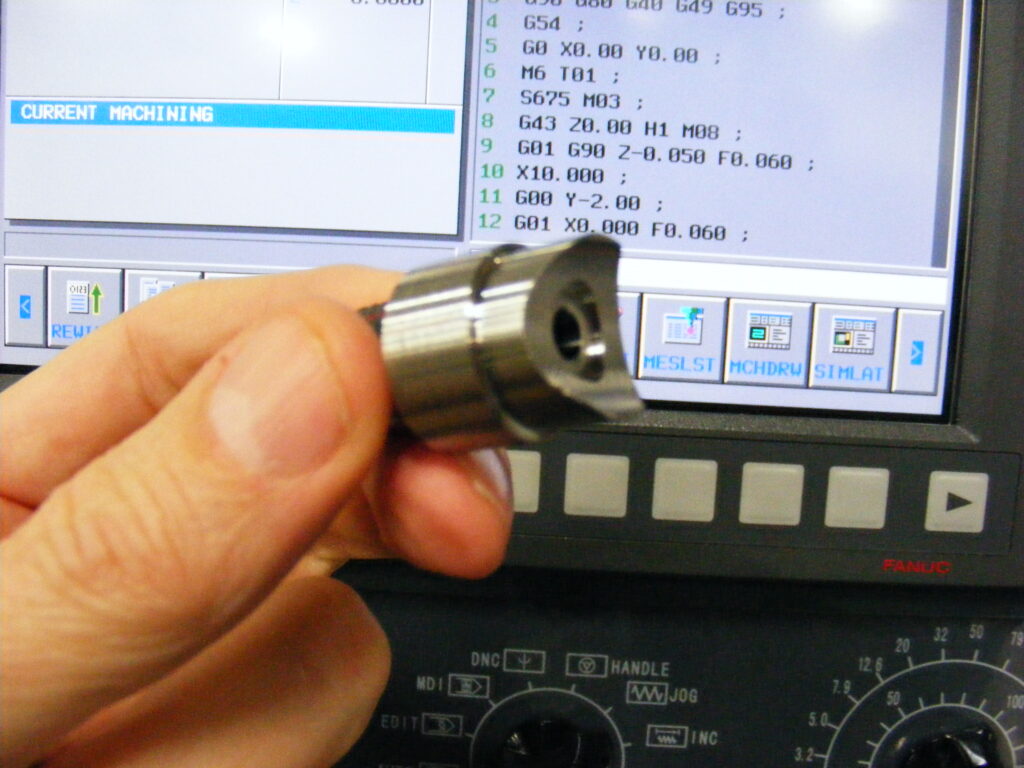
SPC focuses on identifying variations within the production process. By using control charts and statistical tools, it tracks any deviations from the norm. When a deviation occurs, engineers can quickly address it before it leads to significant issues. This proactive approach minimizes defects and maximizes efficiency. It’s like having a constant quality check without disrupting the workflow.
How does SPC maintain consistency in manufacturing?
Ensuring every batch is identical is vital for customer satisfaction. SPC provides tools to maintain this consistency effectively.
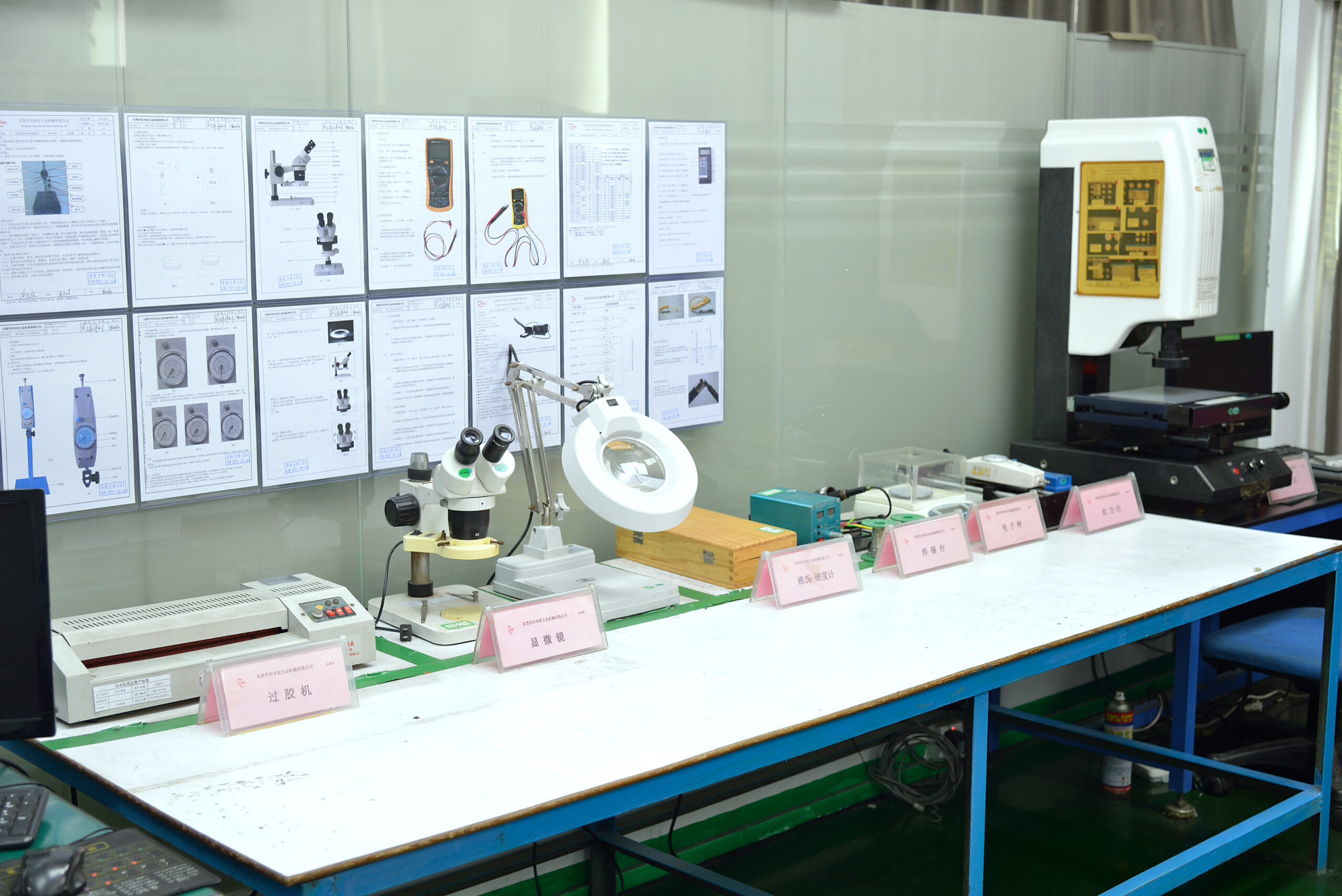
SPC maintains consistency by continuously monitoring production processes. Sampling and Measurement: The machine does not stop to perform a full measurement on every single part it produces (as that would be too time-consuming). Instead, at regular intervals (for example, every hour), a few samples of newly machined parts are taken from the production line for measurement.It identifies variations early, allowing timely interventions and adjustments, ensuring each batch meets quality standards.

Imagine SPC charts as health monitors for the production line. They track and report any anomalies, allowing technicians to act quickly. This consistency leads to fewer returns and increased customer trust. Implementing SPC reduces the need for extensive inspections, saving time and resources. By focusing on trends and patterns, it ensures that variations are addressed promptly, maintaining consistent outputs.
What tools does SPC use in CNC machining?
Monitoring without the right tools is inefficient. SPC employs specific tools to guarantee process reliability.
SPC uses tools like control charts, histograms, and Pareto charts to track and analyze process data. These tools provide actionable insights that help in making informed decisions and maintaining process stability.
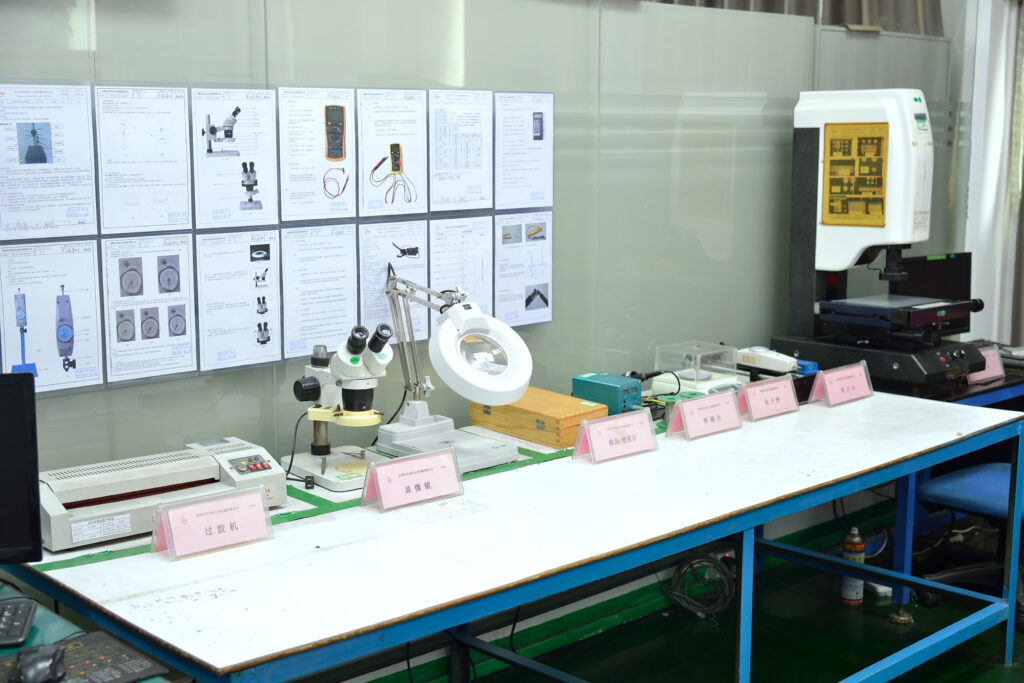
Control charts are the backbone of SPC, displaying data over time and highlighting deviations from expected norms. Histograms show the frequency distribution, and Pareto charts identify significant factors affecting production. By analyzing these tools, you can easily pinpoint problem areas. Knowing where to focus your efforts optimizes processes and reduces defects, ensuring a smoother production flow.
How can SPC improve efficiency in CNC machining?
Time and resource management are crucial in machining. SPC streamlines operations, leading to better efficiency and performance.
SPC improves efficiency by providing real-time insights into process performance, reducing downtime and defects. It allows for smarter resource allocation and enhances overall productivity.
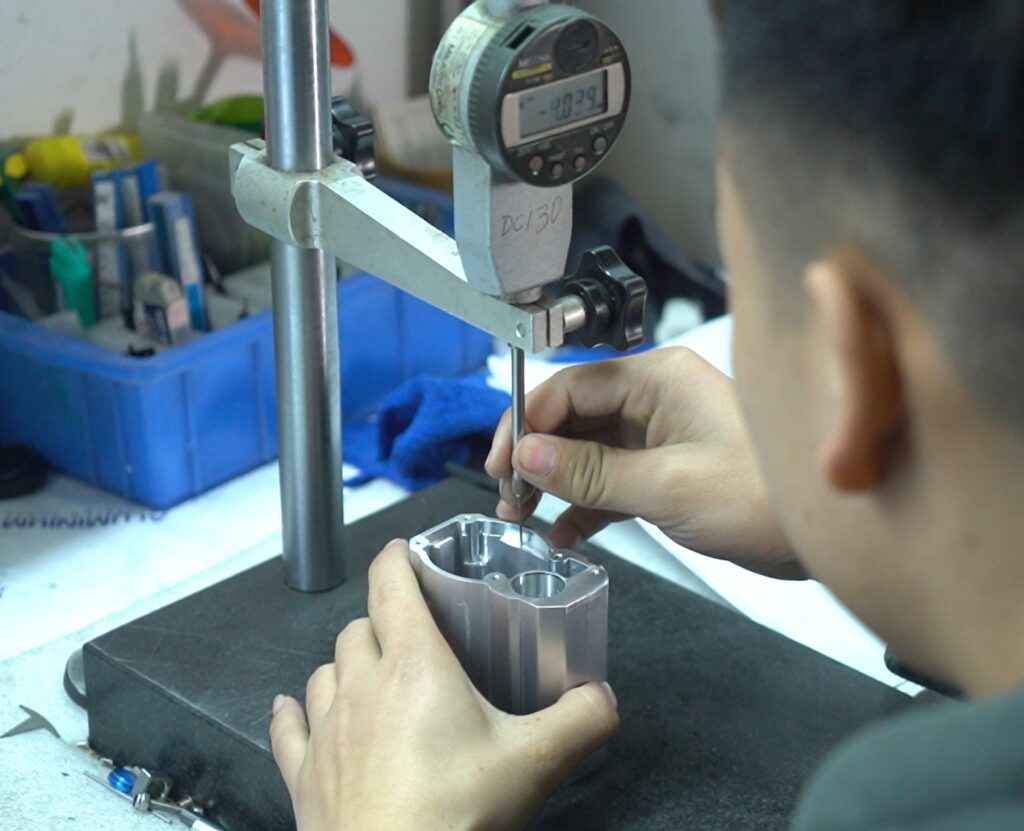
By identifying variations early, SPC reduces unnecessary interventions. It prevents the need for extensive inspections and corrections, thereby enhancing throughput. Using SPC, manufacturers can optimize scheduling and resource use, reducing waste and improving delivery times. This efficiency translates into cost savings and higher competitiveness in the market. The ability to produce high-quality batches consistently boosts overall satisfaction and long-term success.
Conclusion
SPC in CNC machining ensures consistent, high-quality production, enhancing efficiency and minimizing defects. It’s an essential strategy for maintaining competitive advantage.