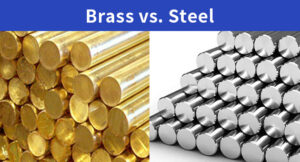
CNC turning technology has revolutionized precision manufacturing, offering unparalleled accuracy. But how does it achieve such precision for bushings and shafts?
CNC turning achieves remarkable precision for bushings and shafts by utilizing computer-controlled machinery that precisely shapes materials through rotational motion. This allows for consistent accuracy and repeatability, essential for high-quality components.
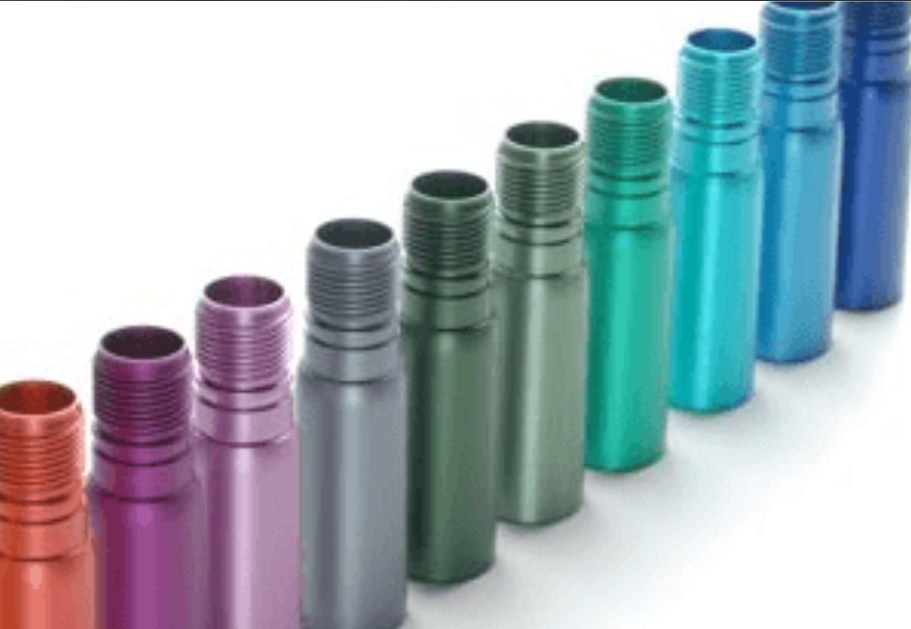
As a seasoned product and hardware designer, I prioritize accuracy in every project. The precision of CNC turning is due to its ability to follow exact specifications, minimizing errors and ensuring reliability. These factors are crucial, especially when creating components like bushings and shafts that require exactness to function correctly. Let's delve into the specifics of CNC turning to see how it maintains top-notch precision.
How Does the CNC Turning Process Achieve Such Remarkable Precision for Bushings and Shafts?
CNC turning streamlines the manufacturing of components, focusing on consistency and perfection. Yet, what makes this process so precise?
CNC turning achieves its precision through automatic control systems that convert design blueprints into precise movements, allowing for uniform, flawless manufacturing of bushings and shafts from start to end.
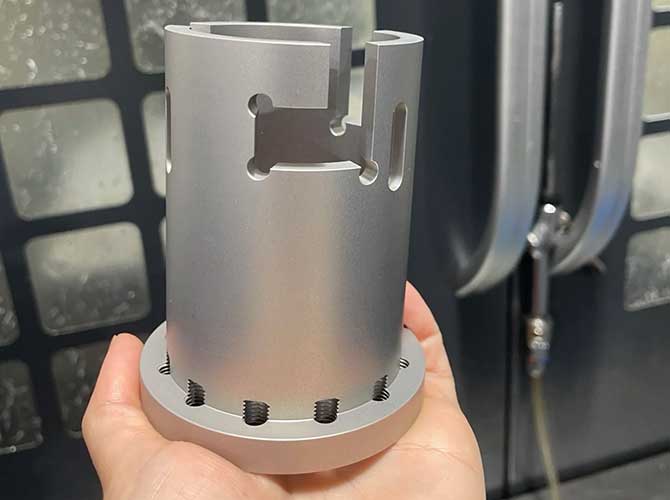
In my experience, the magic of CNC turning lies in its automation. By eliminating manual errors, CNC machines ensure that each piece produced matches the exact design requirements. The quality of the final product is consistent across every batch, ensuring reliability and performance. Additionally, the precision of CNC turning translates directly to better product performance, crucial for parts like bushings and shafts.
Which Materials Are Best Suited for CNC Turned Bushings and Shafts, and How Do You Choose?
Selecting the right material for CNC turning impacts the durability and functionality of the final product. But which materials are ideal for bushings and shafts?
Materials like stainless steel, brass, aluminum, and certain polymers are best for CNC turned bushings and shafts. Selection depends on factors such as strength, thermal properties, and cost-efficiency.
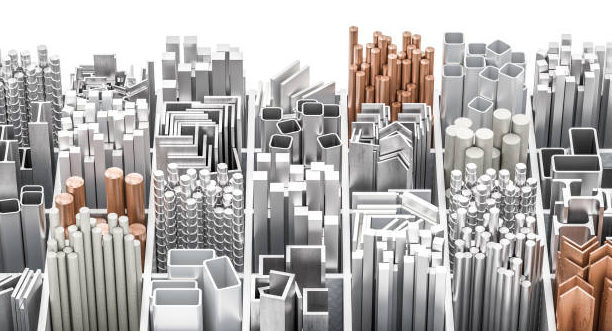
From my experience, choosing the right material starts with understanding the application's demands. Stainless steel offers durability, aluminum provides lightweight properties, while brass adds corrosion resistance. When selecting materials, consider the working environment, required strength, and budget constraints. This approach ensures the longevity and performance of the bushings and shafts.
What Tolerances and Surface Finishes Can You Expect with CNC Turned Bushings and Shafts?
Precision in production is not just about size but also includes surface quality. What can you expect with CNC turned products?
With CNC turning, you can expect tolerances as tight as ±0.01 mm and surface finishes down to 0.8 µm, which ensure smooth operation and minimal friction in bushings and shafts.
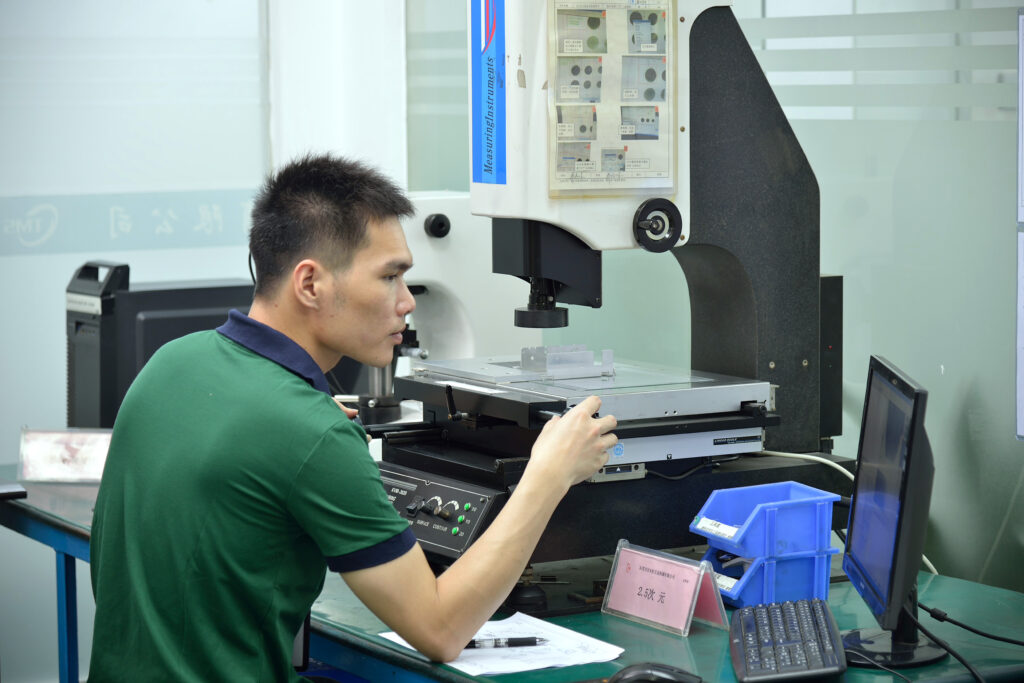
Understanding the importance of tolerance and finish in CNC turning has been crucial in my projects. Tighter tolerances mean components fit better, reducing wear and improving functionality. High-quality surface finishes lead to smoother interactions between parts, reducing stress points and prolonging life. Always factor these into your design requirements for optimal results.
Why is CNC Turning the Cost-Effective Solution for Both Prototype and High-Volume Production?
Cost efficiency is vital in manufacturing, but how does CNC turning offer this for both small and large production runs?
CNC turning is cost-effective due to its high precision, automation, and adaptability, reducing waste and labor costs while accommodating both prototype and high-volume production efficiently.
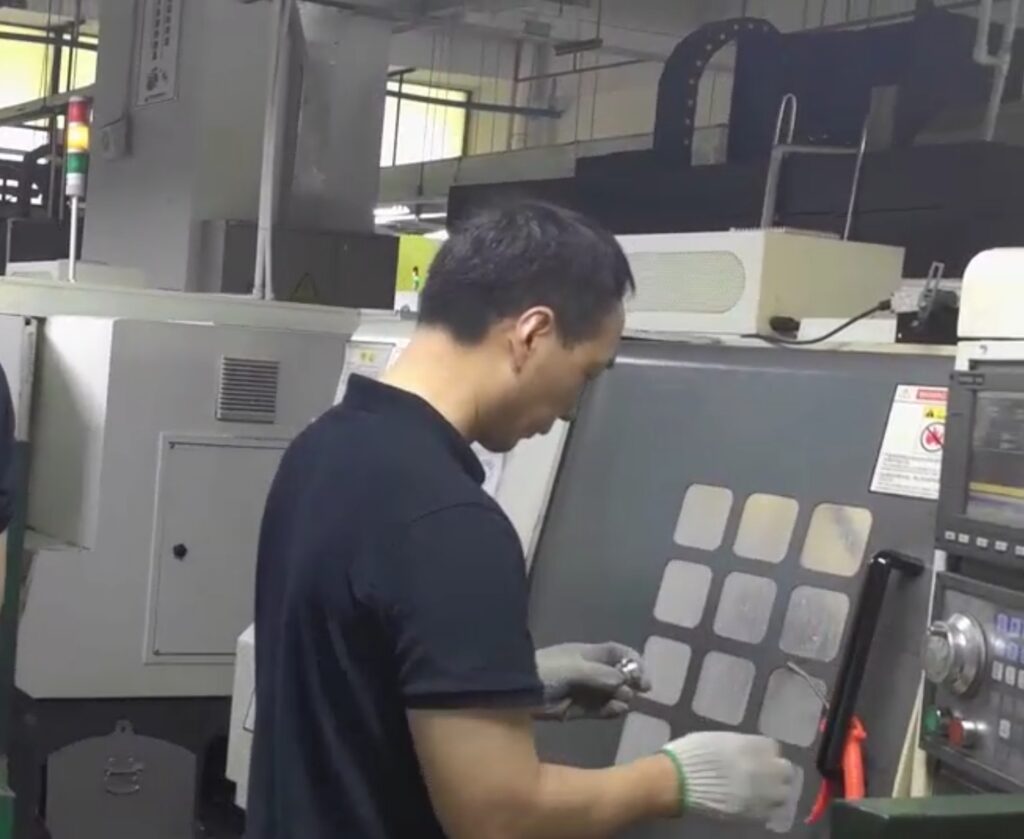
In my practice, adopting CNC turning for projects has consistently proven advantageous. Its precision reduces the need for rework, saving time and resources. Moreover, its scalability is beneficial for various production sizes without compromising quality. This versatility makes it an indispensable part of modern manufacturing, especially for components like bushings and shafts that demand precision and efficiency.
Conclusion
Understanding the role of CNC turning can significantly enhance your manufacturing process, ensuring precision, efficiency, and cost-effectiveness for bushings and shafts.