
Precision matters in manufacturing bushings and shafts. CNC turning plays a critical role, ensuring these components meet exact specifications and perform reliably.
CNC turning provides accuracy in producing bushings and shafts, allowing for detailed control over dimensions and finishes, essential for high-performance applications.
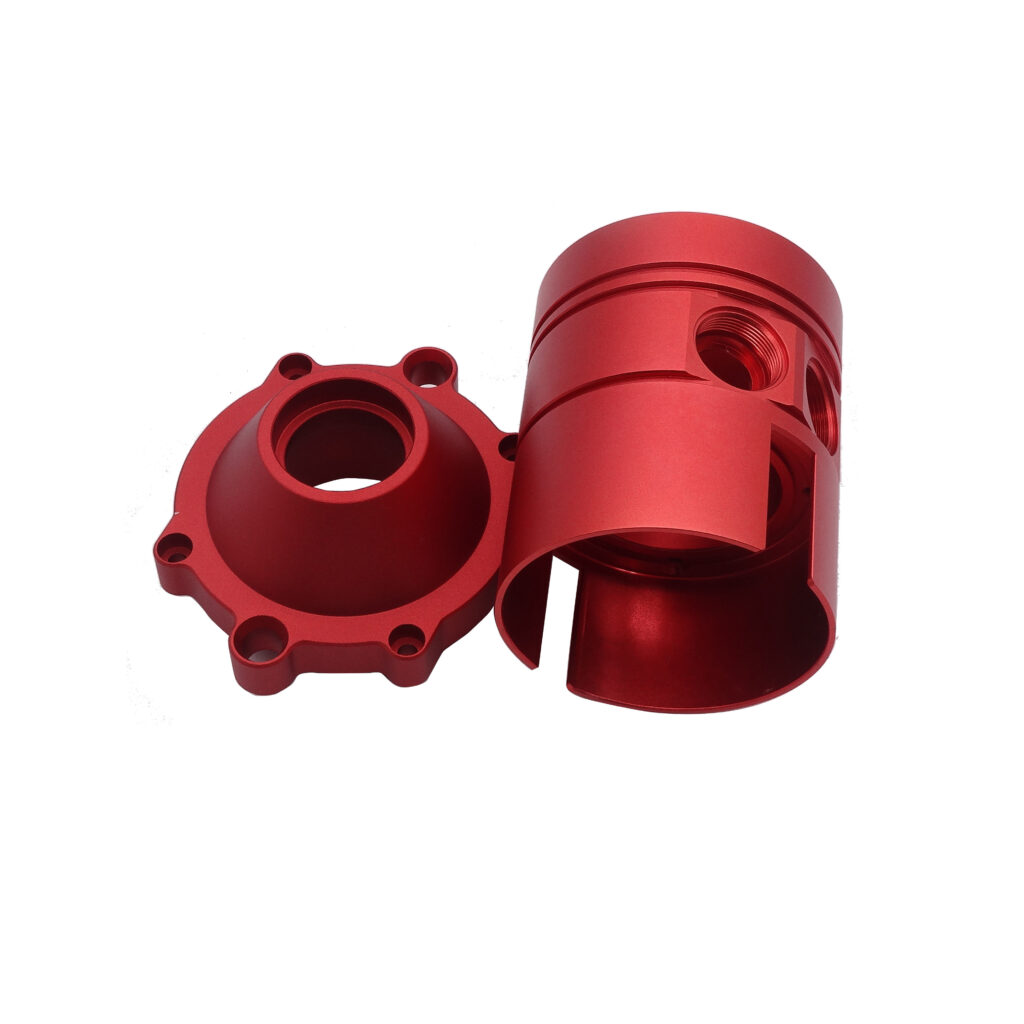
Using CNC turning for bushings and shafts enhances quality. Let's explore how this technology guarantees precision and reliability.
How does CNC turning achieve precision in bushings?
Bushings require precise dimensions for seamless function. CNC turning ensures this accuracy, minimizing variances and improving overall performance.Our CNC operates to check each component's dimension to make sure no one is out of tolerance.
CNC turning achieves precision in bushings through detailed programming and precise control, ensuring each piece adheres to strict specifications for optimal performance.
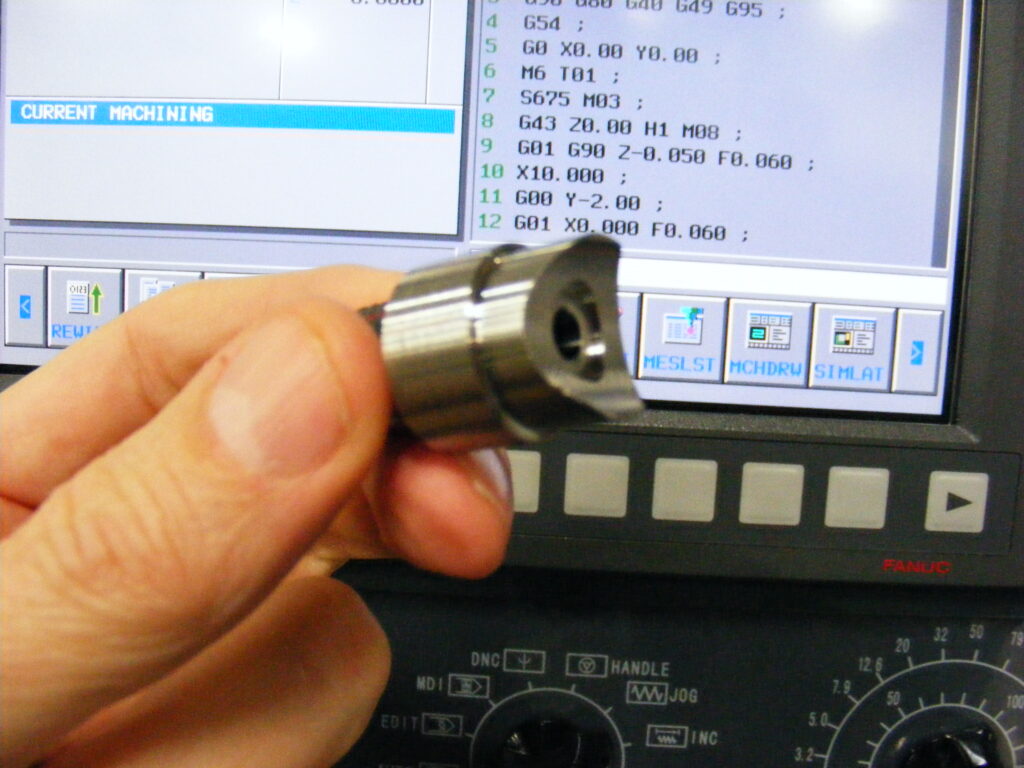
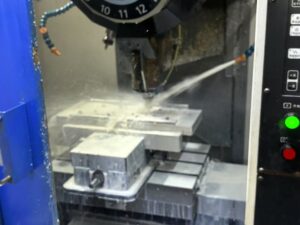
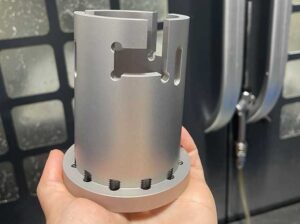
Bushings serve as critical components that support and reduce friction between moving parts. CNC turning is essential for producing bushings with exact tolerances. The process involves rotating the workpiece against cutting tools, shaped according to precise programming. This method offers exceptional control over the final product's dimensions and surface finish. The result is bushings that maintain consistent performance under stress, reducing wear and tear. With CNC turning, adjustments are quick and errors minimized, ensuring each batch of bushings maintains high standards of precision and reliability.
Why are shafts reliant on CNC turning technology?
Shafts need accuracy for effective power transmission. CNC turning offers the necessary precision to produce reliable shafts that function as intended.
CNC turning is crucial for shafts, providing the precision required to maintain dimensional integrity and ensuring reliable power transmission in various applications.
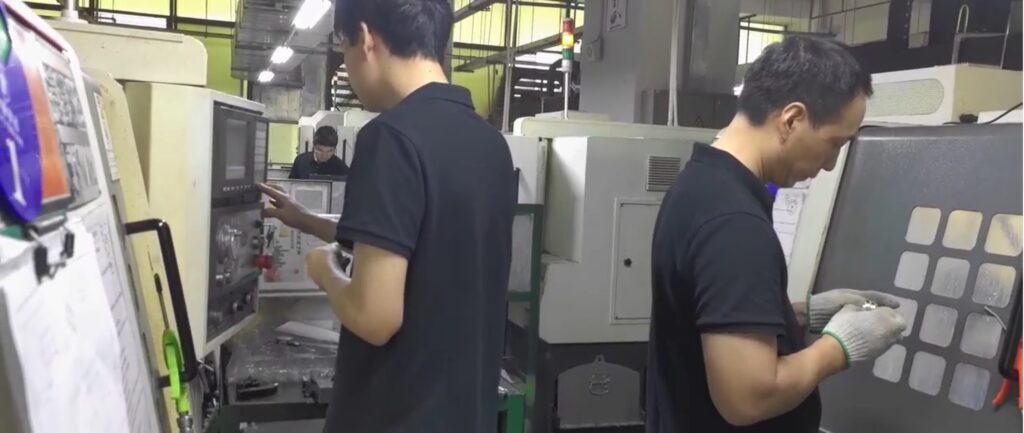
Shafts are vital for transmitting rotary motion, making precision essential. CNC turning technology ensures shafts meet required specifications for length, diameter, and surface finish. The process uses advanced machinery to craft complex geometries, crucial for shafts functioning correctly in engines, turbines, and other equipment. CNC turning minimizes deviations, maintaining consistency across batches. This consistency ensures each shaft performs optimally, reducing wear and extending lifespan. Given the importance of reliable power transmission, the precision offered by CNC turning is indispensable for shaft production, enhancing quality and durability.
How does CNC turning optimize material use?
Material conservation boosts cost-efficiency. CNC turning maximizes material use, reducing waste and cutting costs without compromising quality.
CNC turning optimizes material use by precise machining, reducing waste and enhancing cost efficiency while maintaining quality and performance of bushings and shafts.
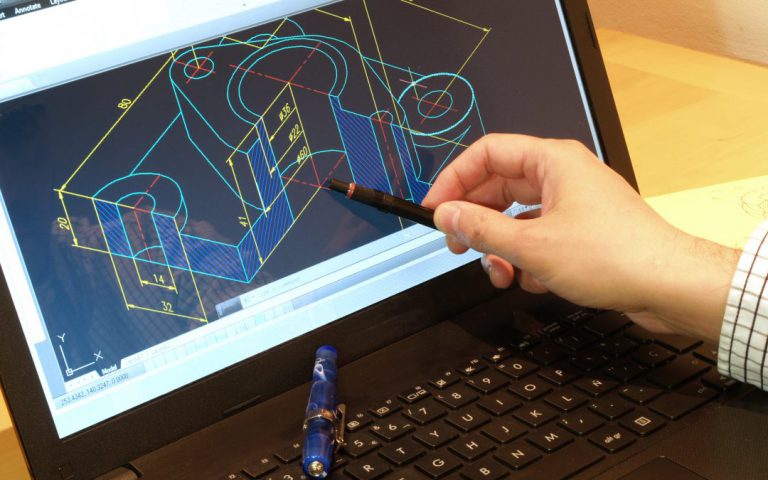
Material waste is a significant concern in manufacturing. CNC turning addresses this by employing efficient machining strategies. Precision programming ensures only necessary material is removed, leaving minimal scrap. This approach conserves resources and reduces costs without sacrificing quality. CNC machinery allows for more effective recycling processes, turning waste into reusable forms. Advanced turning techniques like groove turning and contouring further optimize material use, ensuring all parts of a bushing or shaft contribute to the final product's integrity. This efficiency translates into environmental benefits and a better bottom line.
Why is quality control integral to CNC turned products?
Quality guarantees performance. Robust quality control in CNC turning ensures bushings and shafts meet industry standards and application requirements.
Quality control is integral to CNC turned products, employing rigorous testing and inspection processes to ensure bushings and shafts meet high standards and specifications.
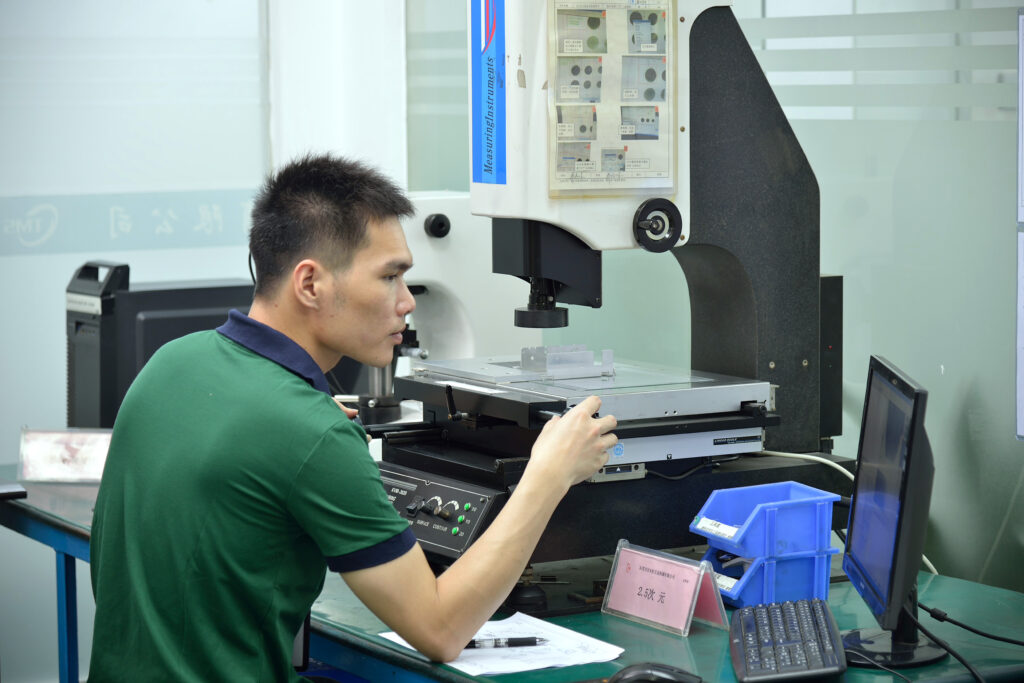
In CNC turning, maintaining quality is paramount. Each product undergoes stringent inspection to verify tolerances, finishes, and dimensional integrity. Techniques such as coordinate measuring machines (CMM) and digital calipers measure every component, confirming consistency and precision. These checks are crucial for bushings and shafts, which must operate under demanding conditions. Consistent quality control practices help identify defects early, preventing costly errors in manufacturing and application. By ensuring every turned product upholds high standards, CNC turning guarantees performance and reliability, reinforcing its role as a cornerstone in precision manufacturing.
Conclusion
CNC turning enhances precision, optimizes materials, and ensures quality control in producing bushings and shafts, underpinning reliable manufacturing processes.