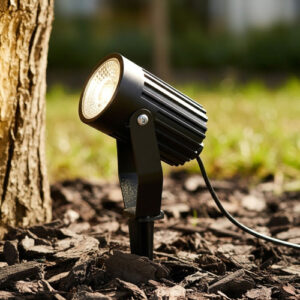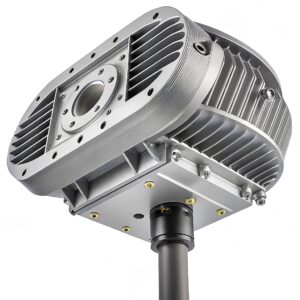
Choosing the right components for outdoor lighting is daunting. Balancing durability and design can be challenging.
Precision metal parts ensure outdoor lights withstand harsh conditions, providing long-lasting illumination with minimal maintenance. Their robust construction offers superior resistance to weather and wear.
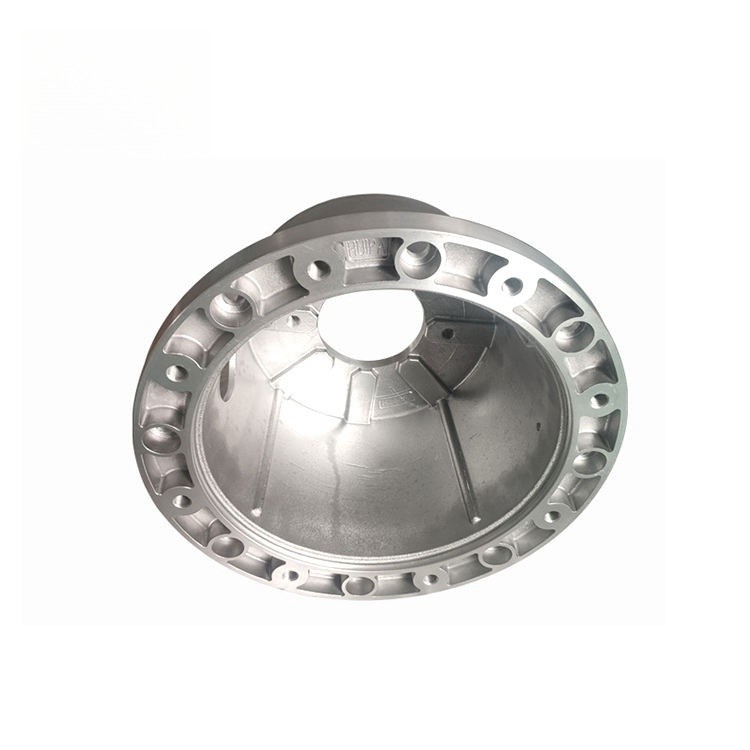
Understanding the intricacies of metal parts in outdoor lighting can transform how we think about durability and design.
Why is durability important for outdoor lighting?
Outdoor environments are harsh. Lights face extreme weather, demanding materials that can endure these conditions.
Durability in outdoor lighting means using materials that resist corrosion and withstand temperature variations. Precision metal parts are ideal for this purpose.
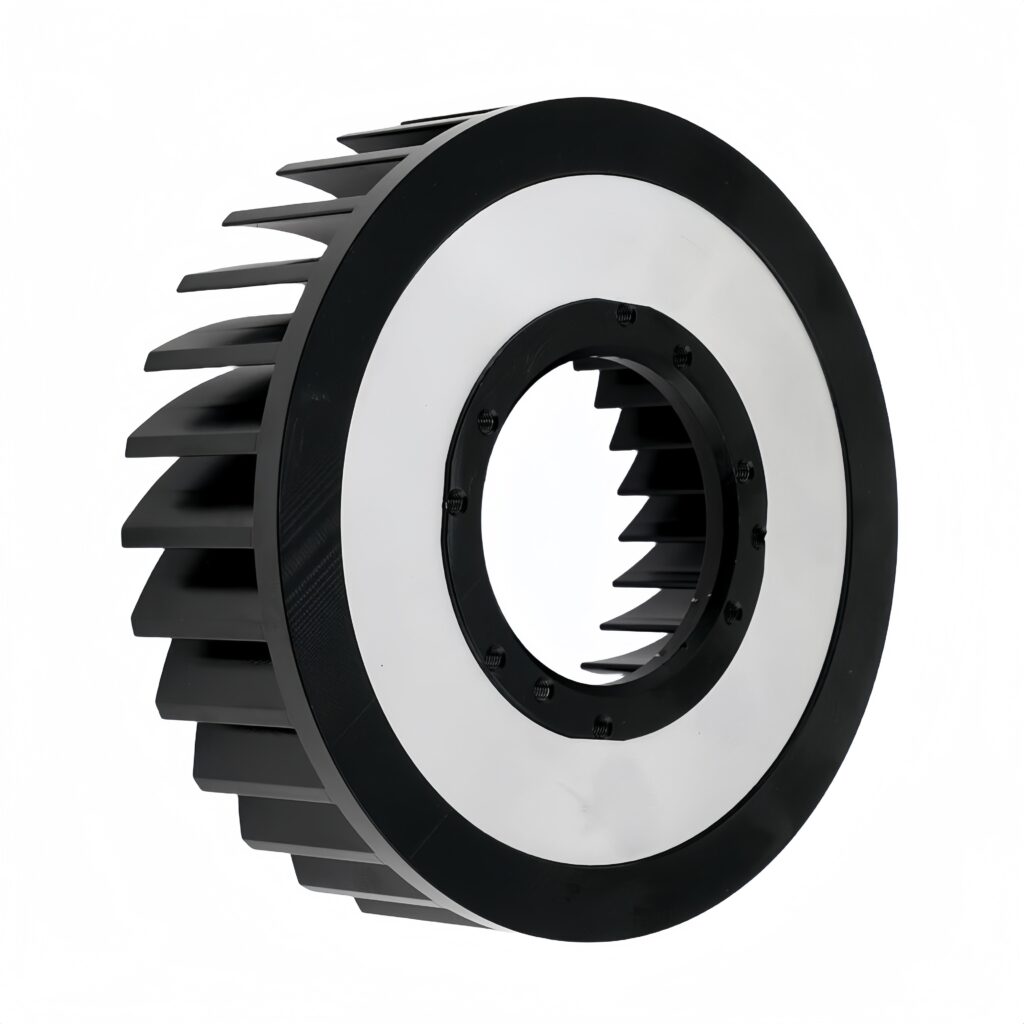
Exploring why durability matters involves understanding the challenges outdoor lighting systems face. These include exposure to moisture, temperature fluctuations, and mechanical stress. Metals like aluminum and stainless steel make excellent choices due to their strength and corrosion resistance. When designing outdoor lighting, considering environmental factors is crucial. Areas prone to heavy rain or high humidity require more robust materials. Additionally, choosing the right finish, such as anodizing or powder coating, helps enhance the metal’s resistance to environmental impacts. Prioritizing durability ensures outdoor lighting systems perform reliably over time, reducing maintenance costs.
How do precision metal parts enhance lighting design?
Achieving aesthetic appeal in outdoor lighting combines form with function. The key is precision.
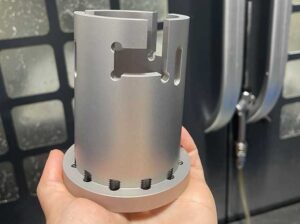
Precision metal parts allow for intricate designs without sacrificing stability or functionality, making them invaluable in lighting design.
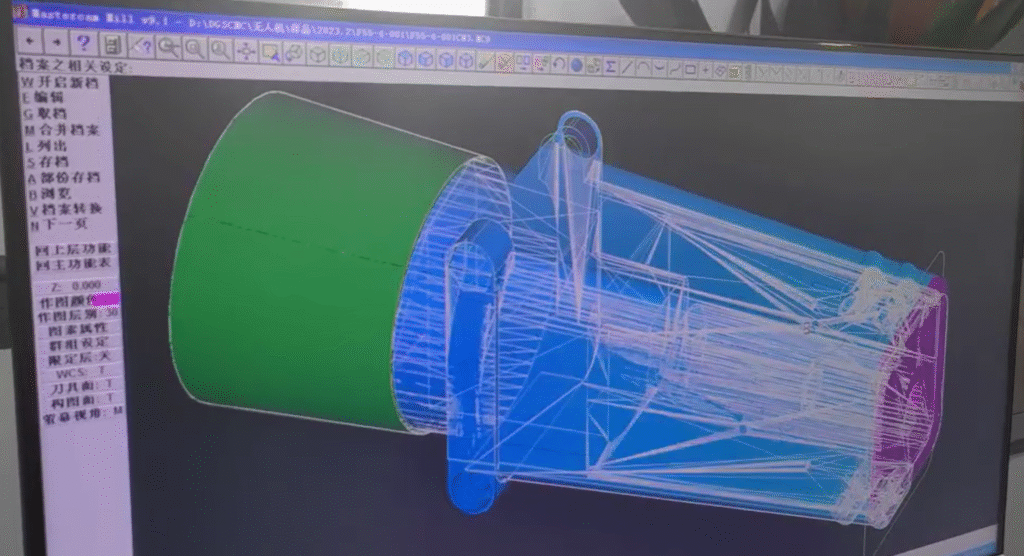
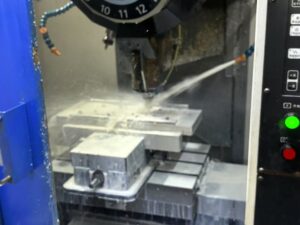
Delving deeper into the role of precision, we find that it enhances both design flexibility and structural integrity. This balance is essential for creating visually appealing and functional lighting fixtures. Precision in manufacturing ensures tight tolerances and accurate fits, crucial for the seamless assembly of components. This precision allows designers to explore complex geometries and intricate patterns, catering to various aesthetic preferences. Furthermore, the flexibility of metal fabrication techniques such as CNC machining and die-casting empowers designers to innovate while maintaining product integrity. Ultimately, precision metal parts offer the perfect blend of aesthetics and durability, improving outdoor lighting design.
What metal types are best for outdoor lighting?
Different metals suit different needs. Making the right choice impacts longevity and performance.
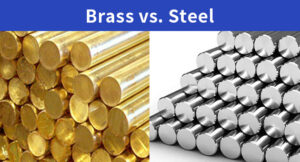
Stainless steel and aluminum are top contenders for outdoor lighting due to their strength and corrosion resistance.
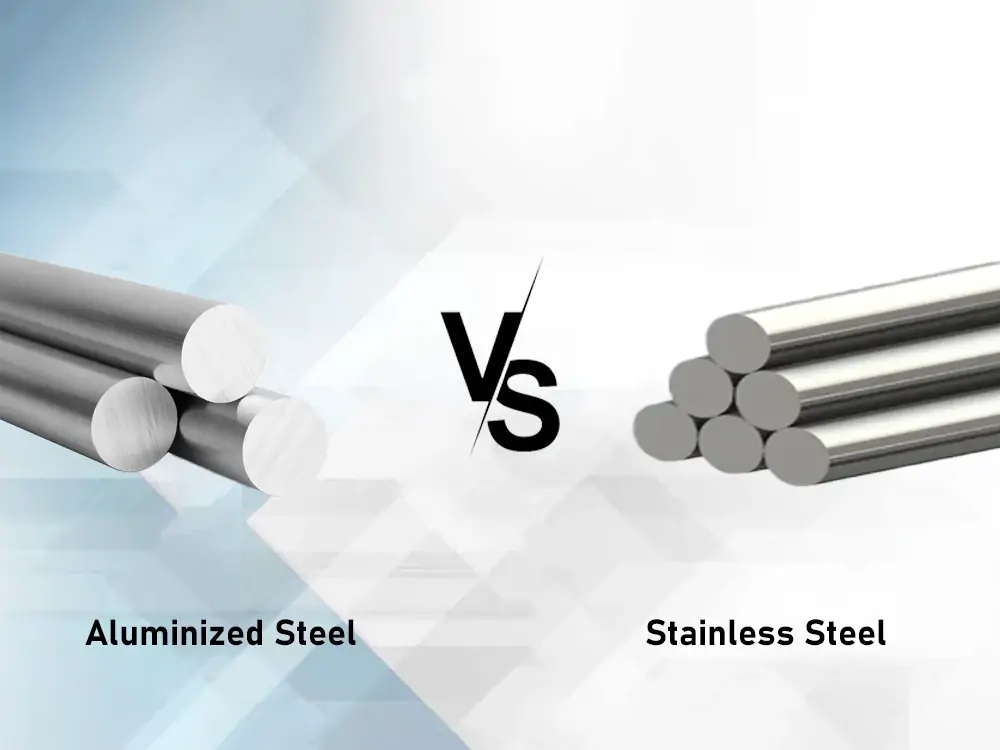
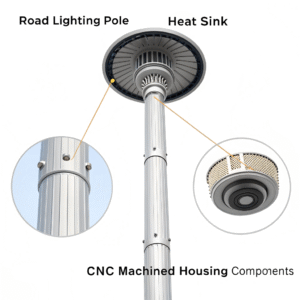
Let's break down the choice of metals and why they are well-suited for outdoor use. Aluminum's light weight and excellent corrosion resistance make it popular, especially in coastal environments. Its high thermal conductivity also improves heat dissipation, enhancing the efficiency of the lighting. Stainless steel, renowned for its mechanical robustness and aesthetic appeal, is ideal for areas demanding high structural integrity. The metal's naturally occurring chromium oxide layer prevents surface degradation, even in harsh environments. These properties make aluminum and stainless steel ideal for various outdoor lighting applications, combining practicality with efficiency.
How does precision manufacturing influence cost-efficiency?
Budget constraints can limit design. Efficiency helps maximize resources, ensuring quality isn’t compromised.
Precision manufacturing reduces waste and optimizes production, leading to cost-effective, high-quality outdoor lighting solutions.
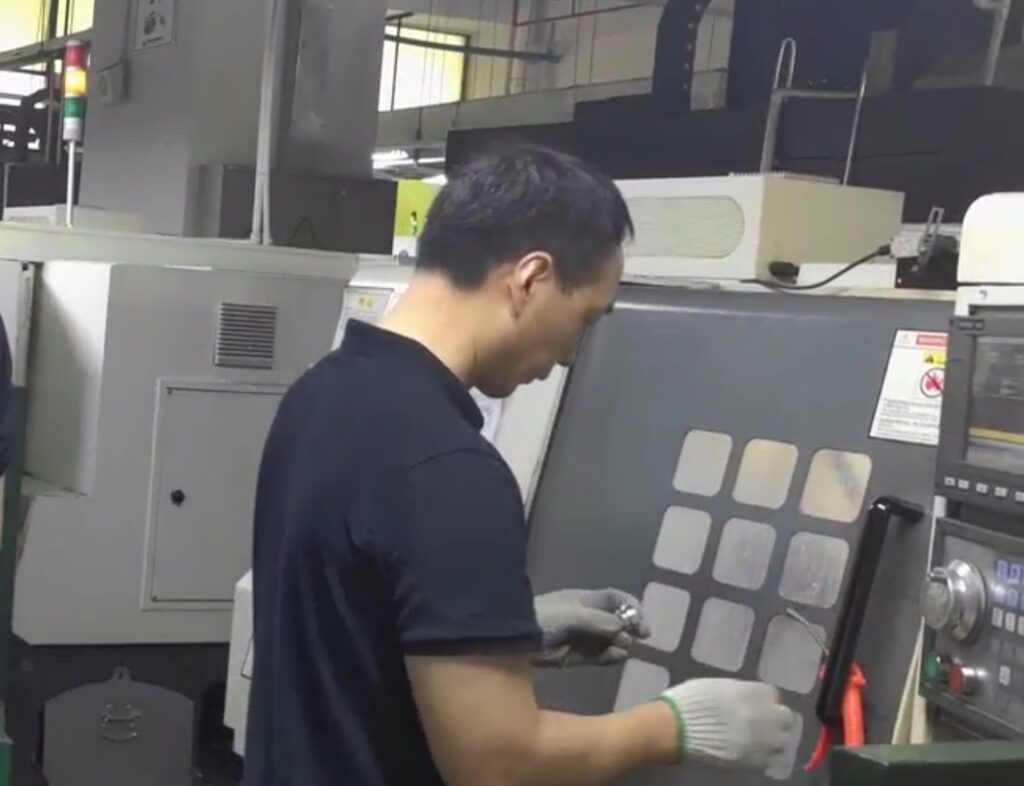
Analyzing how precision influences costs involves understanding production efficiency. By minimizing material waste and streamlining processes, precision manufacturing reduces overall production costs. Techniques like CNC machining offer high repeatability, ensuring consistent quality across large batches. This reliability minimizes errors and reduces the need for reworks, saving time and resources. Furthermore, precision processes often allow for the use of less material without compromising strength or durability. Ensuring components are made to exact specifications, facilitates interlocking and assembly, thus reducing labor and maintenance costs. All these factors contribute to creating more affordable and sustainable outdoor lighting solutions.
Conclusion
Precision metal parts are key in creating durable, efficient, and aesthetic outdoor lighting. They enhance performance while maintaining design appeal.