
In a world driven by precision, choosing the right CNC manufacturing partner can make or break your project. But how do you evaluate the true cost involved?
The true cost of a part involves more than just the initial quote. It includes quality, lead times, communication, and after-service support. Evaluating CNC partners requires a holistic approach.
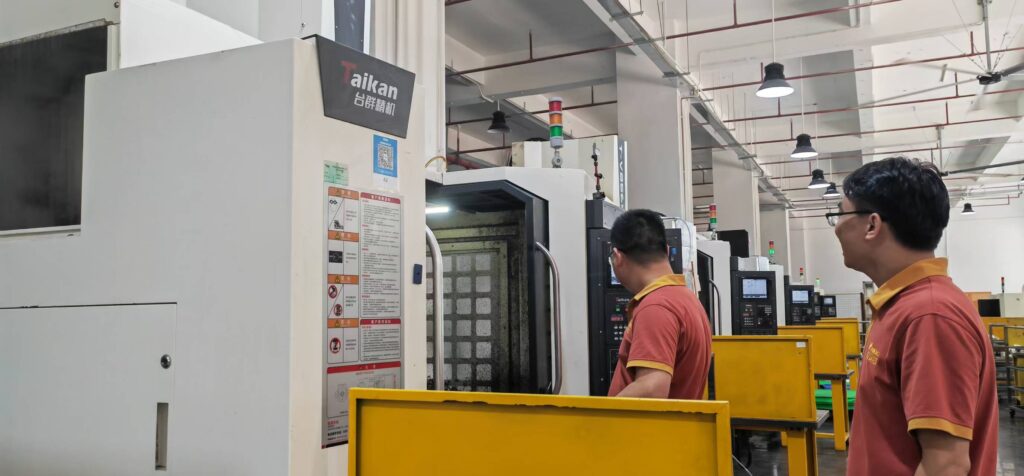
Quality and precision can drastically affect the end product and its market success. Cost is not just monetary—it's reputational, too.
How Does Quality Impact Cost?
High-quality manufacturing ensures fewer defects, reducing waste and rework. But what costs are often buried beneath the surface?
Quality impacts cost by minimizing errors and defects. High precision in CNC manufacturing increases efficiency and reduces waste, leading to overall lower expenses in the long run.
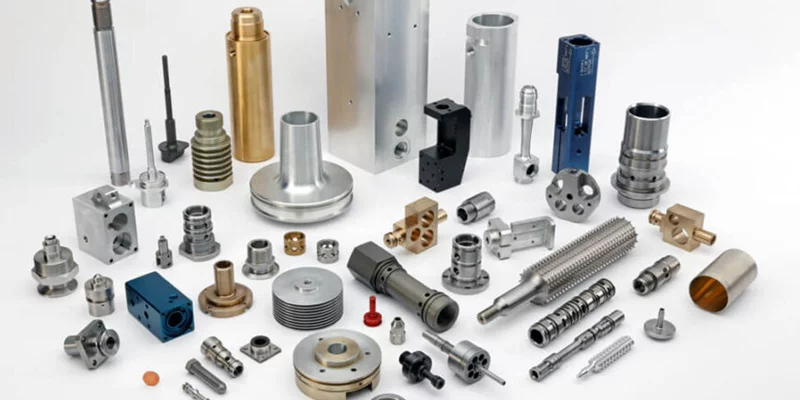
When evaluating CNC manufacturing partners, understanding their quality control processes is crucial. Inspection protocols, machinery condition, and operator expertise all play vital roles. By investing in quality, you often save on potential losses due to poor performance or returns. Using detailed comparison tables can help in selecting a partner that aligns with these values:
| Aspect | Low-Quality Partner | High-Quality Partner |
|---|---|---|
| Defects Rate | High | Low |
| Process Consistency | Inconsistent | Consistent |
| Rework Needs | Frequent | Rare |
| Long-Term Cost Impact | High due to inefficiencies | Lower due to precision |
Why is Transparency Important When Choosing a CNC Partner?
Clear communication and transparency build trust and prevent costly misunderstandings. But what does true transparency look like?
Transparency means having open communication, detailed quotations, and a willingness to address and resolve issues. It's crucial for building trust and ensuring smooth collaboration.
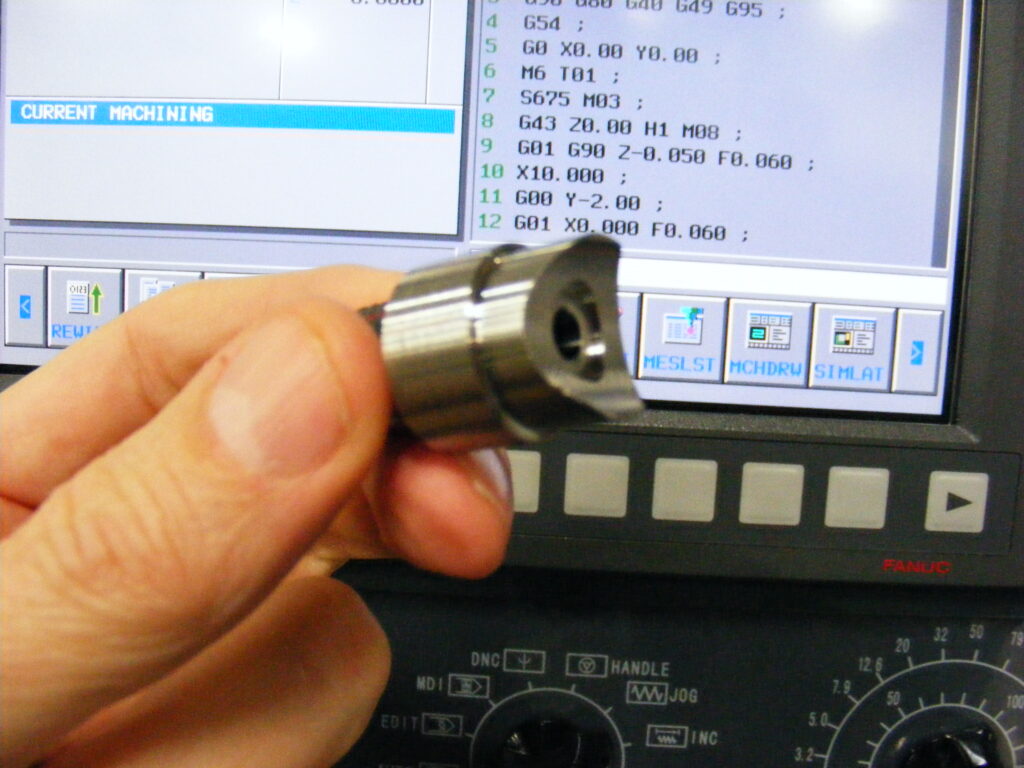
When selecting a partner, their ability to maintain transparent operations can save time and resources. Look for partners who openly share their processes, costs, and timelines. Open dialogue can prevent project delays and unexpected costs. Questions to consider include: Are their quotations clear? Do they provide insights into their manufacturing process? Can they adapt to unforeseen challenges effectively? Understanding these aspects can guide you in finding a reliable partner.
What Role Does Lead Time Play In Evaluating Costs?
Time is money, and lead times can significantly affect costs and market entry. How can you align expectations with capabilities?
Lead time is a critical factor in meeting market demands. Short lead times reduce inventory costs and increase competitiveness. Aligning timelines with CNC capabilities is vital.
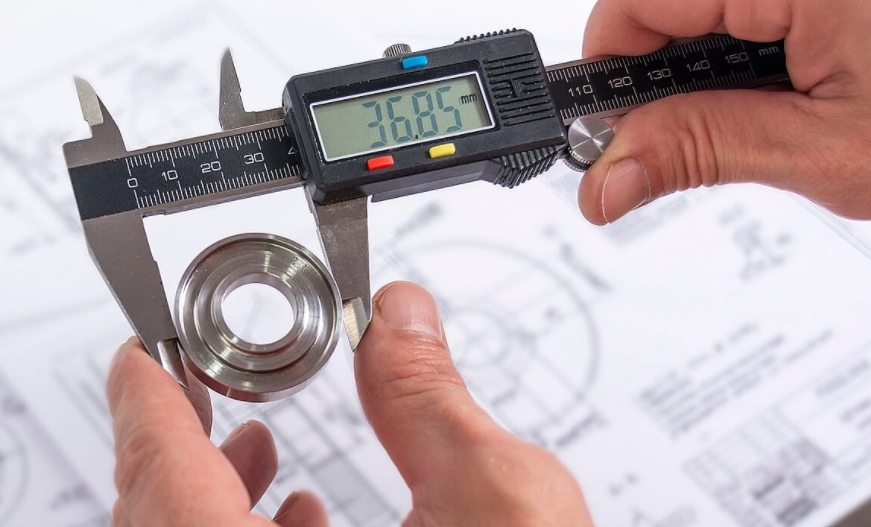
It's essential to assess a partner's ability to meet your deadlines without compromising quality. A firm's track record in timely delivery can offer insights into their operational efficiency. Questions to ask include: How do they handle rush orders? Are they flexible during peak demands? Who bears the cost of delays? Weighing these factors ensures that lead times align with project needs and budget constraints.
Conclusion
Evaluating CNC partners involves considering quality, transparency, and lead times, ensuring a seamless and cost-effective experience.