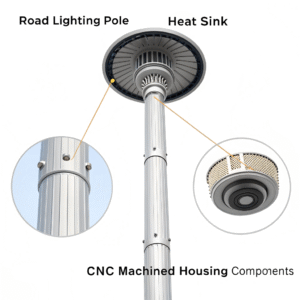

Handling excessive heat in high-power PCBs can be a designer’s nightmare. Heat sinks, crafted using CNC machining, emerge as a reliable solution to keep devices cool and efficient.
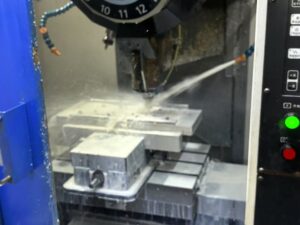
CNC machining ensures precision in shaping heat sinks, crucial for dissipating heat effectively in high-power PCBs. By efficiently transferring heat away, heat sinks maintain optimal performance and prevent damage.
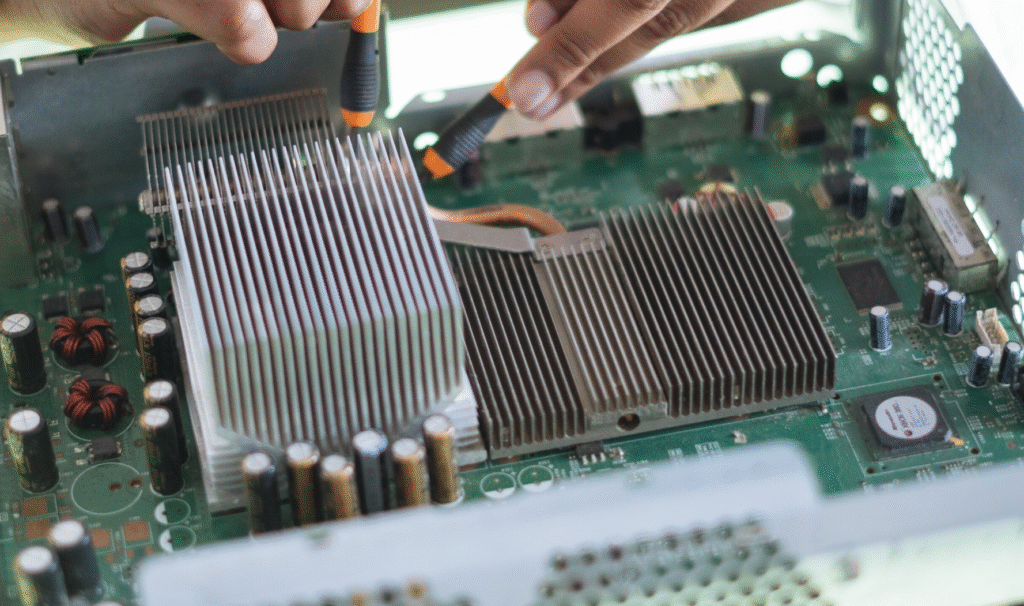
Heat management is critical, especially in high-performance electronics. Let’s delve into how CNC machining optimizes heat sinks and tackles thermal challenges in electronics design.
What makes CNC machining ideal for creating heat sinks?
Managing heat dissipation is essential as electronics power up. Problems arise when heat isn't managed effectively, causing failures. CNC machining offers an efficient solution.
CNC machining provides accuracy and flexibility required to fabricate complex heat sinks. These heat sinks possess enhanced thermal conductivity, which is vital for cooling high-power systems effectively.
Precision in Design
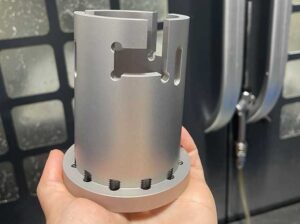
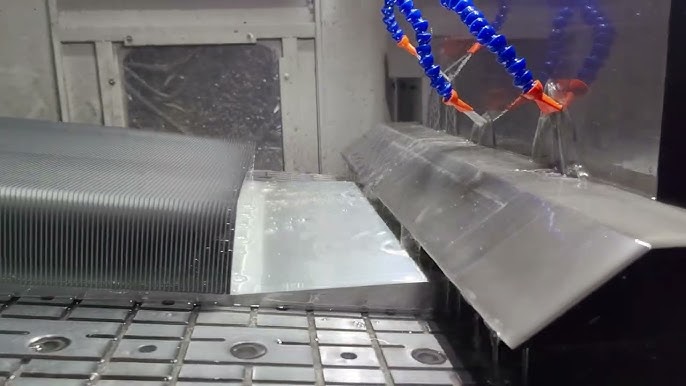
Heat sinks must fit within precise design parameters. CNC machining is unparalleled in its ability to create custom shapes and sizes tailored to specific PCB layouts. Unlike traditional methods, CNC machining maintains consistency, crucial in ensuring uniform heat distribution. This consistency is achieved through automated control systems that eliminate human error. The result? Heat sinks that perform accurately and extend device lifespan.
Material Selection
Debates often arise about the best materials for heat sinks. Aluminum and copper lead the choices. Their thermal properties differ—aluminum offers lightweight flexibility, while copper is superior in heat transfer. CNC machining adapts well to both, providing versatility in production. However, it’s important to balance material choice with cost-effectiveness, considering both heat dissipation needs and budget constraints.
How do complex geometries in CNC machined heat sinks improve cooling?
Designing intricate heat sinks comes with challenges. Overcome these with CNC machining, allowing for precise execution of complex structures.
Complex geometries maximize surface area, improving heat dissipation efficiency. CNC provides accuracy, ensuring each intricate design is executed flawlessly.
Enhanced Cooling Through Surface Area
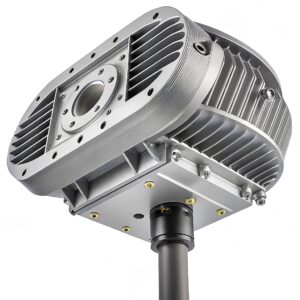
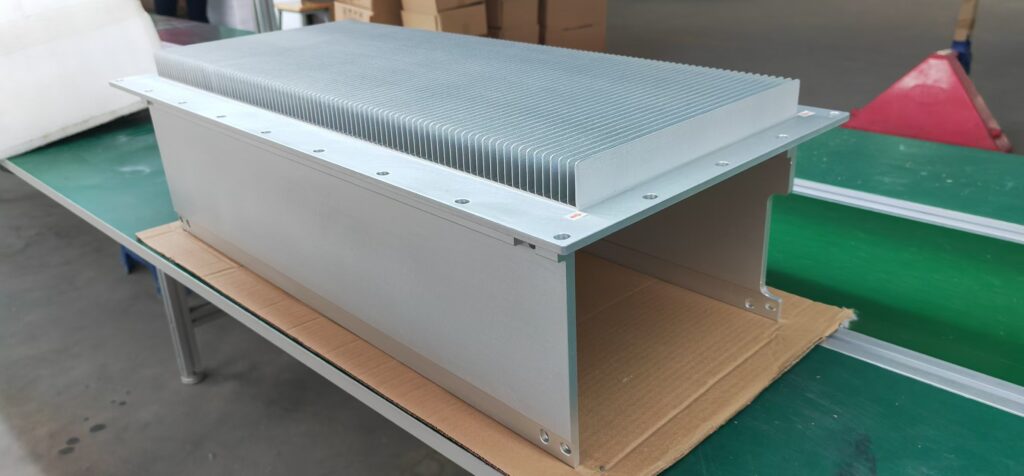
Larger surface areas enhance thermal exchange, crucial for heat sinks. CNC machining excels in creating multifaceted structures, such as fins and pegs, boosting this exchange. These structures increase airflow interaction, efficiently carrying heat away from the source. With CNC, variations like pin fin or extruded fin designs are not just practical but optimized for superior performance.
Overcoming Design Limitations
Traditionally, some designs were impractical due to manufacturing constraints. CNC machining has revolutionized this by allowing newer geometries that wouldn't be possible otherwise. With software-driven precision, CNC tackles these limitations, crafting designs that are both innovative and functional. As a result, designers push boundaries and explore advanced cooling solutions.
Conclusion
CNC machining revolutionizes heat sink production, offering precision and flexibility essential for modern electronic designs, ensuring effective thermal management in high-power PCBs.