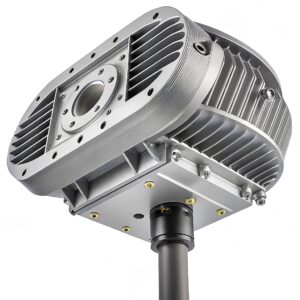
When CCTV cameras work, they generate heat, potentially leading to damage if not properly managed.
A CCTV camera typically needs an aluminum heat sink. Aluminum is ideal because it efficiently dissipates heat, keeping temperature under control and protecting the camera’s electronics from overheating.
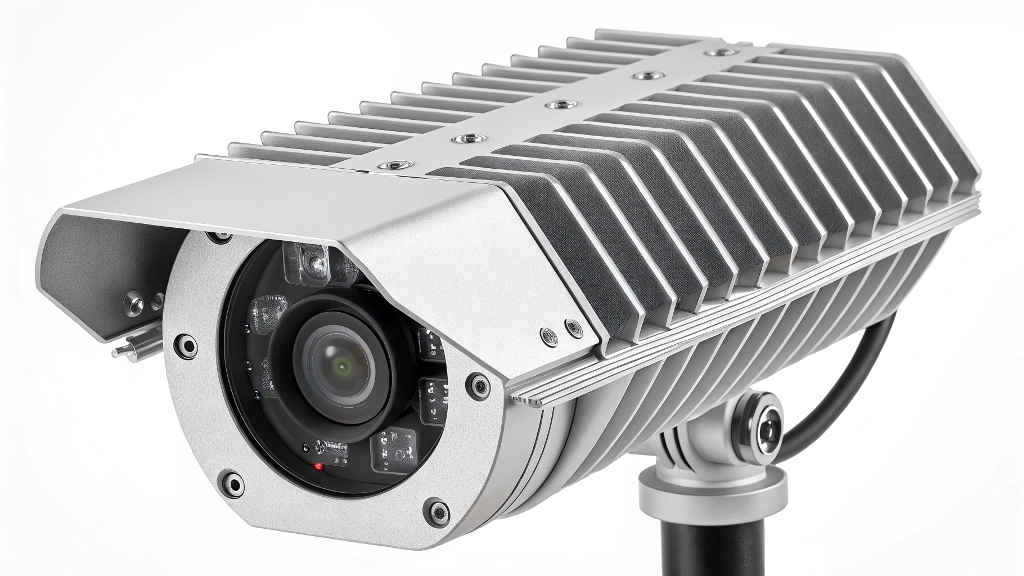
Preventing overheating ensures your camera operates smoothly. Read on to learn about why heat sinks are crucial for security cameras.
Does a CCTV Camera Need A Heat Sink?
CCTV cameras, like many electronic devices, create heat during operation, posing risks if not effectively managed.
Yes, CCTV cameras do need heat sinks to disperse the heat produced. Proper heat management avoids performance issues and extends the lifespan of your camera systems.
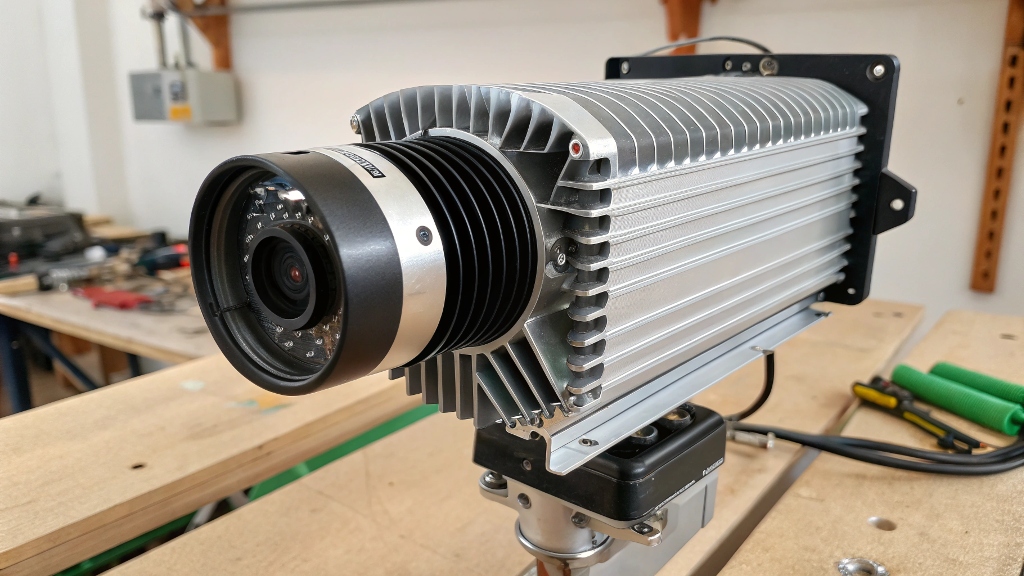
Choosing the right heat sink involves considering its material, size, and design, all of which affect its ability to regulate temperature. Aluminum stands out due to its excellent thermal conductivity and cost-effectiveness, making it a common choice. The size of the heat sink should be appropriate for the camera’s heat production level, ensuring effective cooling. Design is also crucial; fin arrangements can increase surface area for better heat dissipation. Understanding these aspects helps in selecting an optimal heat sink for efficient cooling.
Why Does A CCTV Camera Need A Heat Sink?
Overheating can lead to malfunctioning and even permanent damage to your CCTV camera system.
CCTV cameras need heat sinks to prevent overheating, which can safeguard the camera’s functionality and avoid costly repairs or replacements.
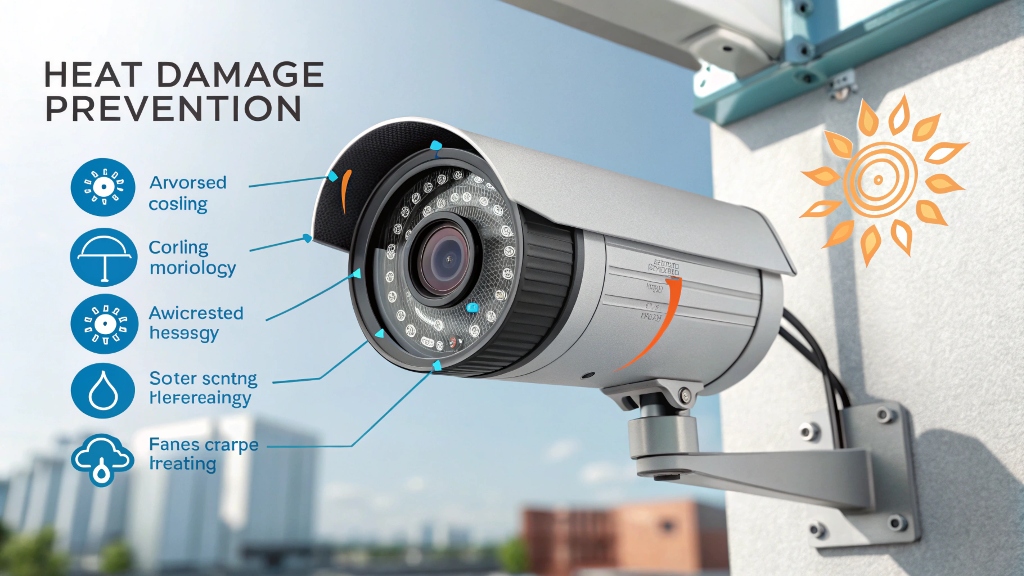
Heat sinks perform the critical function of transferring heat away from sensitive electronic components. Without adequate heat dissipation, components may fail prematurely. By maintaining temperature within operational limits, heat sinks ensure consistent performance and reliability. Furthermore, effective management reduces thermal stress, preserving the camera’s lifespan and ensuring smooth operation in various environments. This is why selecting an appropriate heat sink is vital.
Does heat affect security cameras?
Without proper cooling, heat can degrade quality and reliability, posing risks to functionality.
Yes, heat significantly affects security cameras by potentially causing hardware failures, decreased image quality, and shortened device life.
Security cameras need to operate reliably under various conditions. Excessive heat compromises this reliability and can result in distorted images or reduced accuracy. Electronic components are particularly vulnerable to high temperatures, which can lead to increased error rates and permanent damage. Proper heat management ensures optimal operation by mitigating these risks. In environments with fluctuating temperatures, robust cooling solutions are essential. Regular maintenance checks and using high-quality heat sinks can greatly improve the camera’s performance and longevity.
Conclusion
Selecting the right heat sink is crucial to ensure CCTV cameras perform reliably and last longer by effectively managing heat.