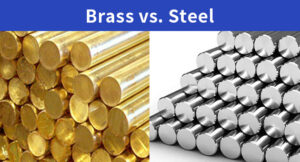

Are you tired of plastic components failing under pressure? Many have faced the limitations of plastic in demanding scenarios.
Metal CNC parts offer superior strength, precision, and durability, crucial for high-stress applications in industries like automotive, aerospace, and electronics.
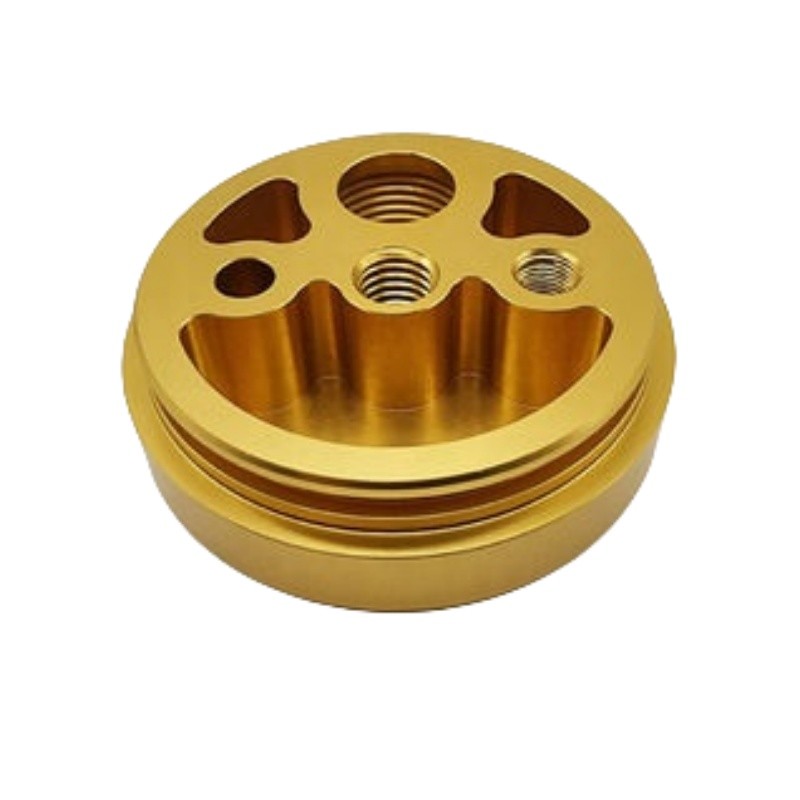
Plastic components often buckle under extreme loads, leaving you frustrated. Let's explore how metal CNC parts can solve this problem.
Why Choose Metal CNC Parts Over Plastic?
Have you ever felt let down by plastic's limitations in tough conditions? Discover why metal CNC parts are the better option for these applications.
Metal CNC parts are better suited for high-stress environments because they offer greater strength, durability, and precision compared to plastic components, reducing the risk of failure and downtime.
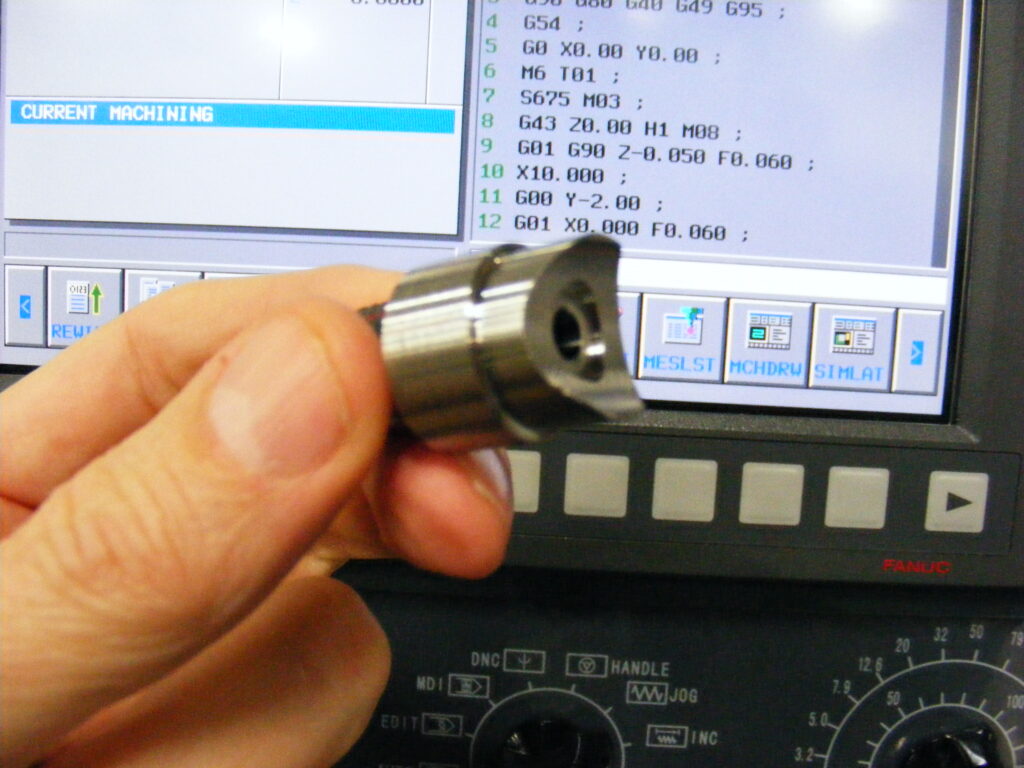
When evaluating materials for demanding applications, metal CNC parts stand out due to their mechanical properties. Unlike plastic, which may deform or crack under pressure, metal components can withstand higher temperatures and mechanical stress. Engineers appreciate this resilience, which ensures reliable performance over time. Metal’s thermal conductivity also aids in better heat dissipation—a crucial factor in electronic component design. Consider the density, tensile strength, and resistance of metal versus plastic:
| Property | Metal | Plastic |
|---|---|---|
| Density | High | Low |
| Tensile Strength | High | Low-medium |
| Heat Resistance | High | Low |
| Electrical Conductivity | High | Low |
This table highlights why metal CNC parts are often chosen for demanding industrial applications.
Are Metal CNC Parts Cost-Effective?
Cost constraints can be a concern. How do metal CNC parts fit into tight budgets compared to plastic alternatives?
Metal CNC parts, despite their upfront costs, offer long-term savings due to reduced maintenance and replacements, making them a cost-effective choice for high-stress applications.
Selecting materials for high-stress environments often involves balancing performance with cost. Though initially more expensive, metal CNC parts are more cost-effective in the long run. Their durability means fewer replacements and less downtime, enhancing productivity and lowering operational costs. While plastics may seem cheaper, their shorter lifespan often leads to frequent replacements, adding to long-term expenses. Additionally, metal's robustness can prevent costly repairs associated with plastic failures. For industries where precision and reliability are non-negotiable, investing in metal pays off over time.
How Do Custom Metal CNC Parts Enhance Design Flexibility?
Do limitations in design stifle creativity and innovation in your projects? Here's how customization can liberate your product development.
Custom metal CNC parts allow precise and flexible designs, enabling engineers to create intricate, reliable components suited to specific high-stress applications.
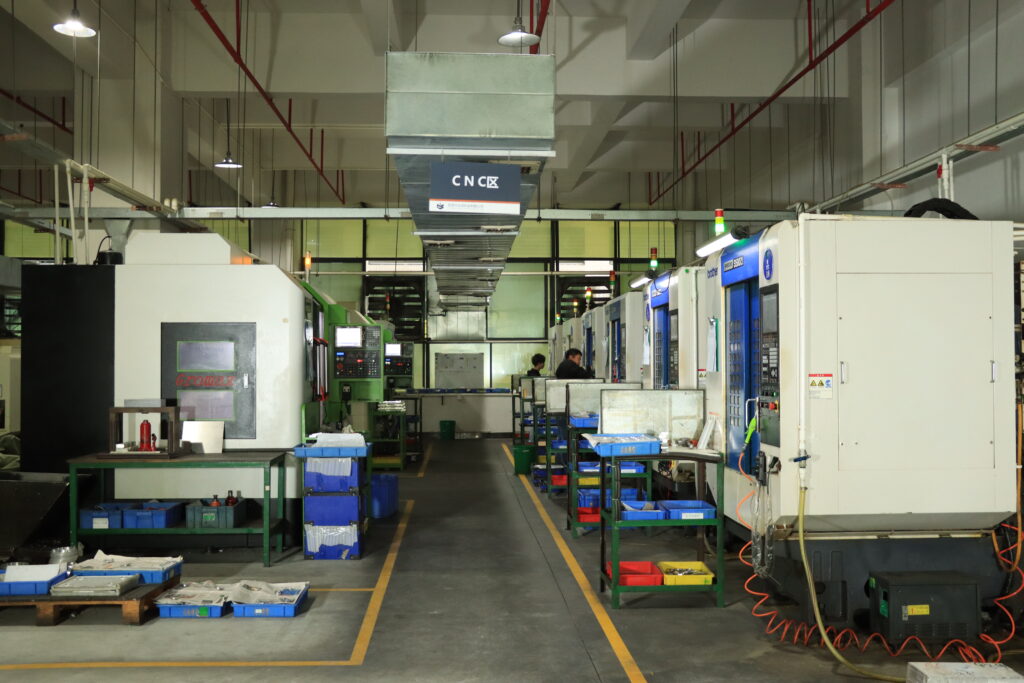
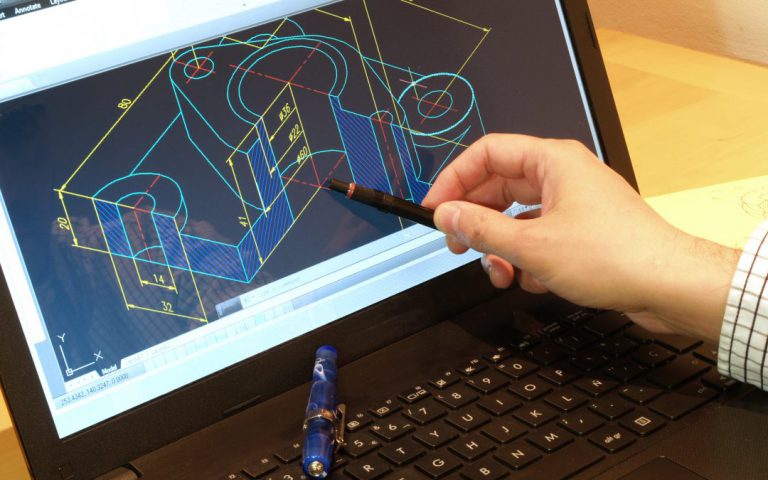
When developing products for challenging environments, customization is vital. Metal CNC machining provides unparalleled design flexibility. Engineers can craft intricate shapes without compromising structural integrity, tailoring components to exact specifications. This ensures products meet both functional and aesthetic requirements. Metal's ability to accommodate complex geometries enhances versatility—a key benefit in fields demanding precision. Customization also plays a crucial role in efficient product development cycles. By harnessing CNC technology, intricate designs come to life, granting engineers the freedom to innovate.
What Are the Environmental Impacts of Choosing Metal CNC Parts?
Concerned about the environmental repercussions of using metal over plastic?
Metal CNC parts are more eco-friendly than plastic components due to recyclability and reduced waste in production processes.
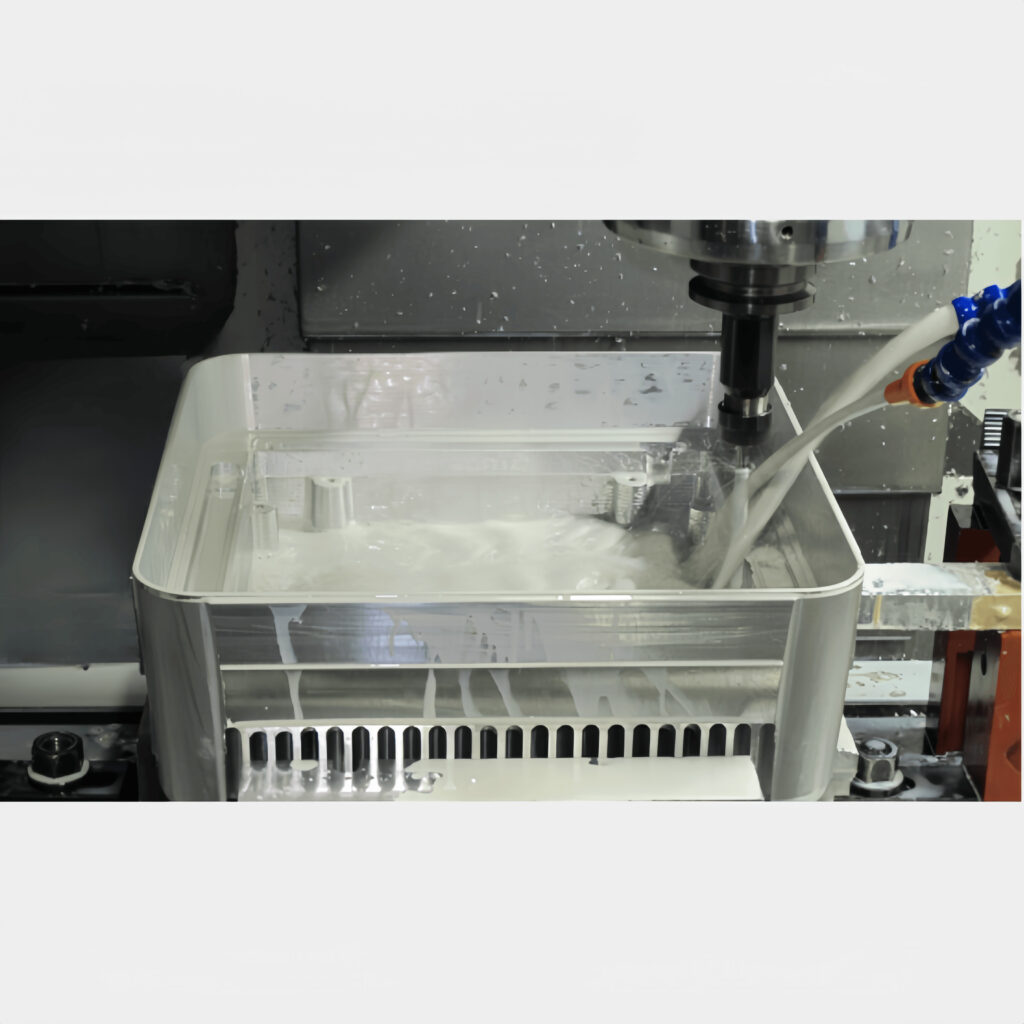
Sustainability in manufacturing is becoming a priority. Metal CNC parts offer significant environmental benefits. Unlike plastic, which can contribute to landfill waste, metals are highly recyclable. This reduces the ecological footprint of manufacturing processes. Furthermore, metal CNC machining minimizes material waste due to precise cutting and forming techniques. The longevity of metal components also translates to less frequent replacements, lessening resource consumption over time. Investing in metal not only supports performance and durability but aligns with eco-conscious practices, essential for future-focused engineering.
Conclusion
Metal CNC parts provide strength, durability, and customization in high-stress applications, addressing the limitations of plastic components.