
Electronics need precision and durability, but achieving these qualities in housings isn't straightforward. Errors can lead to costly failures. CNC machining offers a solution that ensures reliability.
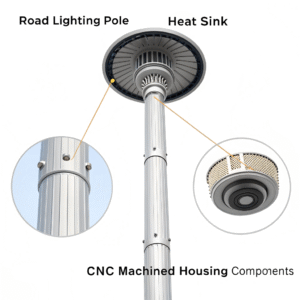
CNC machining provides precise and repeatable production for electronics housings, enhancing durability and performance. It allows for complex shapes and intricate designs that meet exacting standards.
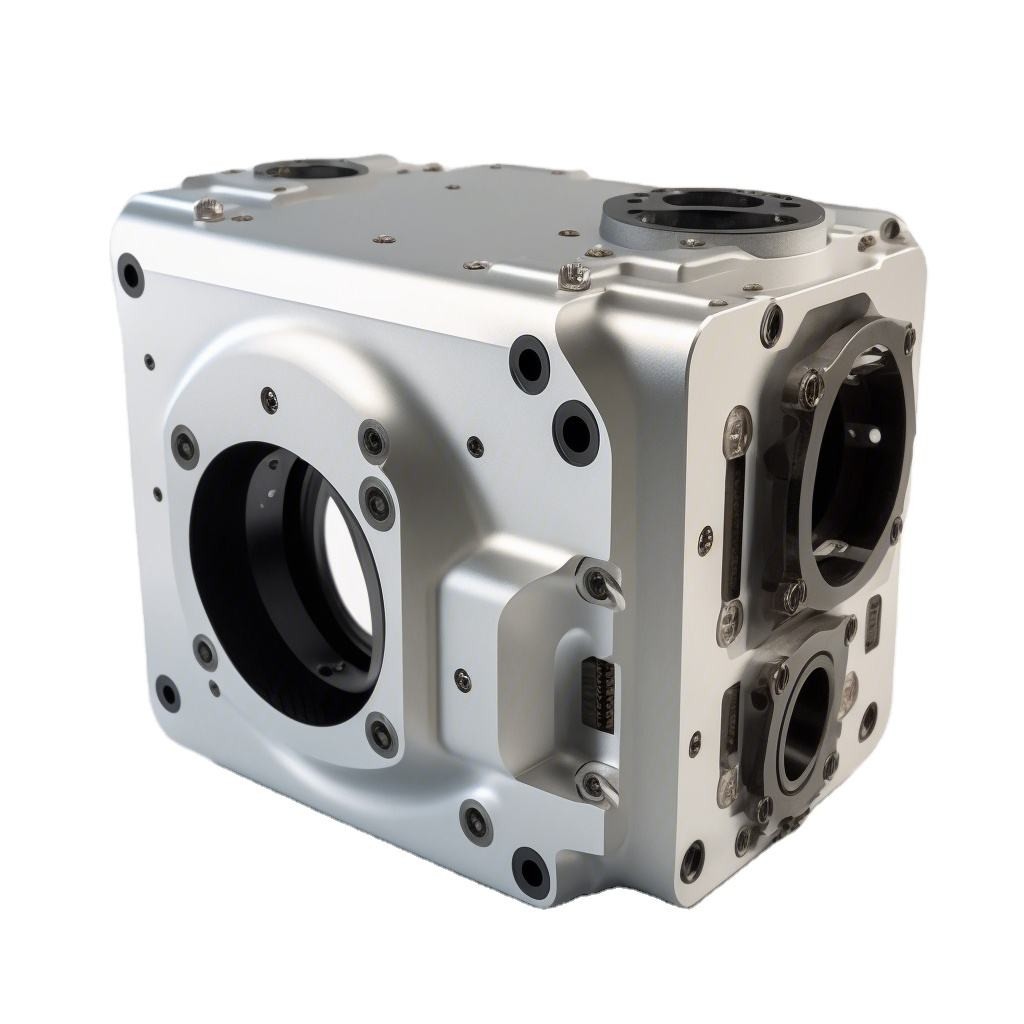
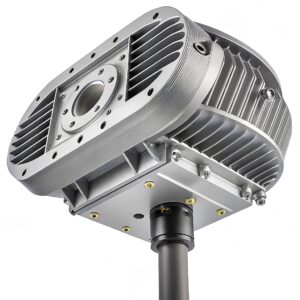
Modern electronics demand housings that can withstand heat, vibrations, and wear, which means standard manufacturing methods often fall short. CNC machining fills this gap by providing exact control over the manufacturing process.
What Makes CNC Machining Unique for Electronics Housings?
Achieving quality, performance, and working within budget constraints are constant challenges. Traditional methods often compromise precision. CNC machining offers a perfect balance.
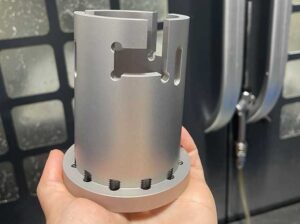
CNC machining is distinguished by its ability to produce complex geometries with high precision. This ensures housings can meet stringent specifications required for high-performance electronics.
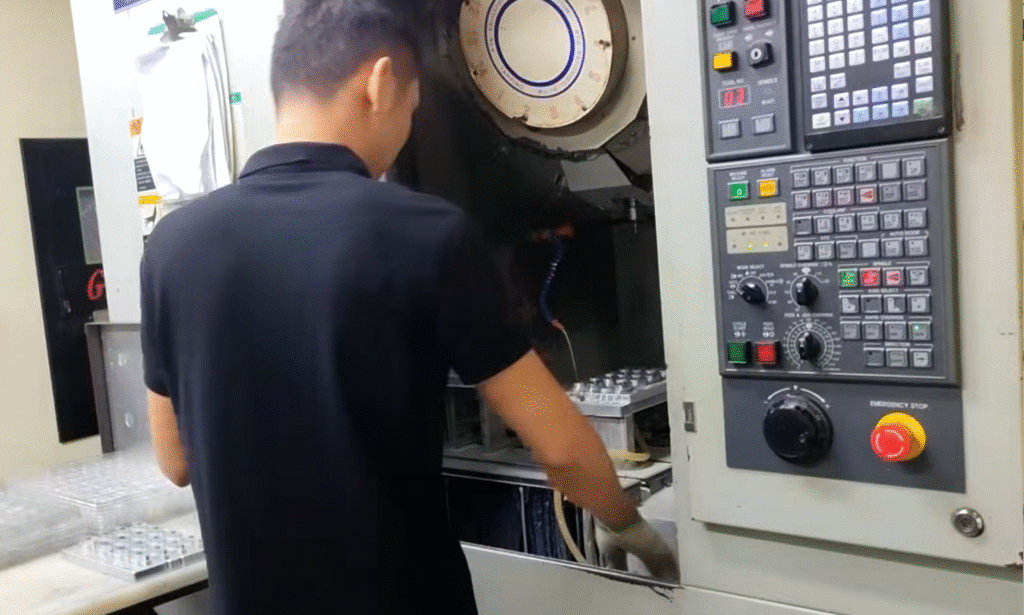
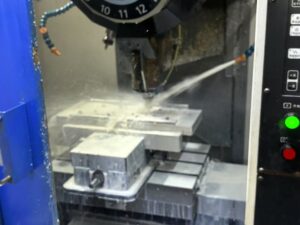
Diving deeper into CNC machining, we find it excels in adaptability. It automates the fabrication process using computer control, allowing us to create parts with exact measurements. Unlike manual methods, this automation reduces human error and enhances consistency. The setup provides flexibility to alter designs without massive retooling, making it ideal for prototyping and production runs. Errors reduce significantly as machines follow programmed paths precisely, crafting parts that fit together smoothly. This consistency contributes to the longevity and reliability of electronic devices, crucial for their functioning over time.
How Does CNC Machining Increase Efficiency?
Deadlines and cost pressures often challenge the manufacturing process. CNC machining offers solutions that improve speed and reduce waste.
By automating production with computer-programmed tools, CNC machining increases efficiency and minimizes material waste. These improvements help meet tight deadlines and reduce costs.
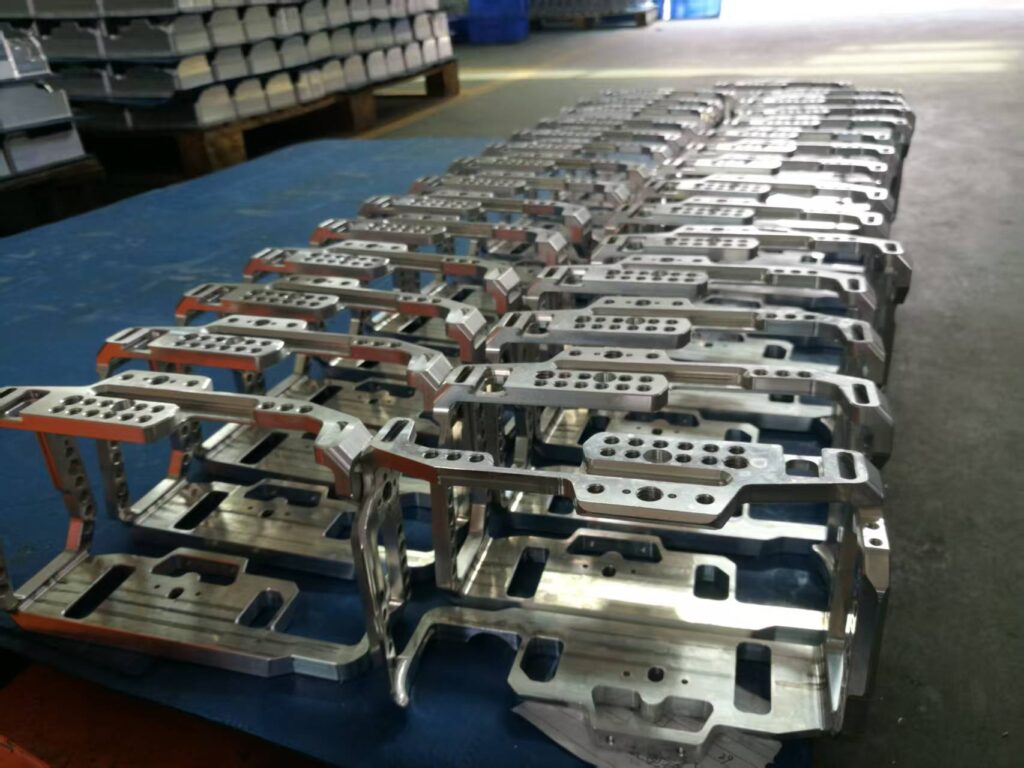
CNC machining boosts efficiency by minimizing human oversight. The automation aspect means machines execute repetitive tasks rapidly, consistently, and accurately. This speed doesn't sacrifice quality, as programming ensures each cut aligns with design specifications. CNC machining reduces waste, because machines optimize material usage by calculating and following precise cutting paths, minimizing excess. It provides scalability, allowing quick adjustments with software updates, ideal when projects require rapid changes. As efficiency rises, so does the capability to meet high-volume demands without compromising standards. This makes CNC vital for staying competitive in fast-paced industries.
Why is CNC Machining Essential for Innovation in Electronics Design?
High-performance electronics demand innovative designs. CNC's capabilities allow creators to push boundaries safely.
CNC machining supports innovative designs by enabling the creation of intricate shapes and features that traditional methods can't achieve, fostering advancements in electronics technology.
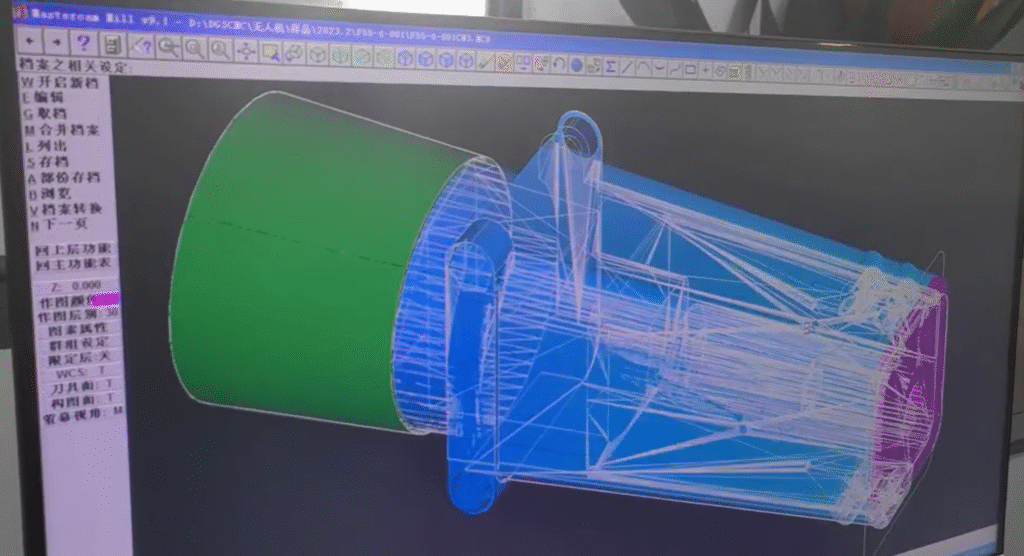
Exploration into CNC machining reveals its role in innovation. With computer control, we manipulate tools to achieve shapes impossible with manual methods. This capability allows designers to explore new forms, optimizing space within housings and accommodating complex electronic structures. Prototyping benefits from CNC's precision, allowing rapid testing and refinement of ideas. As technology evolves, housings must support new design complexities and improved functionalities without sacrificing sturdiness. CNC machining facilitates the transition by providing tools to execute intricate designs while ensuring durability and reliability. This capability encourages creativity, pushing the boundaries of what's possible in electronics design.
Conclusion
CNC machining transforms electronics housing production, boosting precision and efficiency while enabling innovative designs.