...

# Why Does A Projector Need CNC Metal Parts?

November 5, 2025

Projectors are more than just bright lights and lenses. They rely on precision-engineered components. Let's explore why metal parts manufactured through CNC processes are crucial for projectors.
To deliver high-quality visuals, projectors require precise components such as heat sinks, chassis, and lens mounts. CNC machining ensures these parts maintain the necessary tolerances for optimal performance.
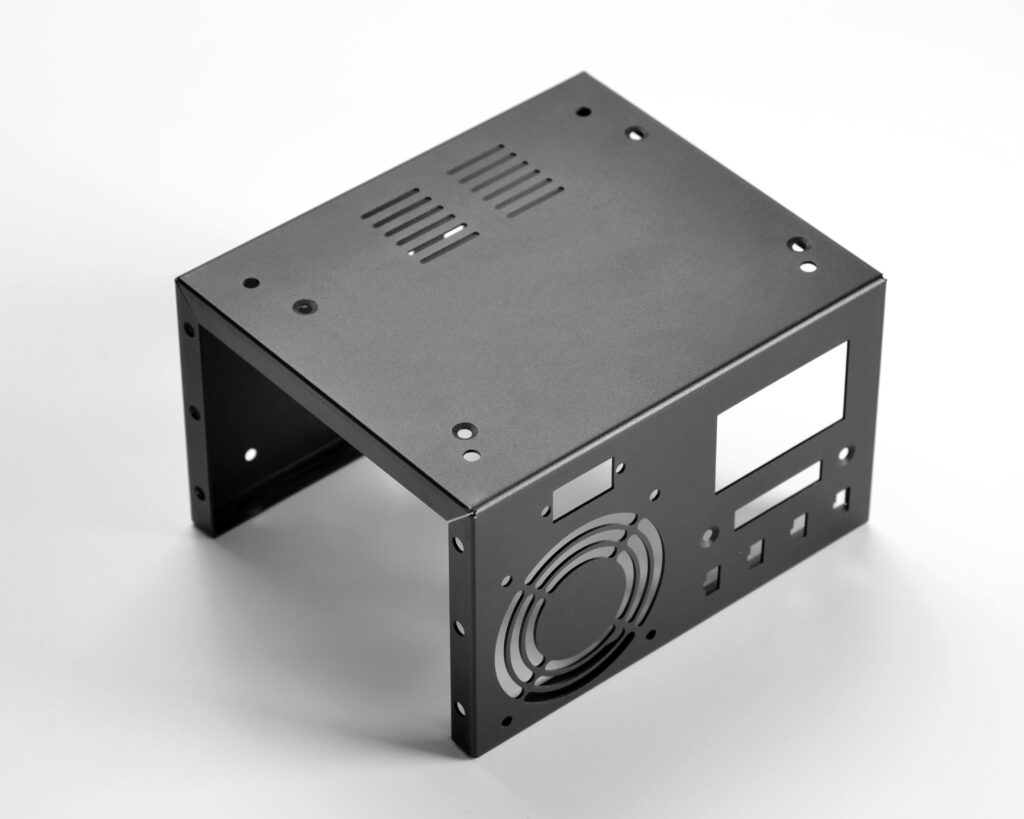
Projector Parts

Metal parts in projectors provide the structural integrity and heat management needed for reliable operation and image quality. Without them, performance would diminish rapidly.

What Are The Parts Of A Projector?

Understanding a projector’s internal anatomy can seem complex. From the outside, projectors project images, but inside, many components work together seamlessly.
A projector includes lenses, light sources, mirrors, color wheels, and electronic circuits. CNC metal parts such as heat sinks and casings are crucial in supporting these components for efficient functioning.
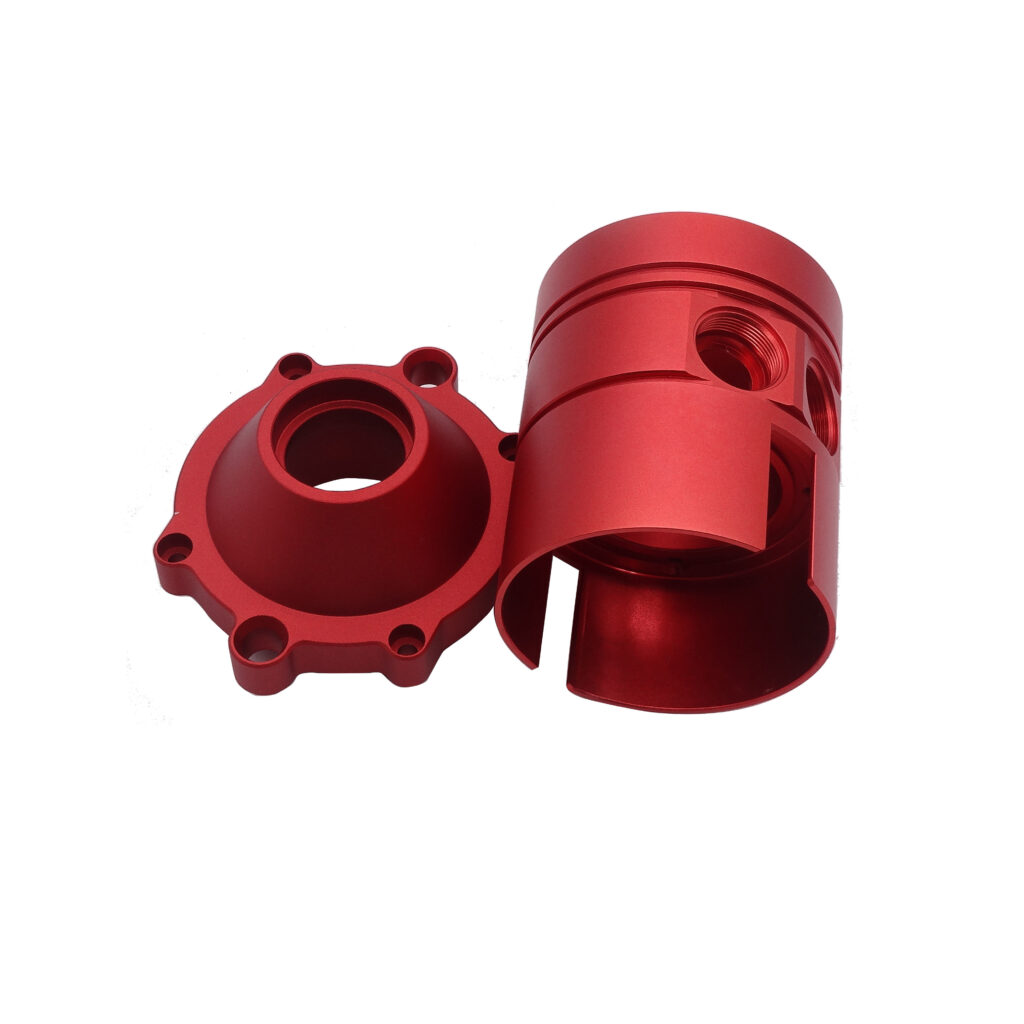
Projector Anatomy

CNC metal parts form the backbone of various projector elements. Lens mounts maintain optical alignment. Heat sinks dissipate excess heat. The metal casing secures and protects sensitive components from external damage, ensuring longevity of the device.

Projector Part CNC Metal Component Function
Lens Mount CNC Bracket Keeps lenses stable and precise
Heat Sink CNC Cut Metal Manages heat dissipation
Casings/Chassis CNC Metal Frame Provides structural integrity and safety

What Is Required For A Projector?

Creating an effective projector involves multiple critical factors. Developing the right design requires attention to detail and specific materials.
A projector needs a high-quality light source, precise optics, advanced cooling systems, and durable housing. CNC machining offers the accuracy required in crafting these metal components to ensure these systems work efficiently.
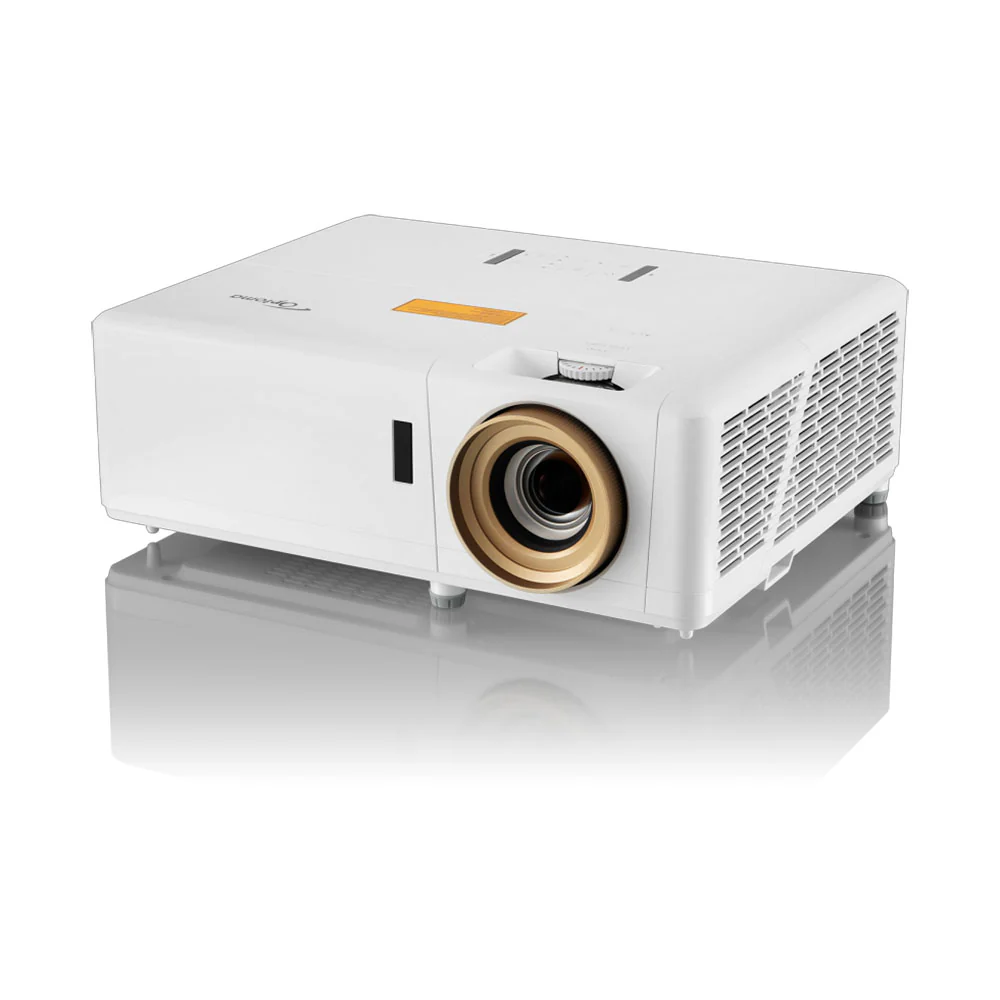
Projector Requirements

When designing a projector, selecting CNC machined metal parts ensures each element is manufactured to exact specifications. This includes chassis strength and thermal management systems, which are necessary for performance stability.

How To Control The Quality of Projector CNC Components?

Ensuring high-quality CNC components involves a meticulous approach. Look beyond design to finish and install the parts impeccably.
Quality control in CNC components involves precision measurements, testing, and inspections throughout the production process. Adherence to strict specifications makes sure all parts meet projector requirements.
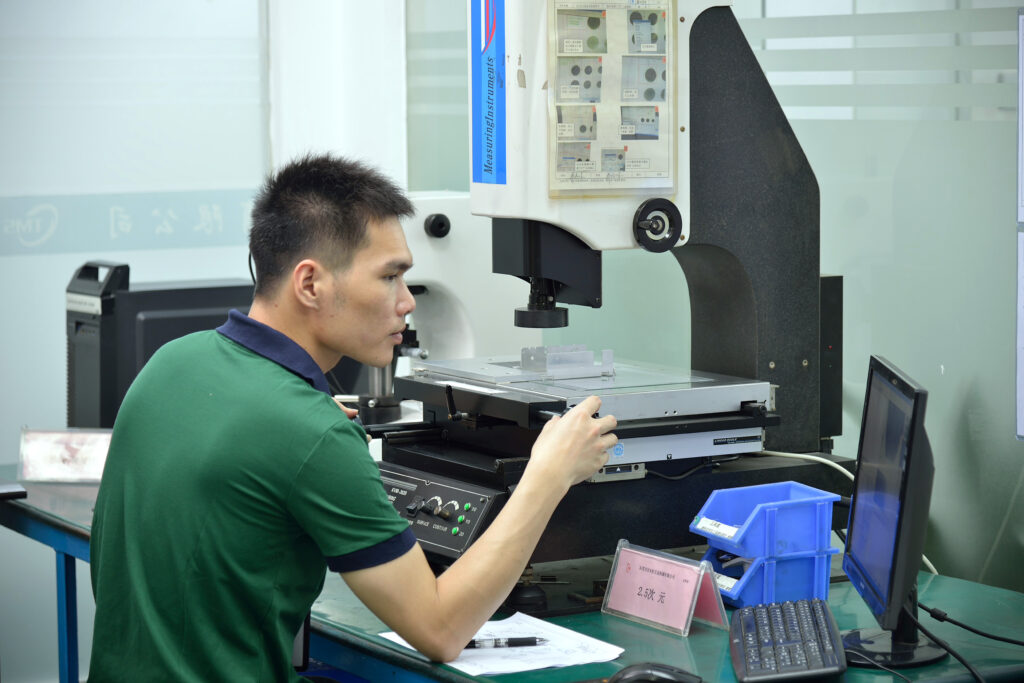
Quality Control

Effective quality control involves using advanced software for design, automated inspections for precision verification, regular equipment calibration, and skilled technicians who understand the importance of perfection in every piece. Maintaining stringent standards ensures components perform to expectations without fail.

What Are The Challenges to Build Projector CNC Metal Parts?

Creating precision CNC components for projectors isn't without its hurdles. From design complexities to meeting strict tolerances, challenges abound.
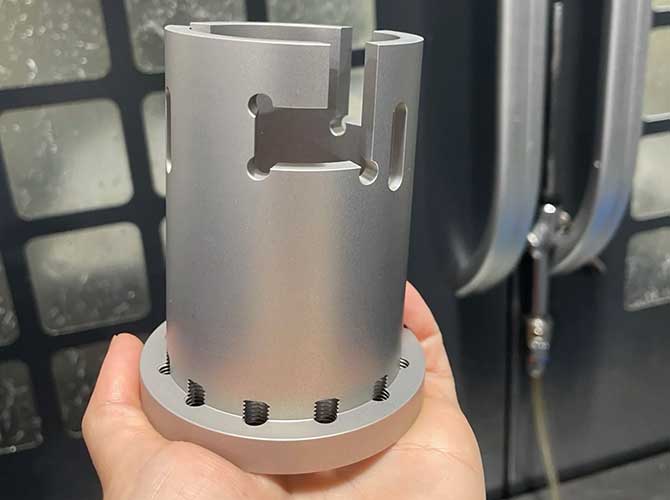
Challenges include maintaining accuracy in high-volume production and addressing heat management concerns. Additionally, CNC machining for projectors requires precision handling of delicate materials.
CNC Challenges

Building CNC metal parts for projectors involves navigating the balance between cost efficiency and quality, refining manufacturing techniques, and developing effective solutions for heat dissipation without compromising structural integrity. Collaboration between designers and engineers is essential to meet these challenges and deliver superior parts.

Conclusion

Precision CNC metal parts are essential in projectors for structural support, heat management, and optical stability. They play a vital role in ensuring devices operate efficiently and effectively.

You may also be interested in:

Sustainable Lighting: CNC's Role in Reducing Material Waste

Sustainable Lighting: CNC's Role in Reducing Material Waste

CNC machining is revolutionizing lighting manufacturing, but how does it contribute to sustainability? Discover the practices that could reshape our approach to eco-friendly production. CNC machines achieve sustainability by optimizing

How Precision Machining Reduces Heat Distortion in High-Power Lamps?

How Precision Machining Reduces Heat Distortion in High-Power Lamps?

Precision machining is crucial in addressing the common issue of heat distortion in high-power lamps. Heat distortion can lead to inefficient performance and potential failure of the product. Precision machining

# How Can Corrosion-Resistant CNC Components Improve Marine and Outdoor Lighting?

# How Can Corrosion-Resistant CNC Components Improve Marine and Outdoor Lighting?

Rust and corrosion can wreak havoc on marine and outdoor lighting setups, leading to costly repairs and replacements. The use of corrosion-resistant CNC components can significantly extend the life of

From Chandeliers to Desk Lamps: How Versatile is CNC in Lighting Production?

From Chandeliers to Desk Lamps: How Versatile is CNC in Lighting Production?

Lighting design can seem complex. Whether it's the elegance of chandeliers or the functionality of desk lamps, CNC machining is revolutionizing production processes by adding precision and speed. CNC is

Placeholder

The Impact of Tolerances in CNC Machined Parts on Lighting Assembly?

Tolerances in CNC machining can make or break your lighting assembly. Precision is everything, but it’s often overlooked. Understanding CNC machined tolerances is crucial for ensuring your lighting assembly functions

How Can Precision-Engineered Lamp Housing Maximize Energy Efficiency?

How Can Precision-Engineered Lamp Housing Maximize Energy Efficiency?

Reducing energy waste is a critical challenge in today's climate-conscious world. One often overlooked area is lamp housing. Precision-engineered lamp housing maximizes energy efficiency by minimizing heat loss and optimizing

Behind the Scenes: How CNC Parts Enable Smart Lighting Adjustability?

Behind the Scenes: How CNC Parts Enable Smart Lighting Adjustability?

Cutting-edge smart lighting transforms spaces, yet few realize the crucial role CNC parts play. These precision components ensure seamless adjustability, making your smart lighting experience flawless. Smart lighting adjustability hinges

CNC Brass vs. Stainless Steel: Choosing Materials for Decorative Lamps?

CNC Brass vs. Stainless Steel: Choosing Materials for Decorative Lamps?

Designing decorative lamps can be challenging when deciding between materials like CNC brass and stainless steel. These choices impact aesthetics, cost, and durability. CNC brass offers a warm, classic look

Why Lighting Manufacturers Choose CNC Aluminum for Lightweight Fixtures?

Why Lighting Manufacturers Choose CNC Aluminum for Lightweight Fixtures?

Lighting innovations spark interest and drive change. But why are manufacturers increasingly opting for CNC aluminum? Uncover the benefits and reasons behind this trend. Lighting manufacturers prefer CNC aluminum for

Minimalist Lighting Trends: The Hidden Precision of Metal Brackets?

Minimalist Lighting Trends: The Hidden Precision of Metal Brackets?

The allure of minimalist lighting lies in its elegance and functionality. But what role do metal brackets play in this trend? Metal brackets provide essential support and stability in minimalist

Daisy

Typically replies within a day

Hello, Welcome to the site. Please click below button for chatting me through Skype.

Seraphinite AcceleratorOptimized by Seraphinite Accelerator
Turns on site high speed to be attractive for people and search engines.